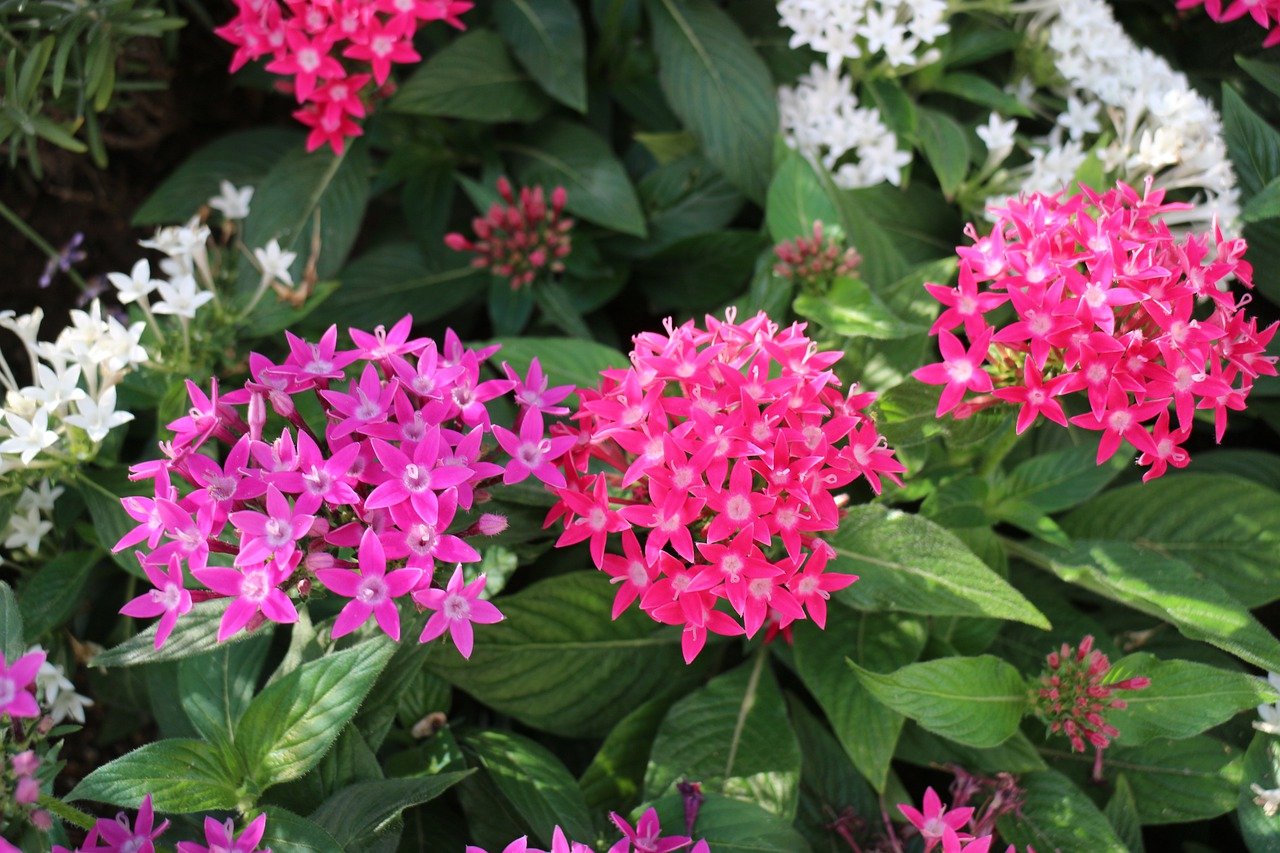
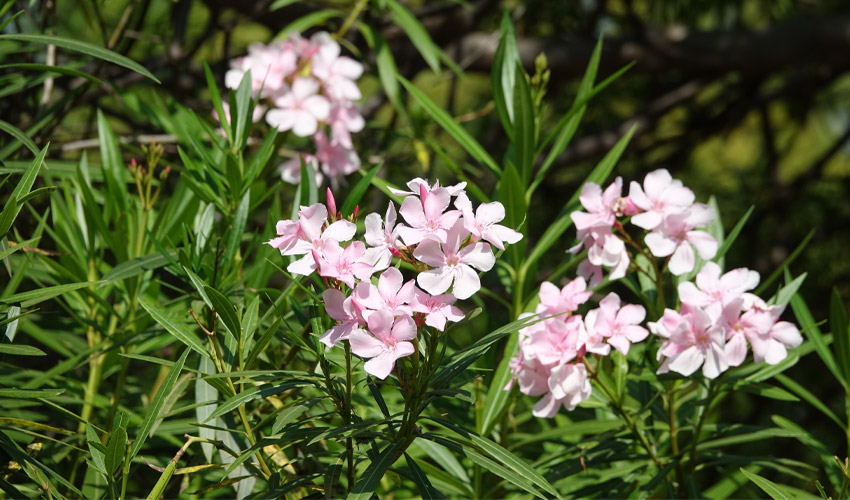
Want to brighten your garden with blooms that attract butterflies but leave deer uninterested? Say hello to phlox—your soon-to-be favorite flowering perennial. Phlox are herbaceous plants that produce clusters of delicate, often fragrant flowers during the summer months. They come in a variety of forms, from tall border perennials to low-growing creeping or alpine types, woodland species, and even annuals perfect for bedding displays.
Phlox grows on strong stems, so even the taller varieties rarely need support. They resist most pests and diseases, making them long-lasting additions to your garden. These hardy, low-maintenance plants thrive in herbaceous borders or cottage-style gardens and pair beautifully with other perennials, such as delphiniums, campanulas, and red-hot pokers. For a modern twist, plant them alongside ornamental grasses. They also make stunning cut flowers for indoor arrangements.
Ready to grow a show-stopping garden plant that thrives in both sun and partial shade? Check out these phlox growing tips to learn how to plant, care for, and enjoy phlox in your garden!
Table of Contents
ToggleAbout Phlox
Hardiness Zones:
Most perennial phlox thrive in Zones 3-9, depending on the species. Phlox drummondii, however, is an annual.
Height:
Phlox varieties range from just 6 inches to 4 feet tall, depending on the type you choose.
Flowers:
These plants produce delicate, five-petaled blossoms, often arranged in dense clusters or panicles. Many flowers have a sweet fragrance, and some cultivars feature contrasting “eye” centers for added charm.
Foliage:
While most phlox display lush green leaves, certain varieties offer variegated foliage with creamy white or yellow-edged patterns.
Bloom Time:
Phlox blooms at different times depending on the variety. They are usually classified as early-, mid-, or late-season bloomers. By planting a mix of each, you can enjoy colorful flowers from early summer through autumn.
Advantages:
- Long-lasting, with many perennials thriving in the garden for decades under the right conditions.
- Provide vibrant color during the peak of summer when other perennials start to fade.
- Attract pollinators like bees, butterflies, and hummingbirds.
- Tall varieties grow strong stems and rarely need support.
Drawbacks:
- Rabbits may nibble on them.
- While easy to grow from seed and often self-seeding, many cultivars don’t reliably produce offspring with the same color as the parent plant.
Types Of Phlox
Phlox paniculata
Other names: Garden phlox, summer phlox, tall phlox, border phlox
Size: 2–4 feet tall, 2–3 feet wide
This upright perennial forms dense clumps and thrives in Zones 4–8. Its pointed, elliptical leaves are deep green and 4–6 inches long. From July through September, it produces fragrant tubular flowers clustered tightly in panicles, adding height and color to borders.
Phlox drummondii
Other names: Annual phlox, medium phlox
Size: 1–2 feet tall and wide
A fast-growing annual, this phlox blooms from mid-spring to mid-summer. Its bright green, oblong, lance-shaped leaves reach about 3 inches long, making it perfect for bedding and container displays.
Phlox divaricata
Other names: Wild sweet William, woodland phlox
Size: 8–12 inches tall and wide
This spreading perennial flourishes in Zones 3–8. It produces loose clusters of fragrant flowers in mid-spring, while its 2-inch elliptical leaves form lush mats of foliage, ideal for woodland gardens or shaded borders.
Phlox stolonifera
Other names: Creeping phlox, moss phlox
Size: 4–6 inches tall
A low-growing perennial suited to Zones 5–9, it blooms from early to late spring. Its oblong-to-oval leaves, about 3 inches long, create a soft, ground-covering effect, perfect for slopes or rock gardens.
Phlox subulata
Other names: Creeping phlox, moss phlox
Size: 4–6 inches tall
This vigorous spreading variety produces a vibrant carpet of flowers in mid-spring. Unlike P. stolonifera, its leaves are narrow and linear, about 1 inch long. Hardy in Zones 3–9, it works beautifully as ground cover in sunny garden areas.
How To Grow Phlox
Light Requirements
Phlox blooms most abundantly in full sun, but many varieties are native to open or lightly shaded woodlands, so they tolerate partial shade—especially in hotter southern regions. Aim for roughly six hours of sunlight each day for best results.
Soil
Plant phlox in rich, well-draining soil that stays evenly moist. Boost the planting area with compost or other organic matter to boost fertility. Phlox prefers slightly alkaline soil, so if your garden soil leans acidic, a light application of lime can help keep the plants thriving.
Planting
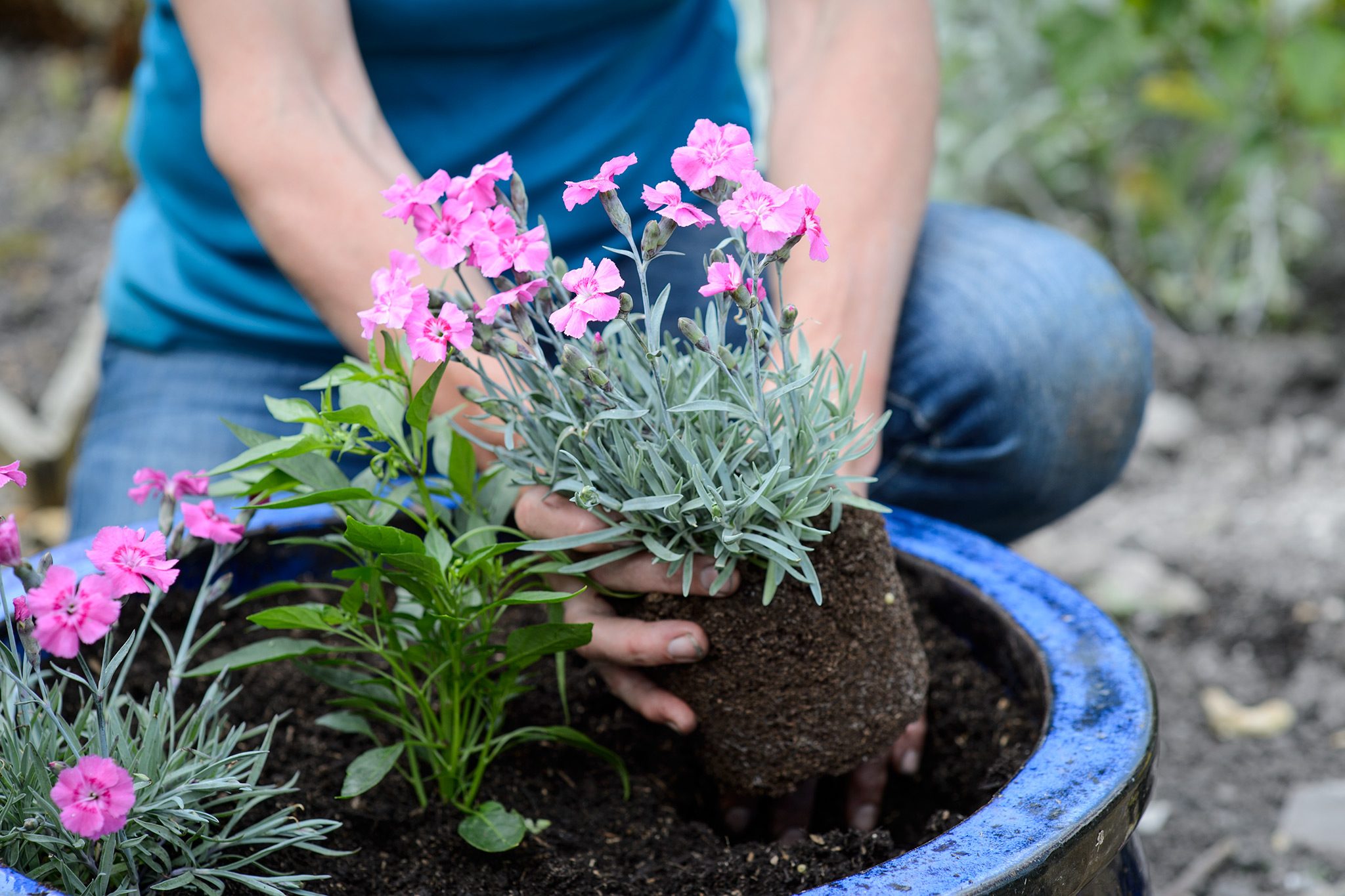
For bare-root or container-grown phlox, wait until spring after the risk of frost has passed. Space each plant 18–24 inches apart to allow proper airflow and reduce disease risk. Water well after planting, and add mulch around the roots to maintain moisture and keep the soil cool. You can also start phlox from seed indoors in late winter, then transplant seedlings once the weather warms.
Phlox Care Tips
Watering
Phlox dislikes dry conditions, so water during prolonged dry periods or whenever the leaves start to droop. Aim to provide about an inch of water per week throughout the growing season. To keep foliage healthy and reduce disease risk, water the base of the plant in the morning rather than overhead.
Pruning and Deadheading
While phlox doesn’t usually need heavy pruning, pinching or trimming one-third to one-half of the stems in early summer can encourage bushier growth and more blooms. Removing spent flowers, or deadheading, helps extend the flowering period and prevents unwanted self-seeding.
Pests and Diseases
Powdery mildew is phlox’s main foe, especially in humid climates during hot summer days. Plants in partial shade are more vulnerable. Improve airflow around your phlox by thinning them in early spring, spacing them properly at planting, and choosing mildew-resistant varieties whenever possible.
Spider mites can occasionally damage phlox, so monitor plants regularly and treat infestations promptly.
Dividing Perennial Phlox
To avoid overcrowding and promote healthy growth, divide perennial phlox every 3 to 4 years. Signs that your plants need dividing include reduced blooms and weakened or dying centers.
Winter Care
After the first hard frost, cut the stems back to just above the soil line and remove any remaining foliage, particularly if powdery mildew has affected the plant. In colder regions, spread mulch to protect the roots before the ground freezes.