How to Plant and Grow Astilbe: The Complete Guide
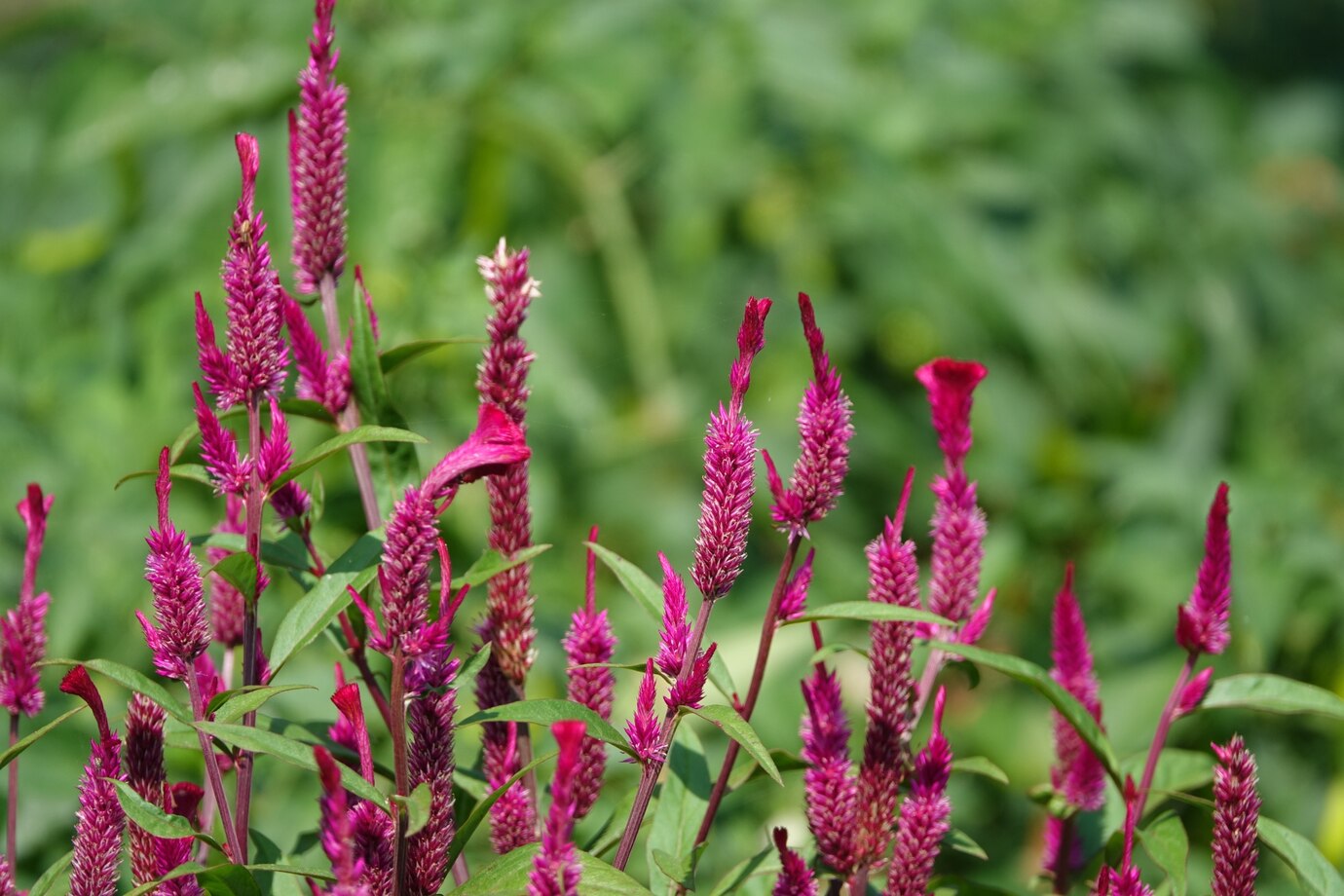
Astilbes (Astilbe spp.) are among the simplest perennial flowers to cultivate. Their fluffy, feathery blooms appear in delicate white, pink, red, and purple hues, rising


Astilbes (Astilbe spp.) are among the simplest perennial flowers to cultivate. Their fluffy, feathery blooms appear in delicate white, pink, red, and purple hues, rising
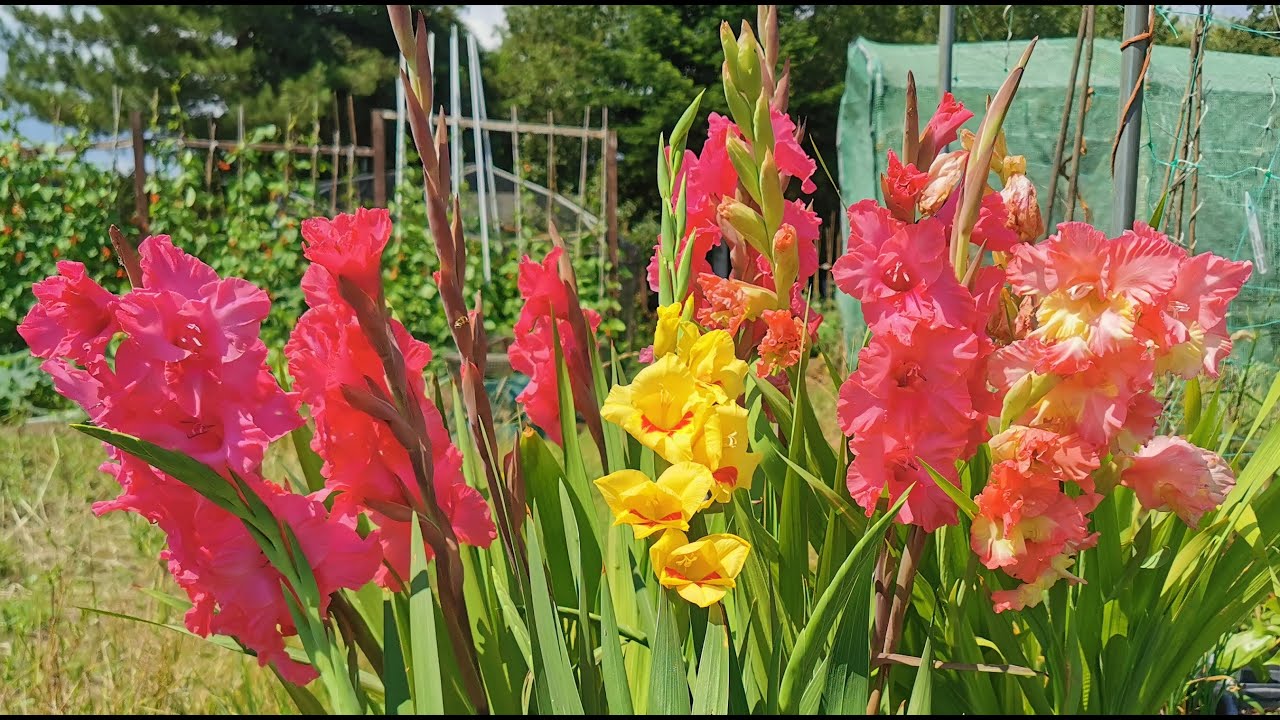
The Gladioli or Gladiolus is a timeless perennial celebrated for its towering flower spikes and vibrant, large blooms. A favorite for cut flowers, it adds
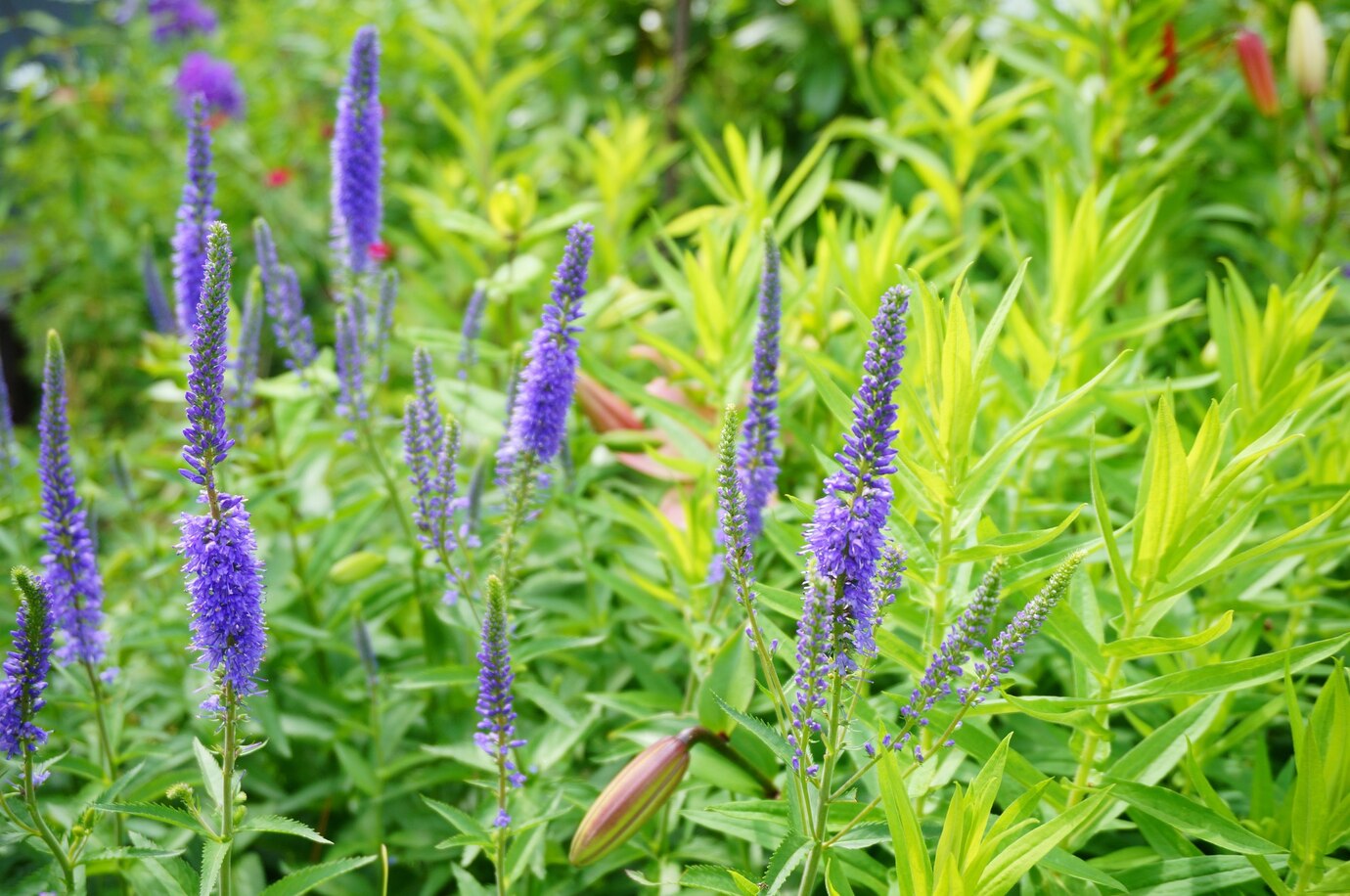
Lupins are a classic choice for garden lovers, especially those with sunny borders or a cottage-style layout. These vibrant, eye-catching blooms appear from late spring
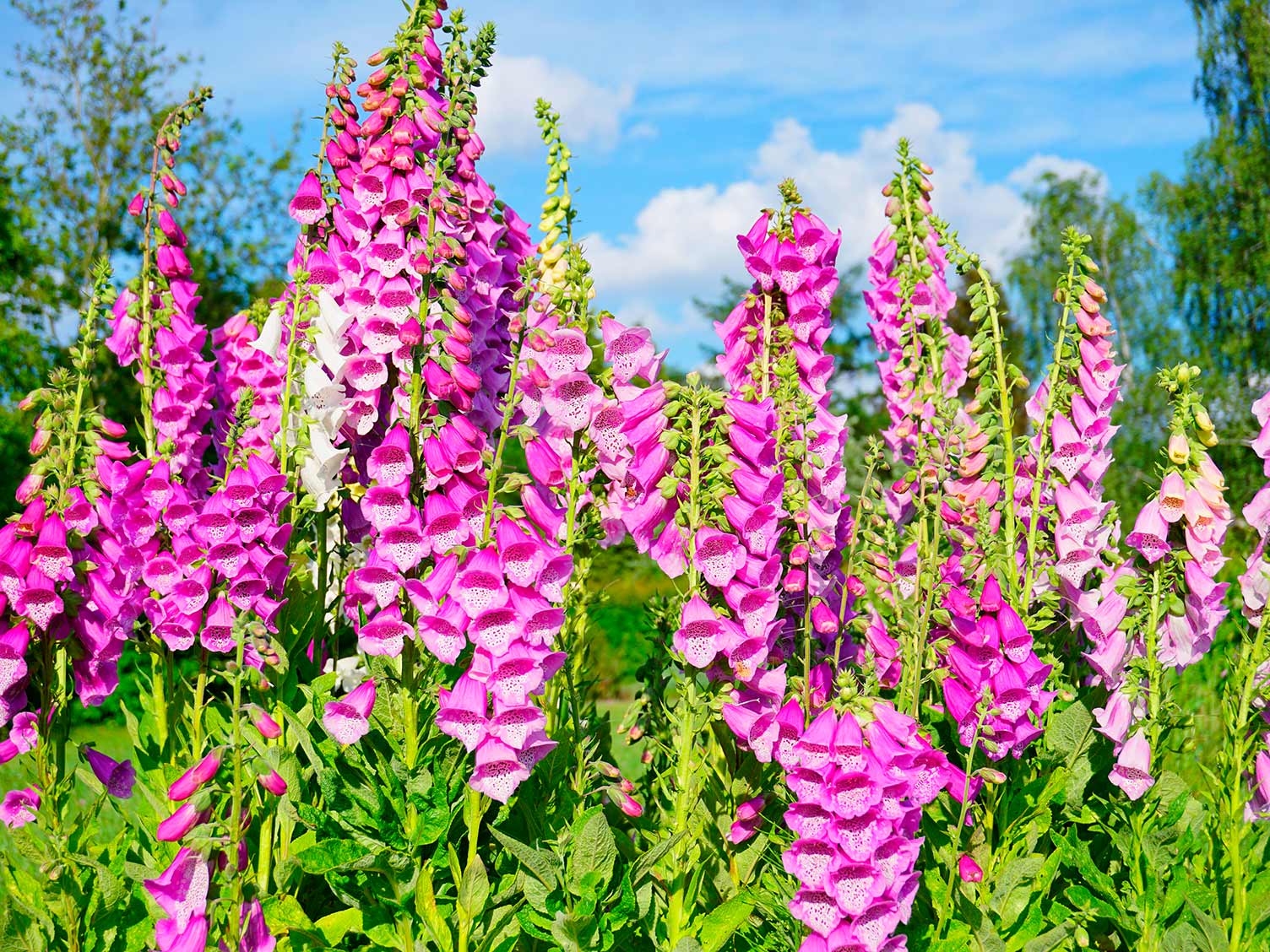
The common foxglove, Digitalis purpurea, is a familiar sight in woodlands and hedgerows. It is easily recognizable by its tall spikes of purple-pink trumpet flowers
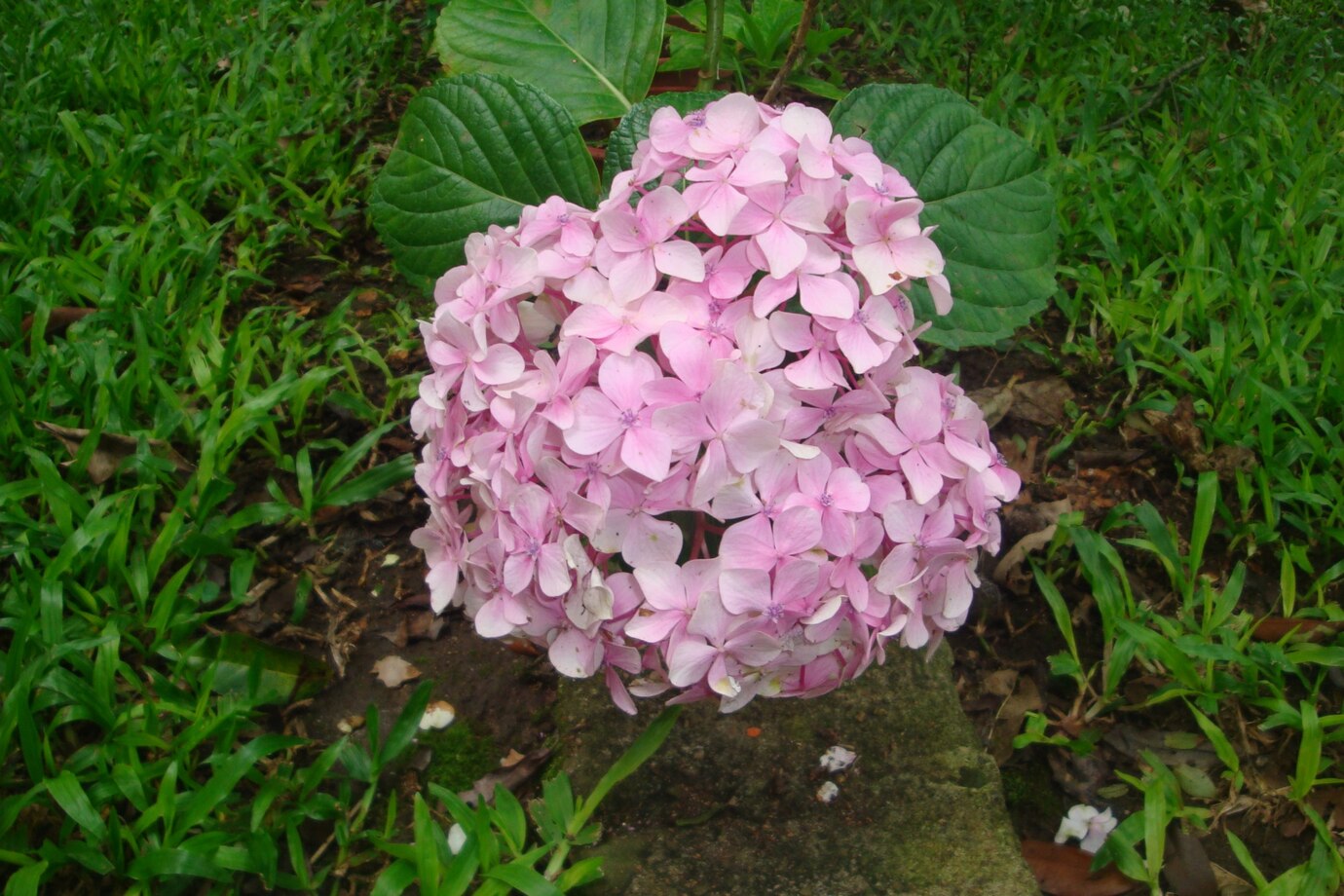
Hydrangeas are among the most popular and easy-to-grow ornamental plants for gardens or containers. Their large, mostly spherical flower heads come in various colors, including
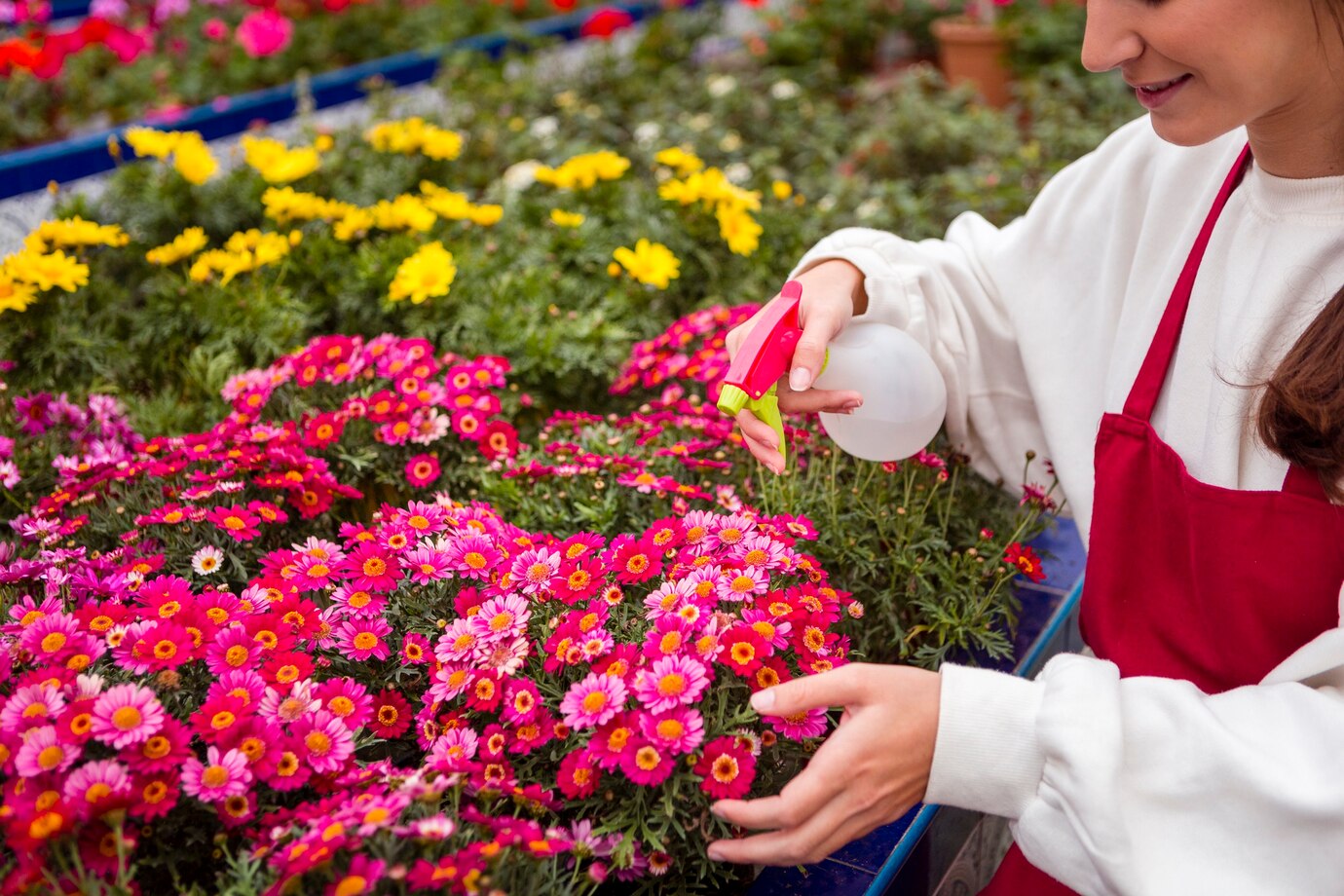
Cosmos, often called the ‘Mexican Aster,’ is an easy-care annual that blooms for an extended period. The word “Cosmos” comes from Greek, meaning beautiful, referring
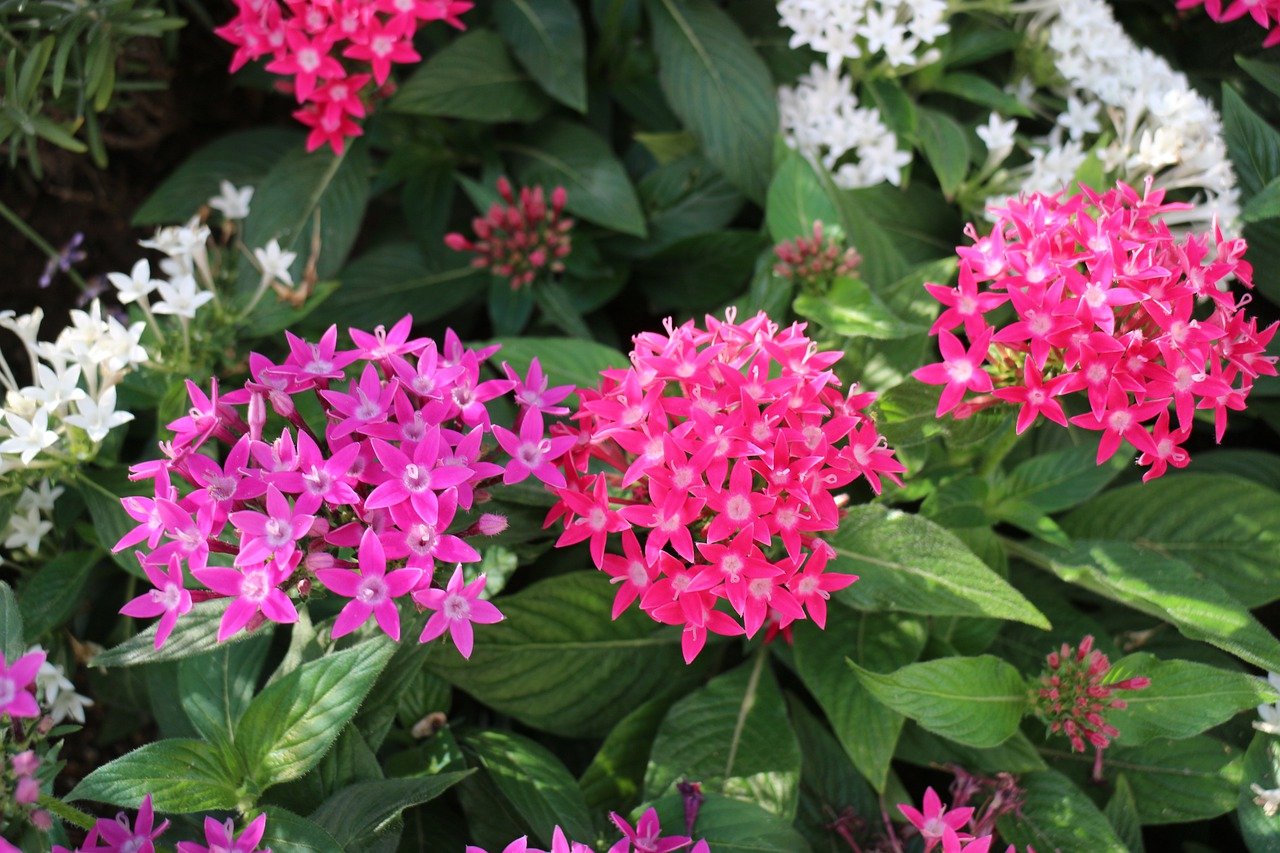
Pentas are tropical plants, also known as Egyptian Star Clusters. They flourish in warm, humid climates. Under these conditions, this perennial plant thrives year after
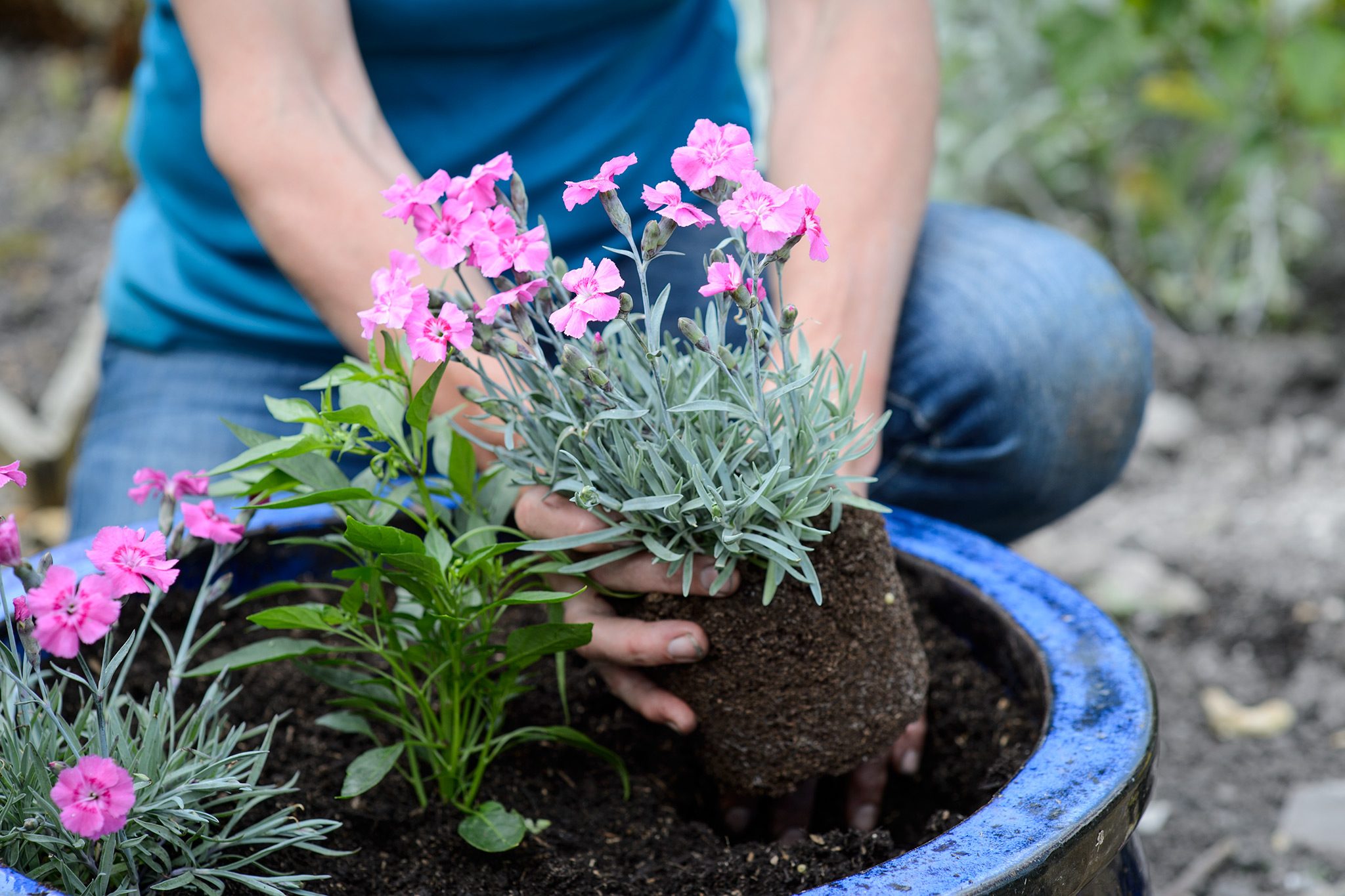
Dianthus plants, also known as “pinks” because of their fringed petal edges, come in annual, perennial, and biennial varieties. Perennial Dianthus returns year after year.
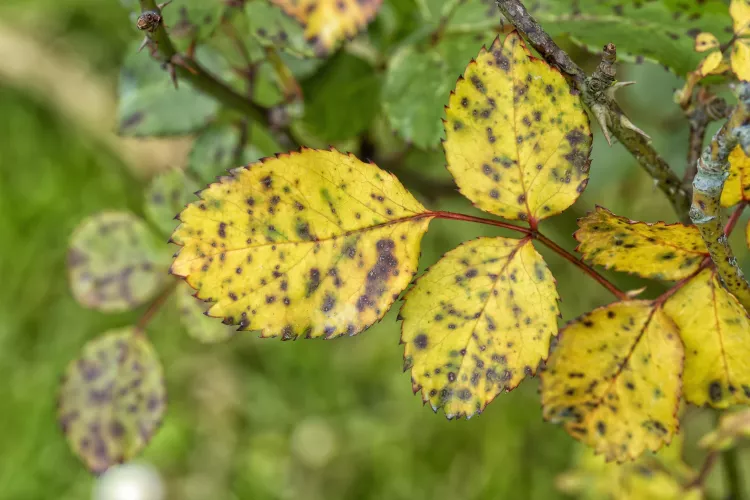
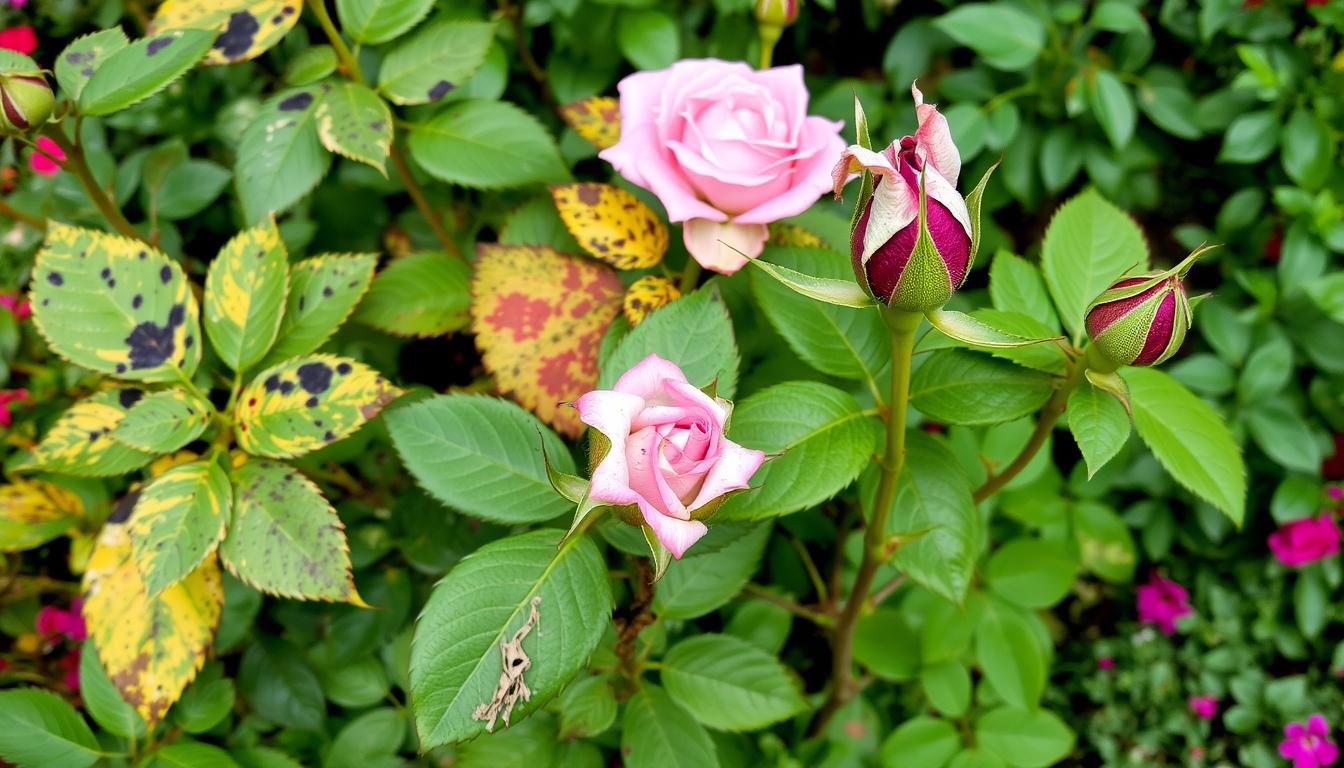
Are your rose leaves turning yellow, and are you not sure why? This can happen for several reasons, and many are easy to fix. Rose
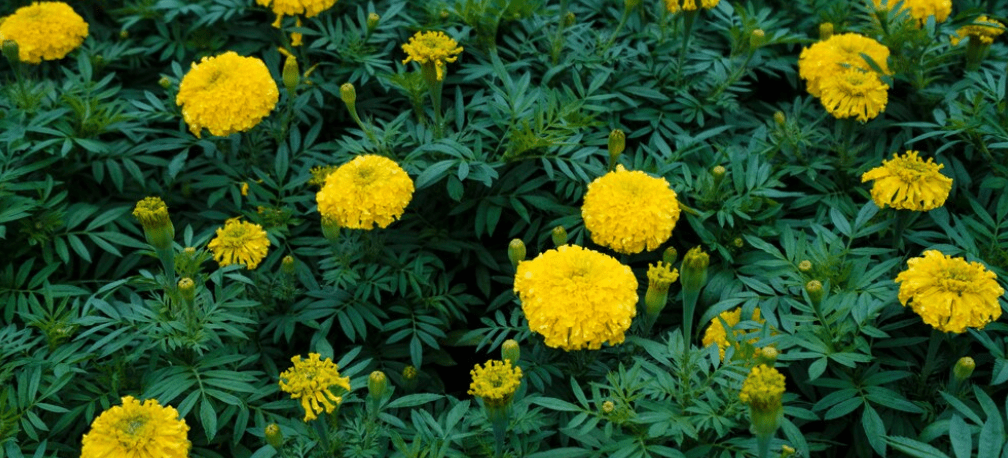
Marigolds are vibrant annual bedding plants that brighten any garden. They come in various types and sizes and offer colors like yellow, orange, red, mahogany,
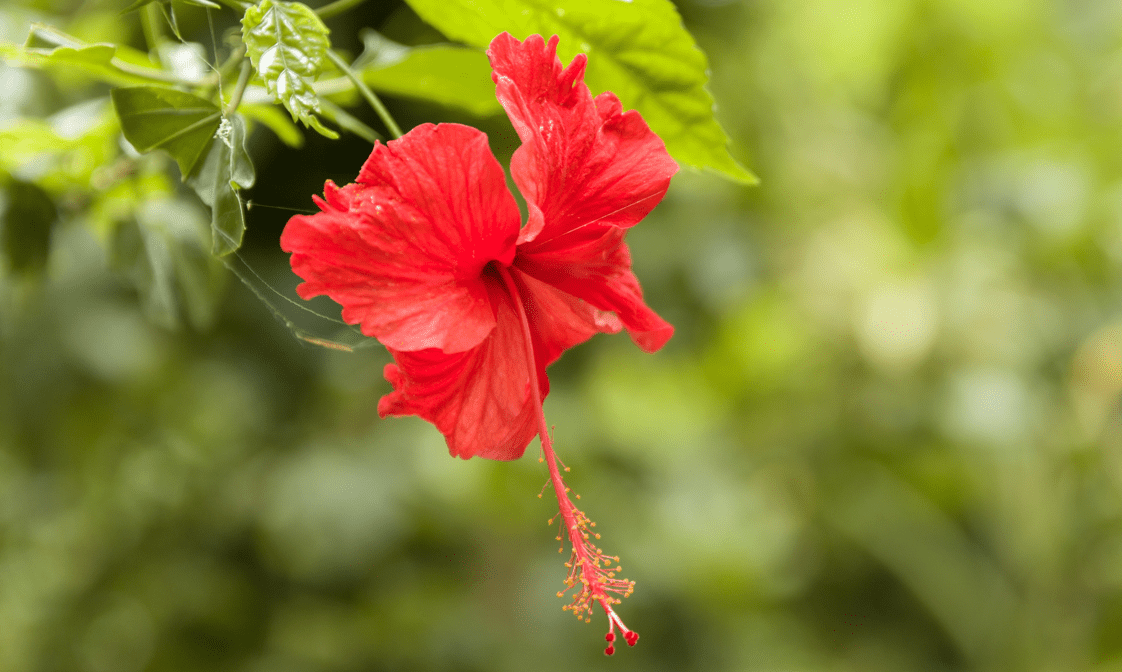
Hibiscus plants stand out with their large, trumpet-like flowers. They come in various colors depending on the variety. While dozens of species exist, Hibiscus mainly
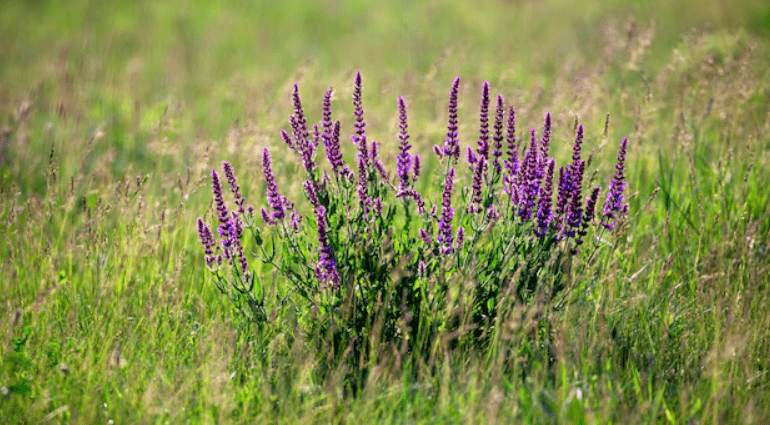
Lavender isn’t just a pretty plant; it’s a fragrant powerhouse. It has grey-green foliage and upright flower spikes that grow up to three feet tall.
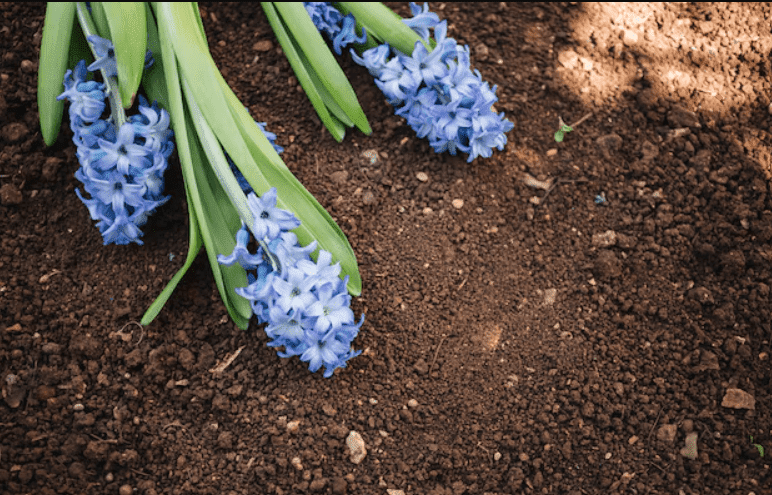
Hyacinths (Hyacinthus orientalis) are easy-to-grow spring bulbs that add vibrant colour and great fragrance to your garden. They are Available in various colours, like classic
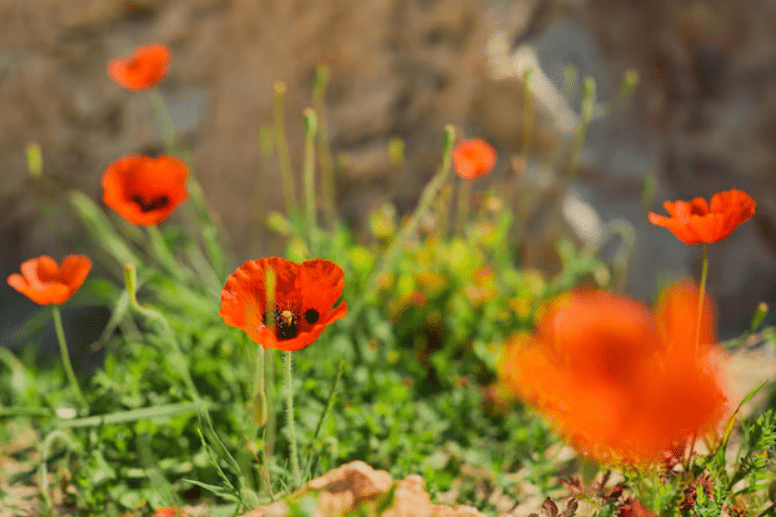
Poppies are beautiful and delicate plants that can charm any garden. Their vibrant colors make them an eye-catching addition to any space. Cultures and religions
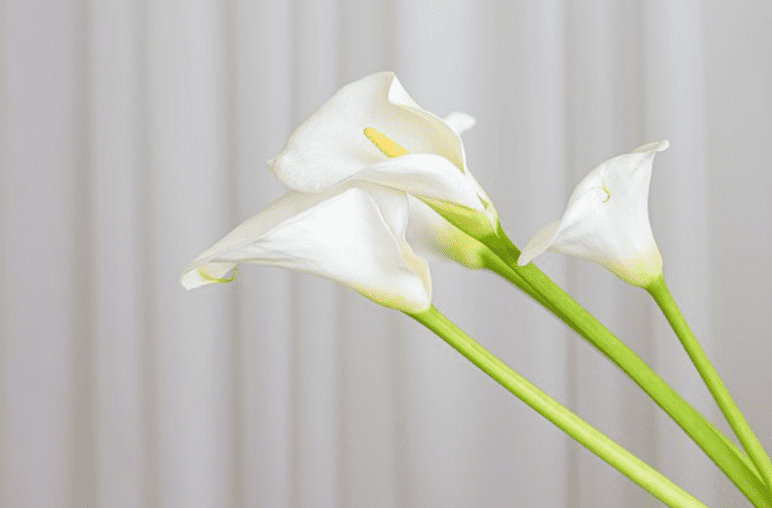
Calla lilies, also known as arum lilies, may look exotic, but they’re surprisingly easy to grow! Despite their name, they’re not true lilies. They belong