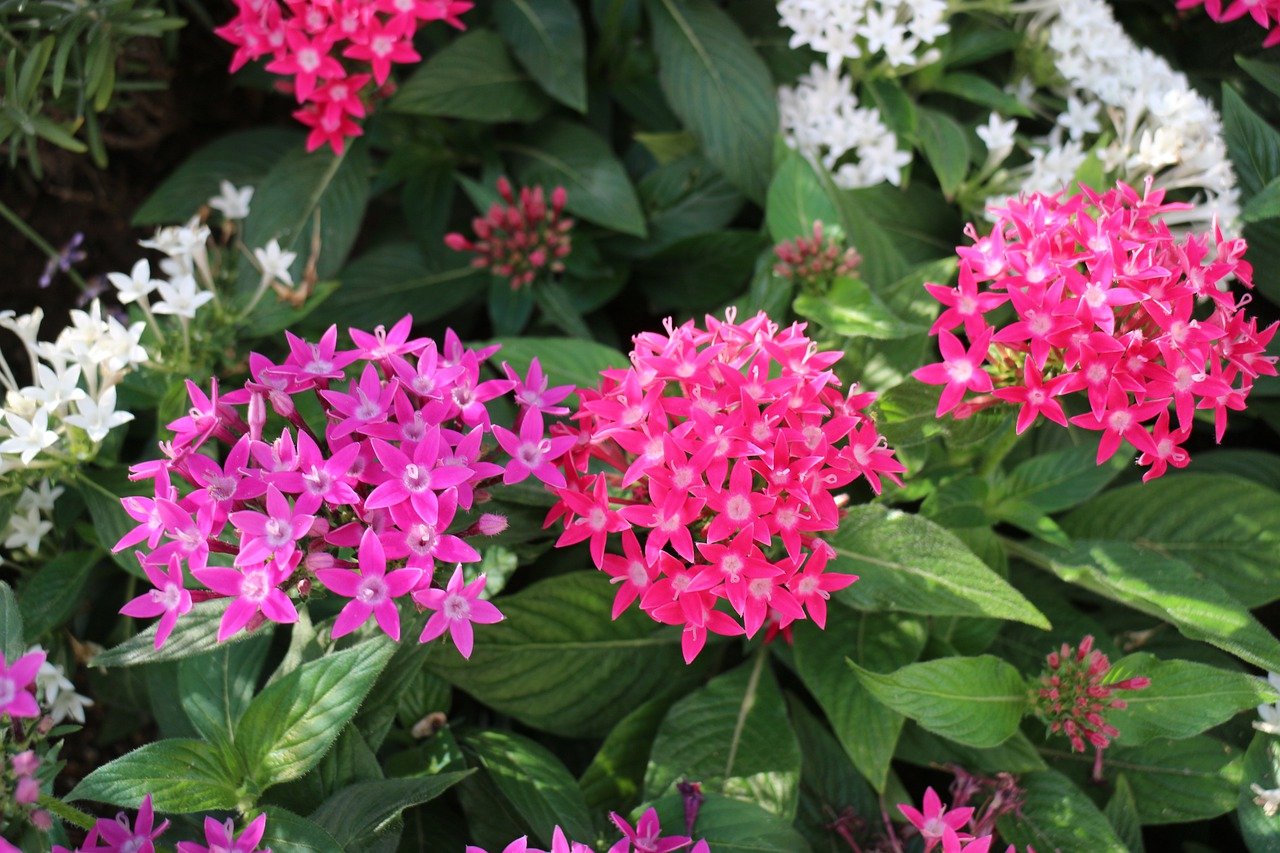
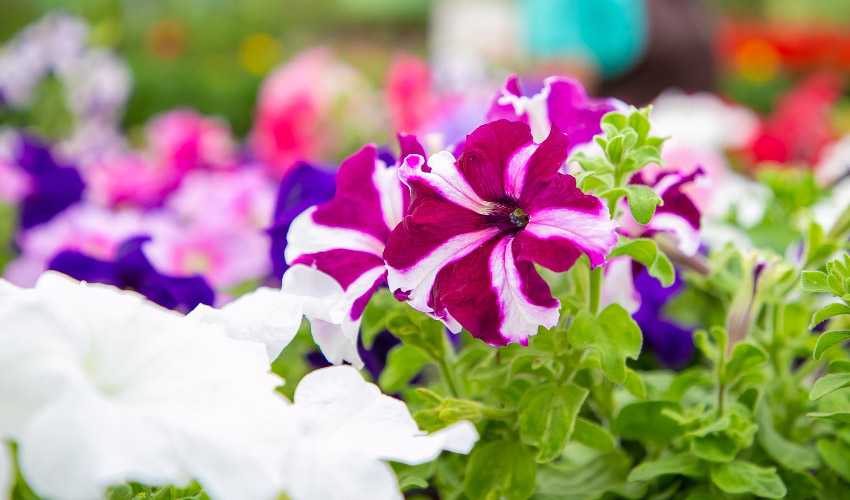
Petunias planted in garden beds or containers are one of the most popular annual flowers. Gardeners can choose from a vast selection of Petunia varieties, where most of them are hybrids. These prolific bloomers produce large, trumpet-shaped flowers in nearly every color except true blue, ranging from solid shades to striped or veined patterns. Flowers can be single or double, with smooth or ruffled petals. The plants feature branching foliage that is slightly hairy and sticky. Depending on the variety, petunias may grow in a mounded or trailing habit, and some types are notably fragrant. Discover how to grow petunias as annuals or as short-lived perennials.
Table of Contents
ToggleTypes of Petunias
Petunias fall into several main categories, classified mainly by flower size and growth habit.
- Multiflora petunias stand out for their toughness and heavy flowering. They produce smaller blooms in large numbers and perform well in summer beds and mixed borders. These varieties handle wet weather better than most, making them a reliable choice for outdoor planting.
- Grandiflora petunias produce oversized, showy flowers and grow best in pots or hanging baskets. Their delicate blooms are more prone to rain damage, and in hot, humid southern climates, the plants may struggle with rot.
- Floribunda petunias sit between grandiflora and multiflora types. They flower generously, like multifloras, producing medium-sized blooms that offer a balance of beauty and durability.
- Milliflora petunias feature the smallest flowers of all, measuring only about 1 to 1½ inches across. Despite their size, these plants bloom continuously and maintain color throughout the season.
- Spreading or trailing petunias grow low and wide, often reaching 3 to 4 feet across. Flowers appear along the full length of each stem, creating vibrant ground cover. Gardeners commonly use these varieties in window boxes and hanging baskets for a cascading effect.
How to Plant Petunias
When to plant: Plant petunias in spring once the risk of frost has gone and temperatures begin to stay warm.
Where to plant: Select a spot that receives full sun. Petunias can handle light shade, but they produce the most flowers when grown in bright, direct sunlight.
Soil: Grow petunias in light, nutrient-rich, well-draining soil with a slightly acidic pH between 6.0 and 6.5. Improve heavy clay soil by mixing in compost or other organic matter to boost drainage and fertility.
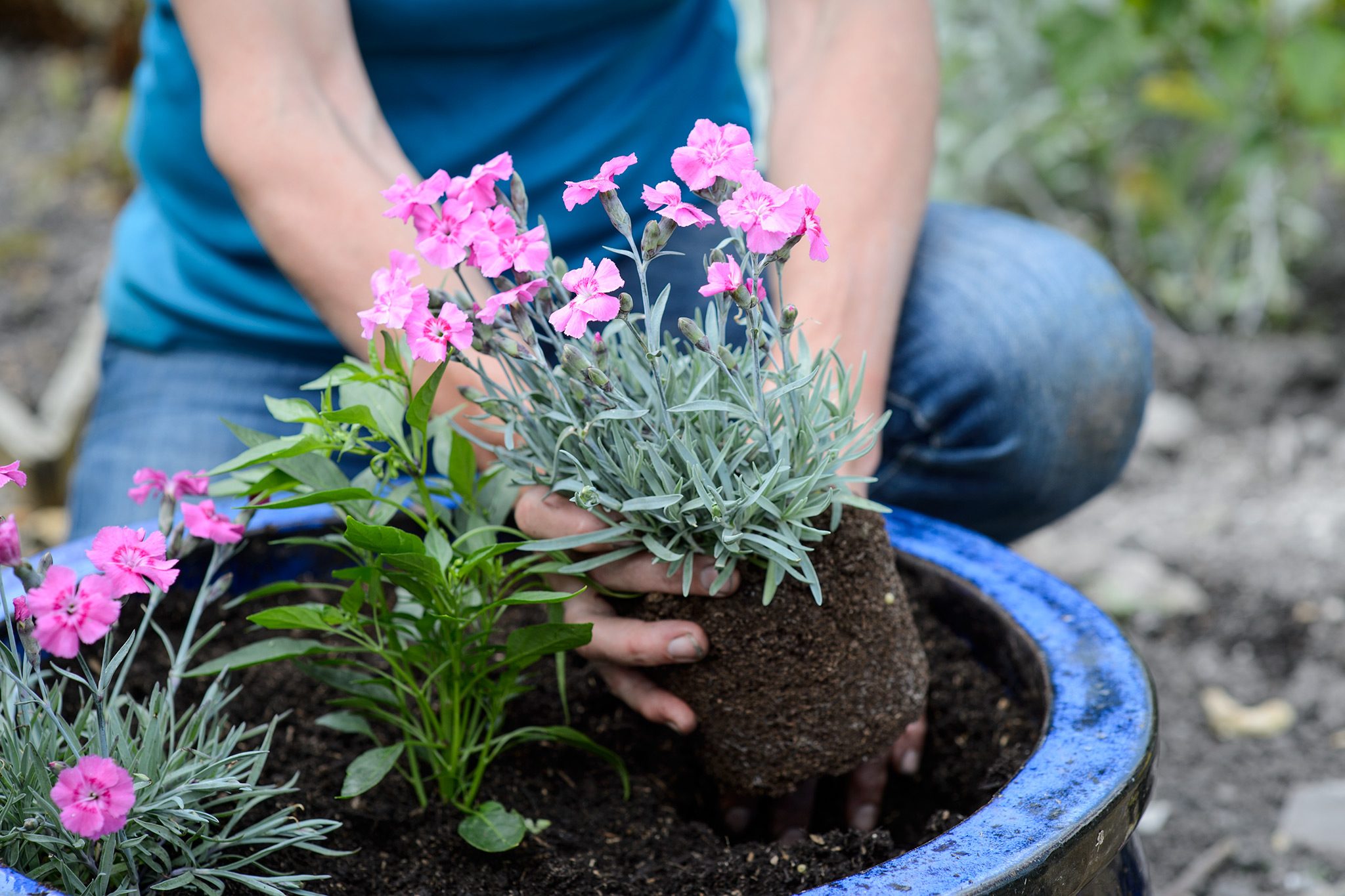
Container planting: Fill pots with a high-quality, well-draining potting mix that includes a slow-release fertilizer. Always choose containers with drainage holes to avoid water from collecting around the roots.
How to Grow Petunias From Seed
Because most petunias are hybrids, purchase seeds from a reliable seed company to get plants that stay true to the parent variety. Seeds collected from hybrid plants rarely produce the same results. Start seeds indoors about 10–12 weeks before your area’s expected last frost.
- Sprinkle the tiny seeds over a moist seed-starting mix.
- Gently press the seeds onto the soil surface without covering them, as they need light to germinate.
- Cover the container with clear plastic to maintain humidity and place it in a warm area away from direct sunlight.
- Expect germination within 7 to 10 days.
After seedlings appear, remove the plastic cover. When the plants develop three true leaves:
- Transplant them into small pots.
- Keep the soil moist and provide bright light.
Move the young petunias outdoors only after the final spring frost has passed.
Petunia Care
Water
Petunias develop shallow roots that dry out quickly, so consistent watering is essential. Water in-ground plants deeply about one to three times a week, depending on weather conditions. Container-grown petunias dry out faster and may need daily watering during hot spells.
Fertilizing
Add a slow-release fertilizer into the soil at planting time. During summer, feed petunias with a water-soluble bloom-boosting fertilizer to maintain strong flowering.
- In hot climates, fertilize weekly.
- In milder climates, feed every third watering.
Container plants often require more frequent feeding because nutrients leach out quickly. Avoid high-nitrogen fertilizers, as they promote leafy growth rather than blooms.
Pruning and Deadheading
Pruning needs vary by petunia type.
- Traditional grandiflora varieties need regular deadheading.
- Self-cleaning and spreading types benefit from occasional deadheading to encourage fuller growth.
If plants become leggy or stop flowering well, trim them back by up to one-third and apply fertilizer to trigger a fresh wave of blooms.
Pests and Diseases
Petunias may attract aphids, thrips, and spider mites, and they can develop powdery mildew in poor conditions. Budworms cause the most noticeable damage by feeding on the insides of flower buds, preventing blooms from opening. Check buds regularly and treat infestations quickly to protect flowering.
Ideas for Using Petunias in the Landscape
Petunias are a gardener’s favorite for adding vibrant, instant color to any outdoor space. Their versatility allows for many creative uses:
- Plant them in seasonal flower beds for a bright splash of color.
- Plant them in hanging baskets, mixed containers, or window boxes alongside sturdier plants.
- Use petunias as filler or trailing “spiller” plants in pots and planters.
- Plant them in large groups for a bold, colorful carpet effect.
- Quickly cover bare patches in your garden while suppressing weeds.
FAQ
Do petunias grow better in sun or shade?
Petunias thrive in full sun, but during the hottest part of the day, they benefit from some shade. A location that receives sunlight in the morning and shade in the afternoon is often ideal for strong growth and prolonged blooming.
Do petunias come back every year?
In most regions, petunias are grown as annuals and complete their life cycle in one season. However, in frost-free areas, they can behave as short-lived perennials, lasting two to three years.
When is the best month to plant petunias?
Plant petunias after the last frost in your region. Depending on your climate, this can range from March to May. Ensure the soil temperature has reached at least 60°F before planting for best results.