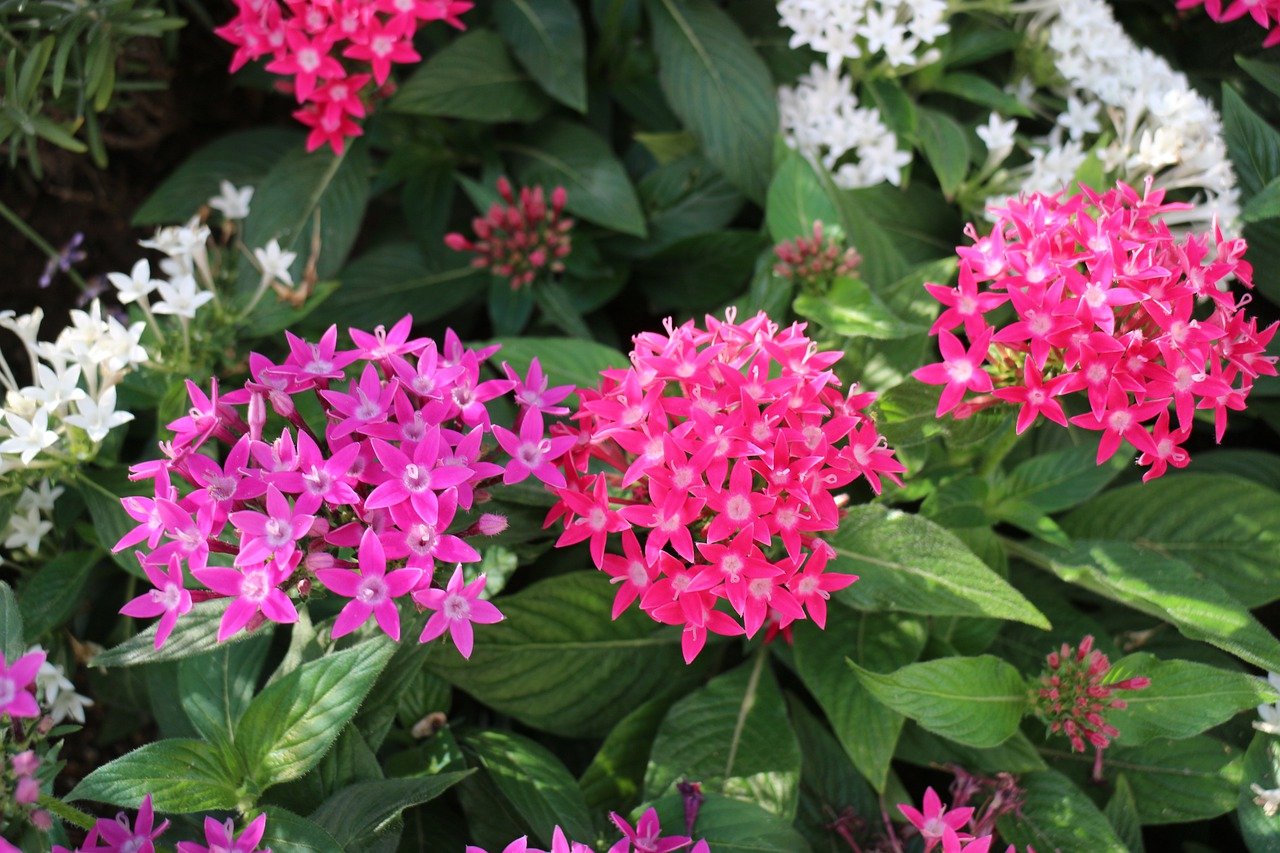
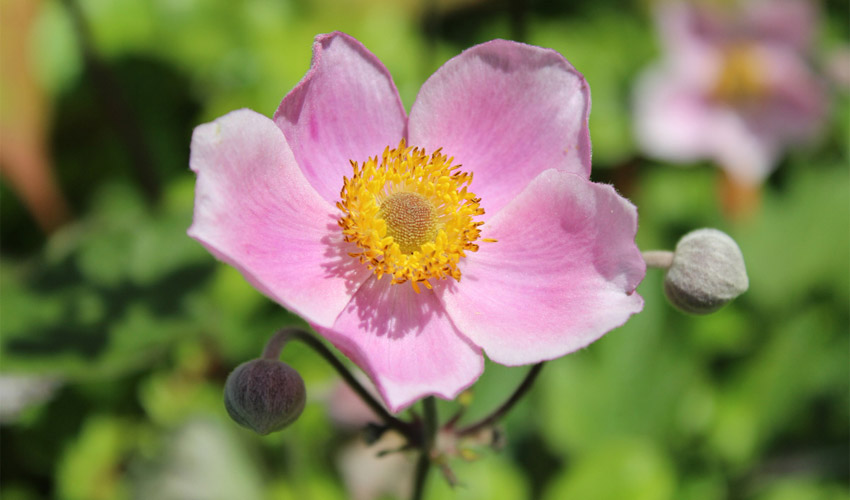
Japanese anemones, also called windflowers. They bring an effortless elegance to gardens in late summer and early autumn. Their delicate flowers sway gently on tall, slender stems, creating movement and softness in the landscape. While the leaves stay fairly simple, the flowers shine when many other perennials slow down. These long-lived plants offer a lovely range of soft pinks and clean whites, with blossoms that vary from simple, open forms to richly layered doubles.
Table of Contents
ToggleJapanese Anemone Planting Tips
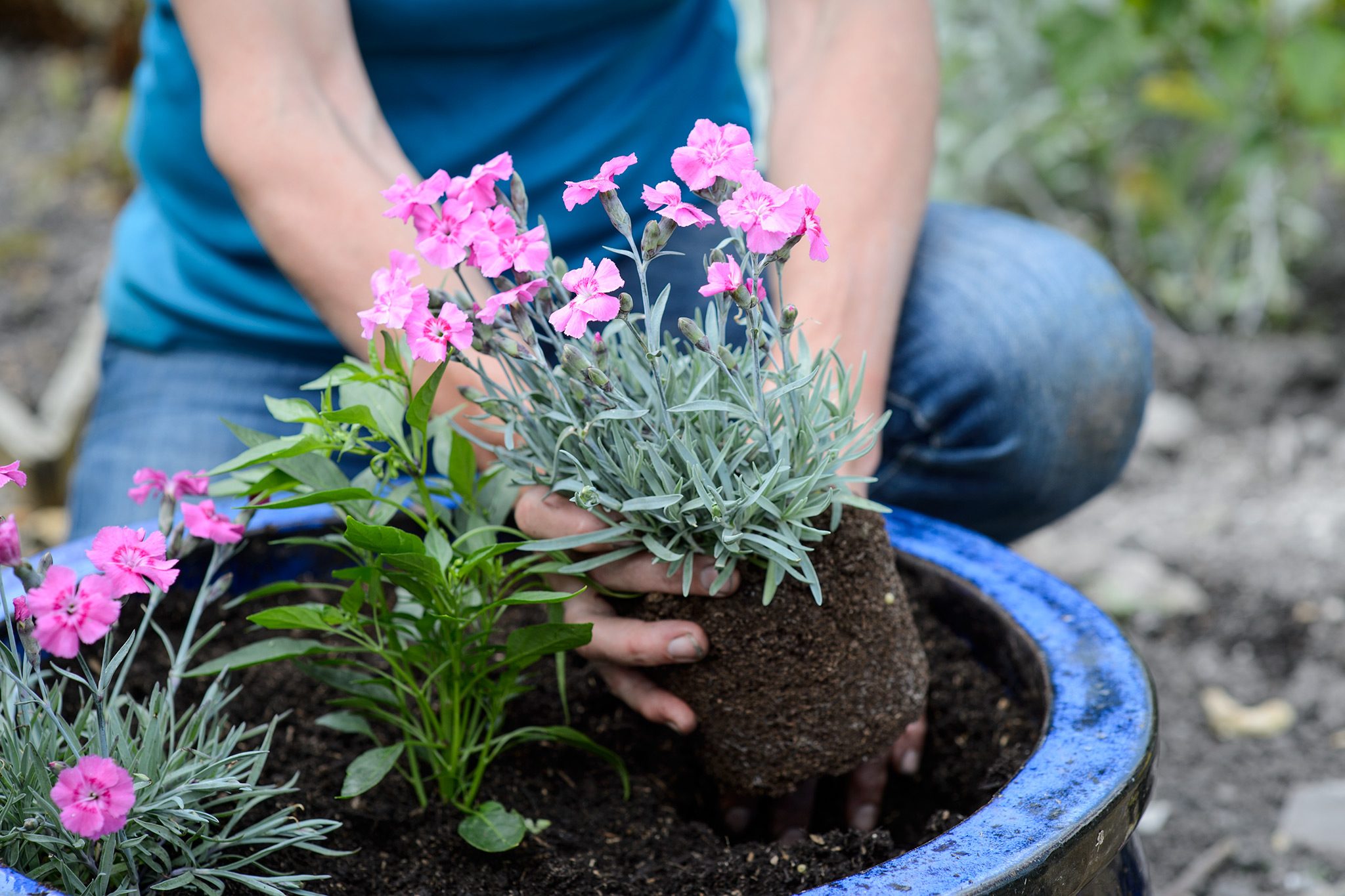
When learning how to grow Japanese anemones, timing and soil preparation play a key role. Plant these perennials in spring or fall when temperatures stay mild, and the soil holds enough moisture. Start by digging a planting hole that measures twice the width and the same depth as the nursery pot. Improve soil drainage by adding compost, and add organic matter like manure or leaf mold at the base of the hole.
Remove the plant from its pot and place it in the hole so it sits at the same soil level as before. Refill the hole, gently firm the soil to eliminate air pockets, and water thoroughly. When planting multiple anemones, leave 1 to 2 feet of space between each plant to allow for healthy growth and airflow.
Gardeners who prefer starting from seed can sow species varieties after the final spring frost. Before planting, refrigerate the seeds in a moist medium for six to eight weeks to encourage germination. Keep in mind that many Japanese anemones are hybrids and do not produce viable seeds. Plants grown from seed also take longer to bloom, so most gardeners find nursery-grown plants the easiest and fastest option.
Japanese Anemone Care Tips
Japanese anemones don’t require much care to give you beautiful flowers. Once established, they grow reliably and continue to flower year after year.
Light
Place them in partial sun to partial shade to keep the foliage healthy and prevent moisture loss. Excessive shade encourages weak, floppy growth and reduces flowering, while harsh, direct sun can dry out the leaves.
Soil and Water
Japanese anemones perform best in loose, well-draining soil enriched with organic material. Compost-rich soil helps retain even moisture, which protects the leaves from browning or developing dry, crispy edges. Consistent moisture is essential in warmer regions, where soil dries out more quickly.
Temperature and Humidity
These plants prefer warm conditions, thriving in temperatures between 70°F and 80°F, yet they handle cooler fall weather without trouble. Japanese anemones grow well in USDA hardiness zones 4-8 and adapt easily to average to moderately humid environments.
Fertilizer
Japanese anemones do not need frequent feeding. Apply compost or a balanced fertilizer, such as a 10-10-10 blend, once in spring and again in fall. Follow label instructions to prevent over-fertilizing, which can cause too much leaf growth and fewer blooms.
Pruning
As temperatures drop, Japanese anemones naturally die back. Protect the roots by adding a light, two-inch layer of mulch during winter. In early spring, remove old, dead foliage before new growth appears. Deadheading spent flowers in the fall keeps the plant tidy and supports healthier growth.
Potting and Repotting
Japanese anemones grow well in containers when given enough space. Pick a pot that has drainage holes and fill it with a fast-draining potting soil or amended garden soil. Since these plants spread quickly, repotting often becomes necessary. Move the plant into a larger container and refresh the growing medium to support continued growth.
In colder regions, container-grown plants may need winter protection. Move pots to a cool indoor space, such as a garage or basement, and keep temperatures above freezing to prevent root damage.
Common Pests and Problems
Watch for caterpillars, flea beetles, and slugs, which may damage leaves. In shady spots, powdery mildew can appear but is usually mild. Avoid overwatering and ensure well-drained soil to prevent root rot.
Japanese Anemone Propagation
The simplest way to propagate Japanese anemones is to divide them in spring, as new growth begins. Carefully dig up a mature plant and split the root clump into two or three sections with a sharp spade. Replant the divisions immediately in rich, well-draining soil and water thoroughly.
Propagation from seed is also possible, but slower. Collect seeds in the autumn, place them in a plastic bag with damp peat moss, and refrigerate them for 6 to 8 weeks to simulate winter. Sow the seeds lightly in seed trays or small pots in a warm spot with bright, indirect light. Germination usually takes three to four weeks. Move the seedlings outdoors after the last frost; expect blooms only in the following year.
Japanese Anemone Companion Plants
Turtlehead
This native perennial earns its name from flowers shaped like snapping turtle heads. It thrives in heavy, moist soils and forms dense clusters of upright stems with pink, rose, or white blooms from late summer to fall. Preferring partial shade, it can also tolerate full sun if the soil stays consistently moist.
Culver’s Root
Culver’s root adds height and elegance with tall spikes of whitish-blue flowers above dark foliage. In moist, rich soil and full sun, it can reach up to 7 feet; in drier conditions, it remains more compact.
Hepatica
Hepaticas are small wildflowers with cup-shaped blooms in white, lavender, pink, or purple. Named for their three-lobed, liver-shaped leaves, they naturally grow in leaf-rich woodland soil. They are perfect for shady rock gardens or woodland-style beds with humus-rich soil.