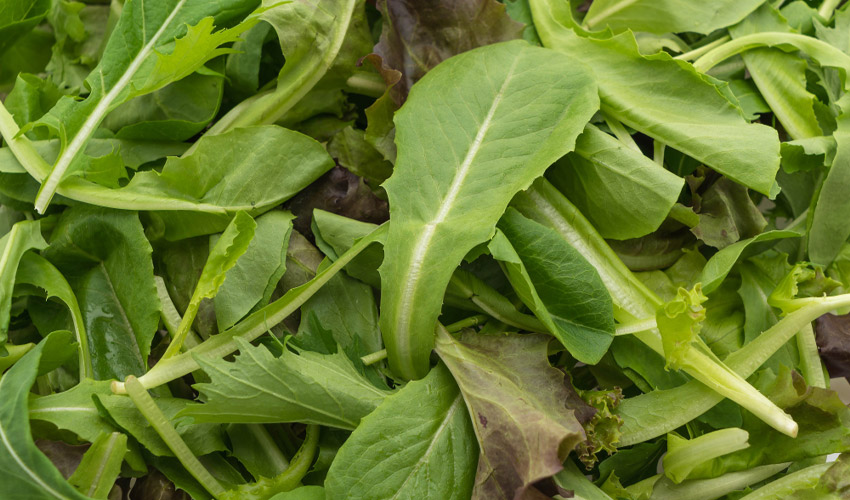
Arugula is more than just a popular leafy green found in restaurants. It’s easy to grow from seed at home, and even a small plant can give you plenty to harvest.
Table of Contents
ToggleWhat Is Arugula and Why Should You Grow It?
Arugula (Eruca vesicaria) is a fast-growing leafy plant from the mustard family, often used as a zesty salad green. Its leaves have a tangy, peppery flavor that brightens up dishes. The leaves are shaped with deep cuts and usually grow 3 to 6 inches long, forming small clusters. Arugula grows best in cool weather, so plant it in early spring or late summer for the best harvest.
Here are 10 great reasons to grow your own arugula at home:
- Arugula has a long growing season.
- You can easily grow arugula as nutrient-rich microgreens.
- You can collect and save your own arugula seeds for future planting.
- The smell of arugula deters pests.
- Arugula works well in a wide variety of recipes, from salads to pasta.
- It provides a good source of iron and magnesium.
- It’s very easy to grow.
- It fits perfectly in small spaces.
- You can harvest the leaves multiple times from the same plant.
- Arugula grows well with just 4 hours of sunlight.
Where to Plant Arugula
Arugula grows best in fertile, well-drained soil, but it adapts easily to different conditions. This flexibility makes it a great option for containers, raised beds, or in-ground garden spaces. For optimal growth, keep the soil slightly acidic, with a pH level between 6 and 7.
Choose a location that receives full sunlight (at least 6 hours a day) for the healthiest plants. While arugula can handle partial shade, it won’t perform well.
Avoid planting arugula in spots where other Brassica crops (like cabbage or broccoli) recently grew, since lingering pests and diseases can affect your new plants.
When to Plant Arugula
Arugula seeds can sprout in soil temperatures as low as 40°F (4°C), so you can sow them outdoors as soon as the soil becomes workable in early spring. Check your local frost dates to time your planting more accurately.
For a later harvest, sow the seeds again in late summer or early autumn to enjoy fresh leaves through fall and even into winter.
How to Plant Arugula
Plant arugula seeds about ¼ inch deep and space them roughly 1 inch apart in rows that are 10 inches apart. You can also scatter the seeds directly over the soil or combine them with other salad greens for a mixed harvest.
The seeds usually sprout within a week, though colder soil may slow the process slightly. To encourage quicker germination, soak the seeds in water for a few hours before planting.
As the seedlings develop, you’ll first notice two small, rounded seed leaves (cotyledons) with a slight notch at the tip. The first true leaves appear smooth and narrow, while mature leaves develop deeper lobes, often resembling dark green oak leaf lettuce with multiple segments.
For a steady supply, sow fresh seeds every 2 to 3 weeks so you can keep harvesting throughout the growing season.
How to Grow Arugula From Seed
Most gardeners grow arugula from seed since it’s quick and easy. Sow seeds directly in the garden one to two weeks before the last spring frost. They can germinate even at 40°F.
Cover the seeds lightly with soil and keep them evenly moist, not soggy. Seeds usually sprout within a week.
Once seedlings appear, thin them to about 6 inches apart. Use the thinned baby greens for fresh salads.
How to Grow Arugula in Pots
Arugula plants stay compact and grow neatly, which makes them perfect for containers. You can keep the pots close to your kitchen for easy harvesting. When temperatures rise, simply move the containers out of the strong midday sun to help extend the growing season.
Since arugula has shallow roots, you don’t need a very deep pot. A container that’s at least 6 inches deep with a wide opening works well. Always choose a pot with proper drainage holes. Unglazed clay pots are a great option because they allow extra moisture to escape, while self-watering containers can make maintenance much easier.
Potting and Repotting Arugula
Use a high-quality, well-draining organic potting mix to grow arugula in containers. Choose a pot large enough to support the plant at full size so you don’t need to repot and disturb its fast growth.
Overwintering
Arugula is an annual, so it doesn’t require overwintering. However, you can grow it indoors during winter if you provide enough light. Use grow lights if natural sunlight isn’t sufficient.
Harvesting Arugula
Arugula is usually ready to harvest in 4 to 7 weeks, depending on the variety. Pick the leaves when they are about 3 inches long. Young leaves are tender and mild, while older leaves can become tough and bitter.
To keep the plant producing, harvest only the outer leaves. Cut or gently tear them near the base and leave the center intact. You can also cut all the leaves just above the soil; the plant may regrow if the weather is still mild. If the plant bolts, skip the leaves; they’ll be bitter. Harvest the flowers instead. The blooms add a peppery flavor to salads or sandwiches.
Use fresh leaves quickly for the best flavor; they can be stored in the fridge for up to a week.
Pests and Plant Diseases
Arugula is generally hardy and disease-resistant, though it can occasionally be affected by bacterial leaf spot or powdery mildew. It’s quick, an early growing season helps avoid most spring pests, but late summer plantings may still face problems.
Common pests include slugs, cabbage loopers, flea beetles, aphids, and diamondback moths. Check your plants regularly for insect eggs and remove them by hand. Spray aphids off with a strong jet of water, and keep slugs away using beer traps, diatomaceous earth, or other traditional methods.