September is still an ideal time to plant vegetables in the soil for a rewarding autumn harvest. Crops like lettuce, carrots, beets, and other flavorful vegetables can thrive during the cooler months, even if you missed planting earlier in the season.
To make the most of your fall garden, our expert gardeners recommend sowing a variety of vegetables to plant in September that can be harvested before winter sets in.
Table of Contents
ToggleVegetables to Plant in September
Spinach
Plant hardy types of spinach directly into shallow rows in well-prepared soil or grow them in containers. Hold off sowing if the weather is still hot, since high temperatures can cause uneven germination, but don’t delay too long—plants need time to establish before winter arrives. Keep the soil consistently damp and free from weeds. From October onward, protect young plants with fleece or a low cloche to shield them from frost. As temperatures drop, the spinach will slow its growth, but once spring warmth returns, it will regrow and provide you with an early harvest.
Lettuce Greens
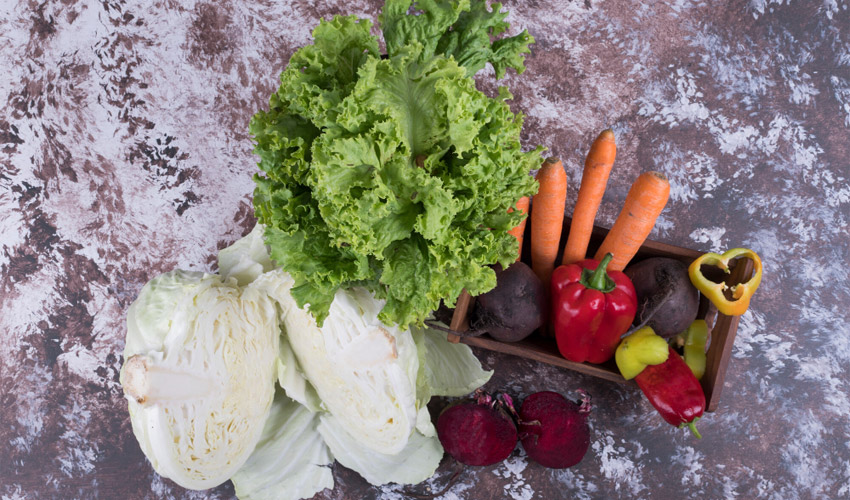
Lettuce and other salad greens thrive when sown in late summer or early autumn, especially in regions with warm days and cooler nights. Growth slows as days shorten and temperatures drop, so the time to maturity depends on when you sow. Early September plantings are usually ready within two months, while seeds sown toward the end of the month can take up to 15 weeks. Harvest when the leaves reach about 7–10 cm in length, using scissors or a knife to cut just above the crown. This “cut and come again” method allows the plants to regrow, providing several pickings throughout winter and into early spring if kept under protection.
Beets
Beetroots are a reliable autumn crop that can be sown in September and harvested within 55 to 70 days. These roots tolerate frost well, allowing for extended harvesting into the colder months. Choose a sunny spot with well-drained, neutral soil, and enrich it with compost before planting. Expect smaller, baby-sized beets for autumn picking, as cooler weather often limits the time needed for larger roots to develop fully.
Broad Beans
Sowing broad beans in autumn helps you save time on spring planting. The plants establish themselves before the cold sets in, then slow down during winter, and start growing again when the weather warms. Although broad beans are fairly hardy, their leaves can be damaged by frost, so use fleece when hard frosts are expected. In milder regions, it’s best to sow them at the end of September—earlier sowings can result in plants growing too tall or flowering before the cold season, making them harder to protect.
Carrots
Sow carrots in September for a harvest in 50 to 75 days. They grow best in loose, well-drained soil, which makes raised beds an excellent option. If you’d like to extend the harvest into winter, cover rows with fleece or cloches to shield them from frost. The roots will continue to sweeten in cooler weather, giving you fresh carrots for your autumn and early winter meals.
Peas
Hardy peas can also be sown in September to overwinter and provide one of the first crops in spring. Cover them with a cloche during frost warnings to ensure strong, healthy growth through the colder months.
Radish
Radishes grow quickly and can be ready in just a few weeks, making them perfect for late sowings. Place seeds directly into well-prepared, weed-free soil while it’s still warm, so they mature before the first frosts. Protect young plants with a cloche once temperatures start to fall. Keep harvesting for crisp, fresh additions to autumn salads.
Turnip
Sow turnip seeds straight into loose, weed-free soil. Water regularly and thin seedlings to around 15 cm apart for healthy growth. These roots can be picked as tender, golf-ball-sized vegetables in about six weeks, but leave a few in the ground to enjoy later in the season, even around Christmas.
Onions
Plant autumn onion sets directly into fertile, moisture-retentive soil in full sun. Space them 10–15 cm apart, leaving 30 cm between rows, and set them just below the surface so the tips remain visible. Keep the bed free of weeds and water in dry spells. The onions will pause their growth during the colder months and resume growing in spring, ready for harvest in early summer once the bulbs are plump or the foliage has browned and collapsed.
Garlic
Garlic is best planted in autumn, as it benefits from a cold spell to help the cloves split properly. Push individual cloves about 2.5 cm deep and 25 cm apart in fertile, well-prepared soil. Shoots will appear before winter, survive the cold months, and grow vigorously again in spring. You can expect to harvest bulbs the following summer.