Tulip poplars are impressive native trees, known for their bold, striped blooms in spring and their uniquely shaped leaves that resemble flowers. As autumn arrives, the foliage shifts into a warm, golden-yellow display. These towering, fast-growing trees often reach heights of more than 100 feet and can live for more than two centuries. With roots tracing back to prehistoric times, tulip poplars once thrived alongside dinosaurs. When you plant a tulip poplar, you invest in generations of natural beauty while providing a valuable food source for pollinators.
Table of Contents
ToggleGrowing Conditions for Tulip Poplar
A tulip tree needs full sun, with at least six hours of direct light each day, along with moist, well-draining soil. When the soil remains too dry, the leaves begin to yellow, so steady moisture is essential. The tulip tree can also grow in partial sun, receiving about four to six hours of sunlight daily. It favors acidic soil but adapts well to alkaline conditions too.
How to Plant a Tulip Tree
Tulip trees grow exceptionally tall and wide, so choose a planting spot where the canopy has plenty of space to expand.
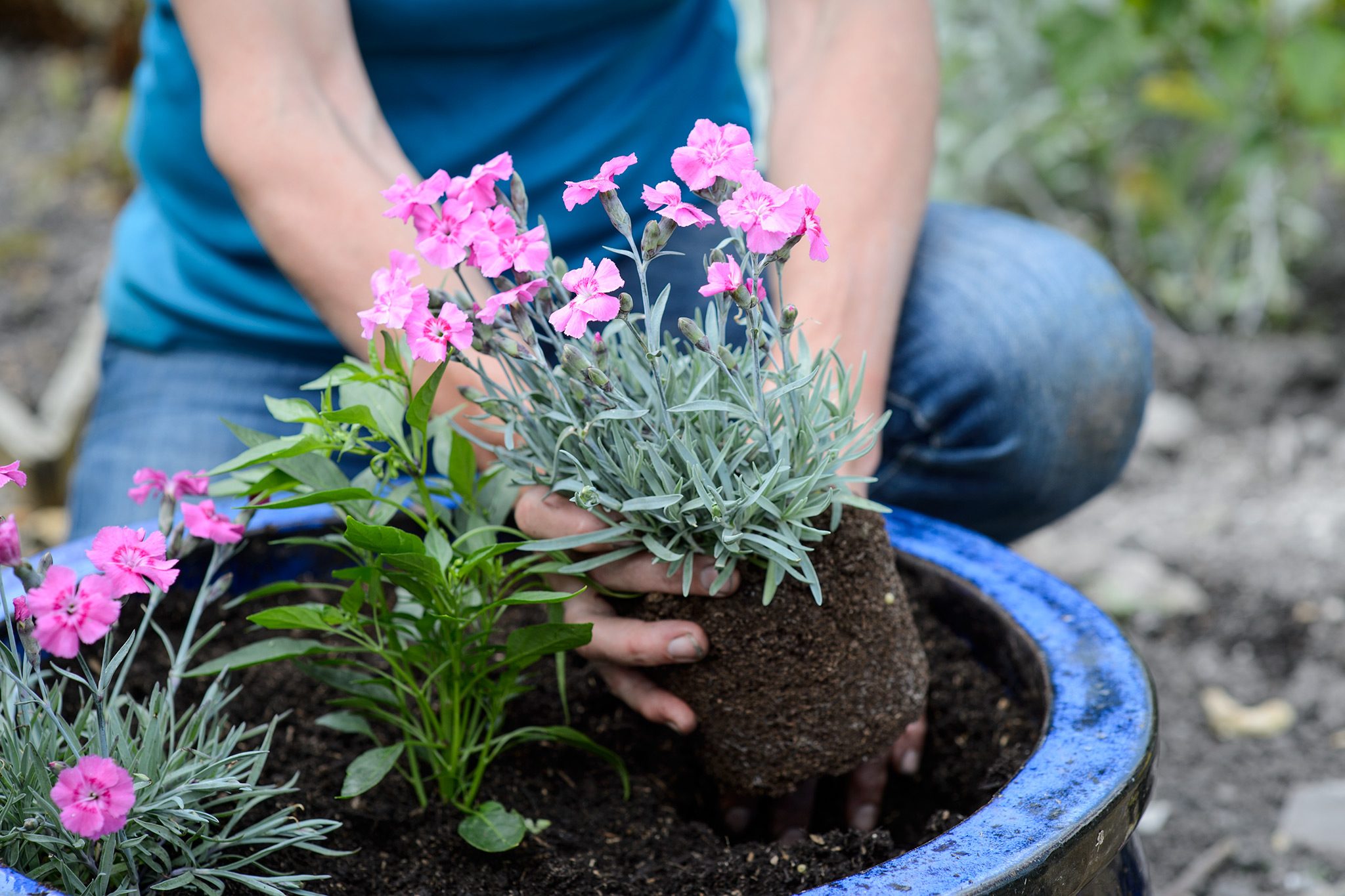
To plant a nursery-grown tree in a container:
- Dig a hole with gently sloped sides that is three to four times wider than the container, but no deeper than the tree’s root ball.
- Gently remove the tree from the container, keeping the soil around the roots intact. If the roots are spiraling around the root ball, use a knife to cut an X at the bottom and make four vertical cuts along the sides.
- Place the tree in the hole, positioning it so the base of the trunk sits slightly above ground level.
- Refill the hole with soil, and gently press to remove air pockets, until the soil reaches just below the root collar.
- Water thoroughly, then apply a two- to four-inch layer of mulch in a three-foot-wide circle around the tree, keeping the mulch away from the trunk.
Tulip Poplar Care
This tree grows well in full sun and prefers slightly acidic soil that stays moist yet drains well and has a loose texture. While it tolerates wet locations, it also handles periods of drought once established.
During the first three months after planting, water deeply 2 to 3 times per week with a hose. This routine encourages strong root development and helps roots grow downward instead of remaining shallow. Continue keeping the soil consistently moist during the first year to promote faster growth. Using a Treegator or adding about two inches of mulch around the base can significantly reduce manual watering.
Feed the tree with a slow-release fertilizer in early spring to support healthy growth.
Tulip poplars rarely need pruning. But if needed, do it during winter or early spring, while the tree is dormant. Remove dead, damaged, or overcrowded branches, or prune lightly to maintain shape.
In areas with strong winds, staking can help young trees stay upright. Early on, tulip poplars grow as slender whips with few branches. Since they grow quickly, check stakes regularly and ensure they do not rub or restrict the trunk.
Pruning Tulip Poplar
Since tulip trees grow rapidly, regular pruning helps maintain their shape and size. Their heavy branches are not especially strong and may become a safety concern if left unmanaged. Trim in late winter or early spring to remove dead or weakened growth, and carry out a more detailed thinning every few years to keep the tree healthy and balanced.
Tulip Poplar Tree Varieties
Tulip trees are also called “tulip poplar” or “yellow poplar,” likely because their leaves flutter in the wind like true poplars. Despite these nicknames, they are not true poplars and belong to the Magnoliaceae family. Popular tulip tree cultivars include:
‘Emerald City’: Features glossy green leaves and reaches 55–60 feet tall and 25 feet wide.
‘Little Volunteer’: A smaller variety growing 30–40 feet tall with more compact leaves.
‘Fastigiatum’ (or ‘Arnold’): Upright growth habit, reaching 50–60 feet tall and 15–20 feet wide.
Common Pests
Tulip trees can attract tulip tree scales and tulip tree aphids. These insects produce honeydew, which may encourage sooty mold growth. Fortunately, these pests are usually temporary and rarely need treatment.
Common Problems With Tulip Trees
Although tulip trees are generally low-maintenance, they can present a few issues to watch for:
Breakage: The wood is soft, making twigs, branches, and limbs prone to breaking, especially in windy areas.
Litter and Sap: Tulip trees can be messy. Fallen flower petals can accumulate after blooming, which may be inconvenient near sidewalks or streets. The trees also produce sticky sap, so avoid planting them near parking areas, as the sap can be difficult to remove.
Not Flowering: Young tulip trees may not bloom. If a tree older than 15 years fails to flower, possible causes include hot, dry climates; compacted soil limiting water to the roots; or planting the tree too deep, burying the root collar and affecting blooms.
FAQs
What is the lifespan of a tulip tree?
In the wild, tulip trees can live up to 300 years. In cultivated landscapes, they typically live between 100 and 200 years.
Do tulip trees have a scent?
Yes, tulip trees produce fragrant flowers. Being part of the magnolia family, their blooms carry a spicy, magnolia-like aroma.
Are tulip trees toxic?
No, tulip trees are safe for pets, unlike true tulips.
How long does it take for a tulip tree to bloom?
Tulip trees usually start flowering when they reach maturity, around 15 to 20 years old. The flowers often form high in the canopy, making them difficult to see from the ground.
What does a tulip tree look like in winter?
During winter, tulip trees have bare branches, but you can spot tulip-shaped buds that are reddish with hints of green forming for the next season.