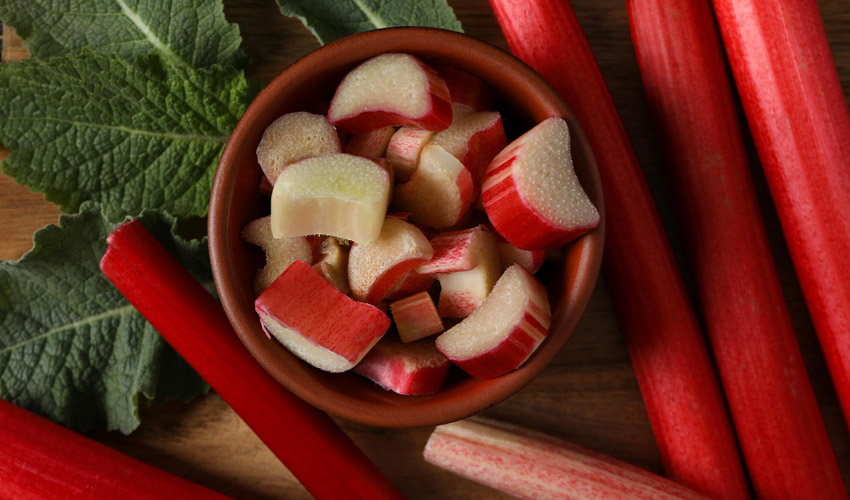
Rhubarb grows effortlessly and rewards gardeners with an abundant crop of flavourful stalks each year. You can safely eat only the stalks. Always avoid the leaves, as they contain toxic compounds, and add them to the compost pile instead.
Although rhubarb falls under the vegetable category, many people treat it as one of the first fruits to appear in the season. When you force rhubarb during late winter, you can start cutting tender stalks by March. Rhubarb adapts well to many recipes and most often cooks gently with a touch of sugar for crumbles or as a wholesome topping for porridge. You can also turn rhubarb into refreshing cordials and a range of homemade drinks.
Table of Contents
ToggleHow to Grow Rhubarb
Learning how to grow rhubarb successfully starts with understanding its basic soil, planting, and care needs to ensure healthy plants and reliable harvests year after year.
Soil
In early spring, rhubarb leaves begin pushing through the soil as the plant wakes up from dormancy. When you plant new rhubarb starts, avoid burying them too deeply. Cover the crowns with no more than one inch of soil to support healthy growth.
Rhubarb thrives in fertile, well-draining, organic-rich soil. While the plant tolerates many soil types, good drainage remains essential for strong root development. A simple and affordable soil test helps identify nutrient deficiencies and other potential soil issues before planting, allowing you to amend the soil effectively.
Soil Preparation
Prepare the planting area carefully before setting rhubarb in the ground. Remove all perennial weeds to reduce competition. Work 2 to 4 inches of well-rotted compost or organic matter into the top 6 inches of soil to improve fertility, structure, and moisture retention.
Plants
Gardeners typically grow rhubarb from starts rather than seeds. Growers take these cuttings from mature, healthy crowns. Each cutting should carry at least one visible leaf bud at the top and a strong root system at the base, even if the roots appear slightly trimmed. You can buy rhubarb starts online or at local garden centers during late winter or early spring. Many garden centers also sell container-grown, established plants in late spring and early summer, offering a convenient option for quick planting.
Planting and Spacing
Fully grown rhubarb plants can spread and rise beyond three feet, so choose a spot where they won’t crowd nearby crops. In sunny locations, set each plant about three feet apart to give them enough room to expand. Plant rhubarb crowns in early spring, then cover them with no more than one inch of soil. Gently firm the soil around the crowns and water thoroughly after planting. When growing rhubarb in multiple rows, leave roughly 4 feet between rows to ensure proper air circulation and easy access.
For container-grown plants, spread 1 inch of garden soil over the root ball. Avoid planting crowns or established plants too deep, as excessive depth can slow growth and even cause the plant to fail.
Watering
Rhubarb’s water needs vary based on soil texture, sunlight, and temperature. During the first two to three years, water the plants once or twice a week, allowing moisture to soak deeply into the root zone, usually six inches to one foot below the surface. Add mulch such as straw, dried grass clippings, or bark around the plants to lock in moisture and suppress weed growth.
After the third year, cut back watering to once every one to two weeks, especially when mulch covers the soil. Each watering should reach a depth of about twelve to eighteen inches. In particularly dry seasons, provide extra irrigation during harvest to keep plants productive.
Fertilization
Feed established rhubarb plants in early spring, just before new leaves appear. Scatter half a cup of balanced 16-16-16 granular fertilizer around the base and lightly mix it into the soil. Skip fertilizing during the first year, as young plants need time to establish strong roots before receiving added nutrients.
Dividing Plants
Rhubarb benefits from division every five to ten years, depending on the variety and how vigorously the plant grows. In early spring, before fresh shoots appear, lift the entire crown from the soil. Cut the crown into sections, making sure each piece contains one strong bud along with a portion of the root system. A healthy, well-established crown can yield five to ten new plants.
Replant the divided sections in a different part of the garden, spacing them about 3 feet apart and using the same planting method as for new crowns. If you cannot replant right away, keep the divisions from drying out by covering them with a damp medium such as potting mix, sawdust, peat moss, or vermiculite. Store them at 32-40°F, and plant them before or just as new growth starts to appear.
Rhubarb Problem Solving
Rhubarb plants can sometimes suffer from issues such as honey fungus, crown rot, and viral infections. These problems weaken the plant over time, and the most effective solution involves lifting and removing affected plants, then replanting them in a fresh location. Crown rot appears most frequently and develops as a fungal infection around the base of the stalks. It causes the crown to soften and turn brown, and once it sets in, no treatment can reverse the damage.
Harvesting Rhubarb
Pick rhubarb stalks once they reach a healthy green or red color. To keep plants strong, avoid harvesting during the first year after planting and limit yourself to just a few stems in the second year. Well-established plants, usually three years or older, produce harvest-ready stalks from spring onward.
Begin harvesting when the stems are long enough, typically 30-60 cm, depending on the variety. Skip the knife when collecting rhubarb. Grip each stalk near the base, then gently pull and twist it away from the crown. This method encourages the plant to send up new shoots and supports continued growth throughout the season.