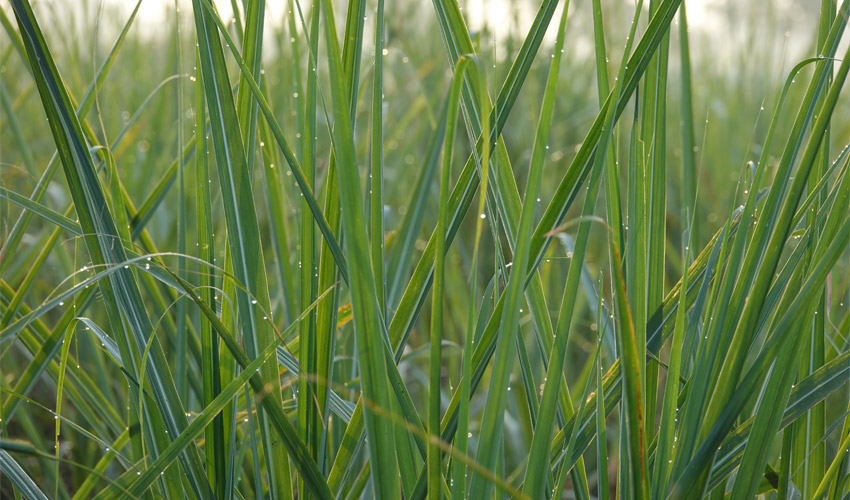
Lemongrass is a fragrant, tangy herb with a fresh citrus taste that plays a key role in many Asian dishes and herbal infusions. This plant grows best in regions with warm, dry winters and hot, rainy summers. With proper care and protection from frost, lemongrass can also survive in cooler southern areas and continue to grow well.
The plant prefers nutrient-rich, well-draining soil and adapts easily to both garden beds and containers. Its tall, clump-forming structure allows it to grow comfortably alongside other sun-loving plants in full sun or light shade.
Gardeners often use the thicker, more aromatic stalks for cooking, while the long leaves make soothing teas.
Table of Contents
ToggleTypes of Lemongrass
Lemongrass includes several varieties, but gardeners and cooks commonly use two main types: West Indian and East Indian lemongrass. Both are safe to eat and often get confused with citronella grass, which belongs to the same plant family but is not edible.
- West Indian lemongrass (Cymbopogon citratus) works best for cooking and adds a strong citrus flavor to food.
- East Indian lemongrass (Cymbopogon flexuosus) is widely used in fragrances, essential oils, and wellness practices due to its intense aroma.
- Citronella grass (Cymbopogon nardus) closely resembles lemongrass but does not work for culinary purposes. People mainly grow it for its insect-repelling properties and use it in oils, candles, and soaps.
Prepare
If you’re wondering how to grow lemon grass, you can start with seeds, nursery plants, or by dividing mature clumps. Choose a sunny or partially shaded spot with soil that stays moist but drains well.
Before planting, boost the soil by mixing in organic matter and compost into the top 10–20 cm. This step boosts fertility, improves drainage, and helps the roots establish faster.
In cooler regions, place lemongrass in a frost-protected area or grow it in containers so you can move it to a warmer, sheltered spot during winter. This simple step protects the plant from cold damage and supports healthy growth year-round.
Planting Lemongrass in the Garden
Mature lemongrass plants spread wide and grow tall, usually reaching about 70–90 cm in width and up to 90–100 cm in height. Allow enough spacing so each plant has room to develop strong clumps without crowding nearby plants.
Lemongrass grows best in full sun but can also tolerate partial sun for part of the day. In hot and dry conditions, water the plants regularly to keep the soil evenly moist. Adding a loose organic mulch around the base helps lock in moisture and limits weed growth.
Growing Lemongrass from Seed
Lemongrass seeds take time to sprout and often need two to three weeks to germinate. To increase your chances, sow several seeds together at each spot. Plant the seeds about 5 mm deep in small pots filled with well-draining soil.
Once the seedlings reach a height of 10–15 cm, move them into larger containers or transplant them directly into the garden. Handle young plants gently during transplanting to avoid disturbing the roots and slowing their growth.
Growing Lemongrass from Potted Plants
Plant nursery lemongrass straight into prepared garden soil or into containers with loose, well-draining potting mix. Water well after planting to help the roots settle. Apply a thin layer of organic mulch at the base to keep in moisture and stop weeds.
How to Grow Lemongrass from Established Stalks
The best time to divide mature lemongrass is in spring. Gently lift the plant from the ground and use a sharp knife, spade, or pruners to split it into smaller sections. Each piece should have healthy roots. Trim off any dry or damaged parts, and cut the stalks back by half before replanting to reduce stress.
Place the divided sections into prepared soil or containers filled with suitable growing medium, then water well to encourage new root development.
How to Grow Lemongrass in Pots
Lemongrass grows well in containers as long as the pot offers enough space. Choose a medium-sized pot or container that measures at least 30–40 cm in both width and depth to support healthy root growth.
Fill the container with a loose, well-draining potting mix. Slowly remove the plant from its nursery pot, place it into the container, and fill in around the roots with soil. Water well after planting to help the plant establish itself in its new home.
During warmer months, spread a light layer of organic mulch over the soil surface. Mulch helps the soil preserve moisture and keeps unwanted weeds under control.
Harvesting Lemongrass
You can harvest lemongrass as needed once the stalks reach about 30–40 cm in height and the base thickens to roughly 2 cm. Cut the stalks just above soil level using clean tools, or gently twist and snap them off by hand. Take care not to disturb or pull out the entire clump.
In cooler regions, avoid heavy harvesting during winter, as the plant grows more slowly during this time. If you collect more lemongrass than you can use, chop the stalks and freeze them for later use.
When lemongrass starts to look untidy or overgrown, trim it back firmly at the end of winter. Feed the plant with a general nutrient fertilizer in early spring to support fresh, healthy growth.
Uses of Lemongrass
Lemongrass often appears in Asian cooking, particularly in Thai and Vietnamese dishes. Cooks usually rely on the soft inner portion of the stalk for stir-fries, soups, salads, and sauces. To preserve fresh lemongrass, slice it thinly and freeze the pieces in flat layers so you can break off only what you need. You can also freeze it chopped or blended into a paste for quick use.
The long leaves add subtle flavor to marinades and brew into a refreshing herbal tea when steeped in hot water. After using the leaves, compost them or blend and spread them around outdoor areas to help discourage insects. For drying, tie the leaves into small bundles and hang them upside down in a dark, well-ventilated place. Once dry, store them in airtight containers. Properly dried lemongrass keeps its aroma and taste for up to a year.
Common Pests and Plant Diseases
Lemongrass rarely suffers from serious pest or disease issues, but it may attract insects that affect many garden plants. Aphids and spider mites sometimes appear, especially in warm weather. A strong spray of water often removes them, and natural horticultural oils can help control heavier infestations without harming the plant.