What is Koriandri?
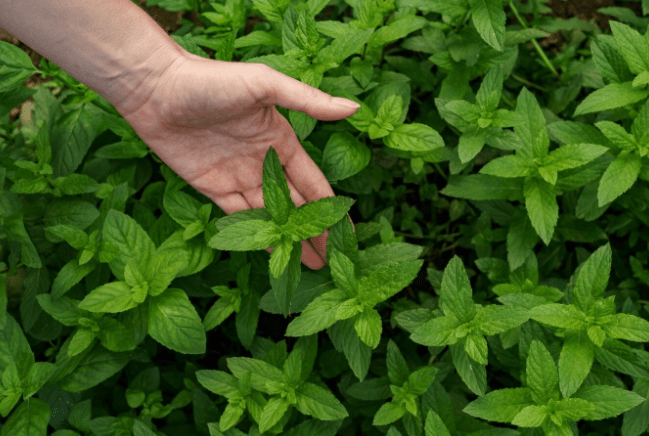
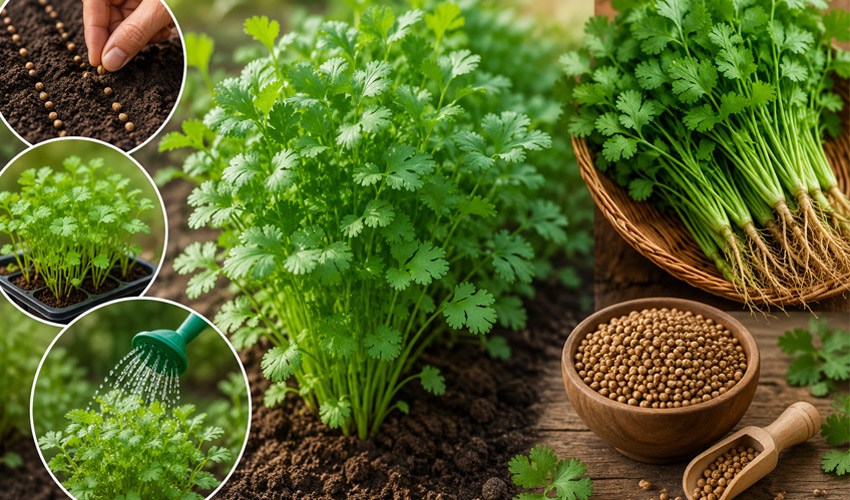
Koriandri, scientifically known as Coriandrum sativum, is an aromatic herb in the family Apiaceae. It is widely used in a variety of recipes. It adds a distinctive flavour and provides several health benefits. Its fresh leaves, often called cilantro, and its dried seeds, known as coriander seeds, are valued for their pleasant aroma and versatility across cuisines. The green leaves offer a fresh and citrusy taste, whereas the seeds have a warm, earthy flavour when used whole or ground into powder.
Koriandri Characteristics
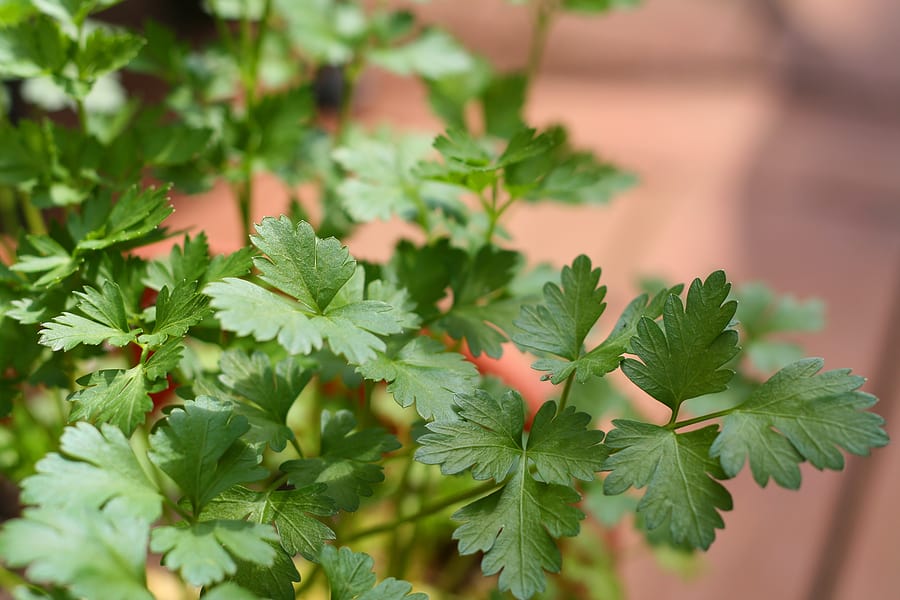
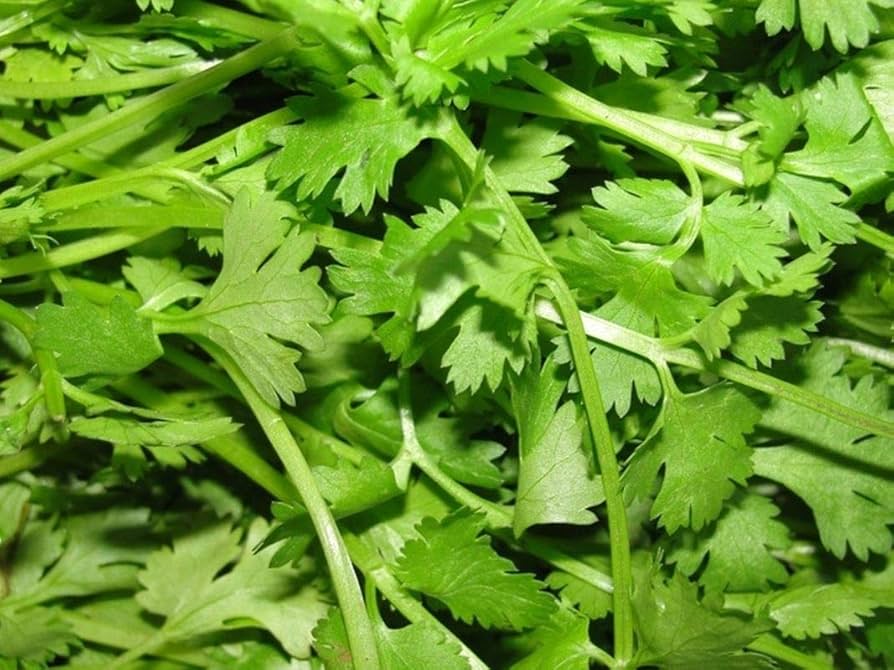
- Koriandri generally reaches a height of 1 to 3 feet and develops soft, feathery green leaves.
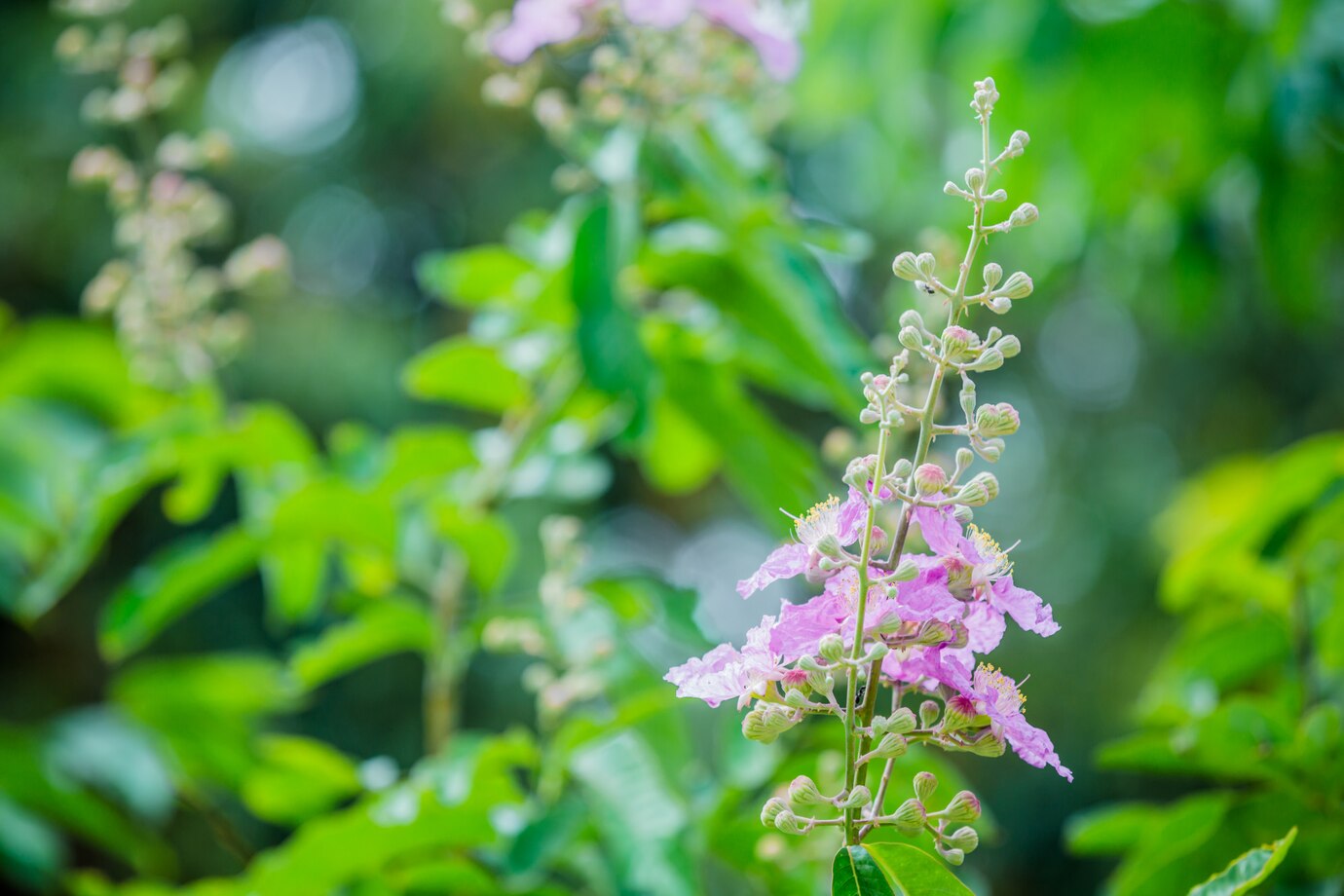
- It produces small white or pink flowers that grow in umbrella-shaped clusters.
- Once the flowering stage is complete, the plant forms coriander seeds, which are commonly collected and used in cooking.
Ideal Growing Conditions
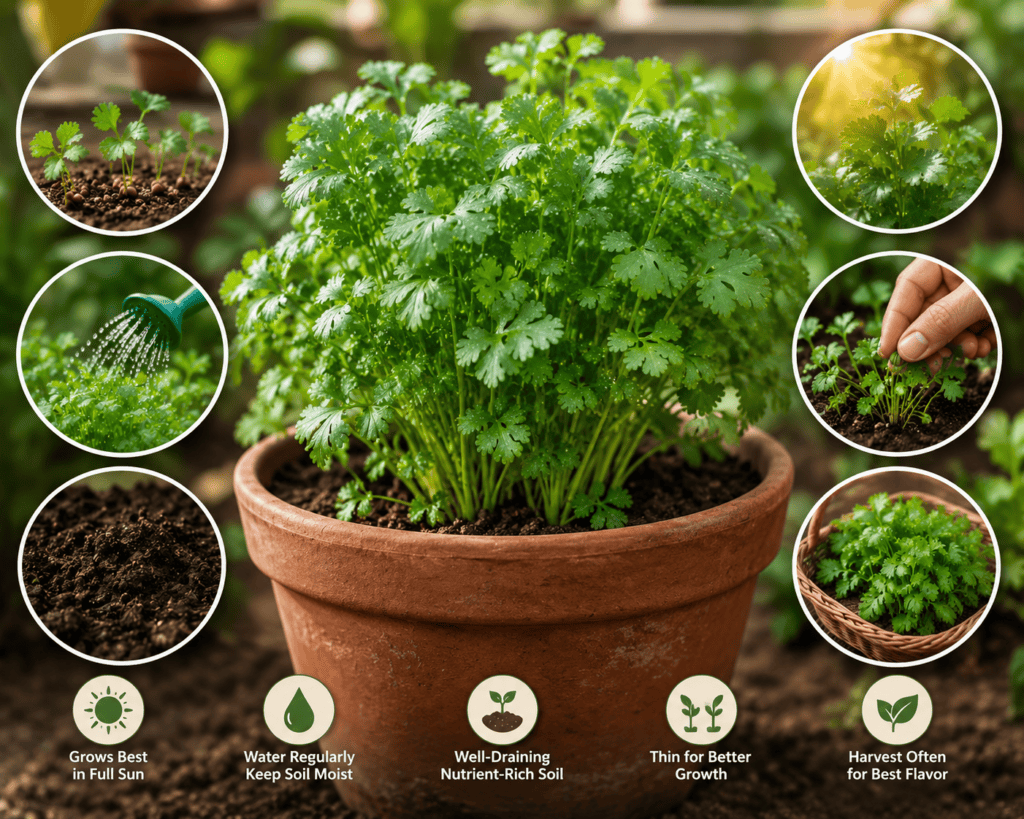
- Koriandri grows best in fertile, well-draining soil enriched with plenty of organic matter.
- The plant needs around 4–5 hours of direct sunlight each day.
- It performs well in cool weather, while excessive heat may cause the plant to bolt.
- Koriandri thrives in mild to moderate climates and does not grow as successfully in areas with very hot summer conditions.
Benefits of Growing Koriandri at Home
Culinary Benefits
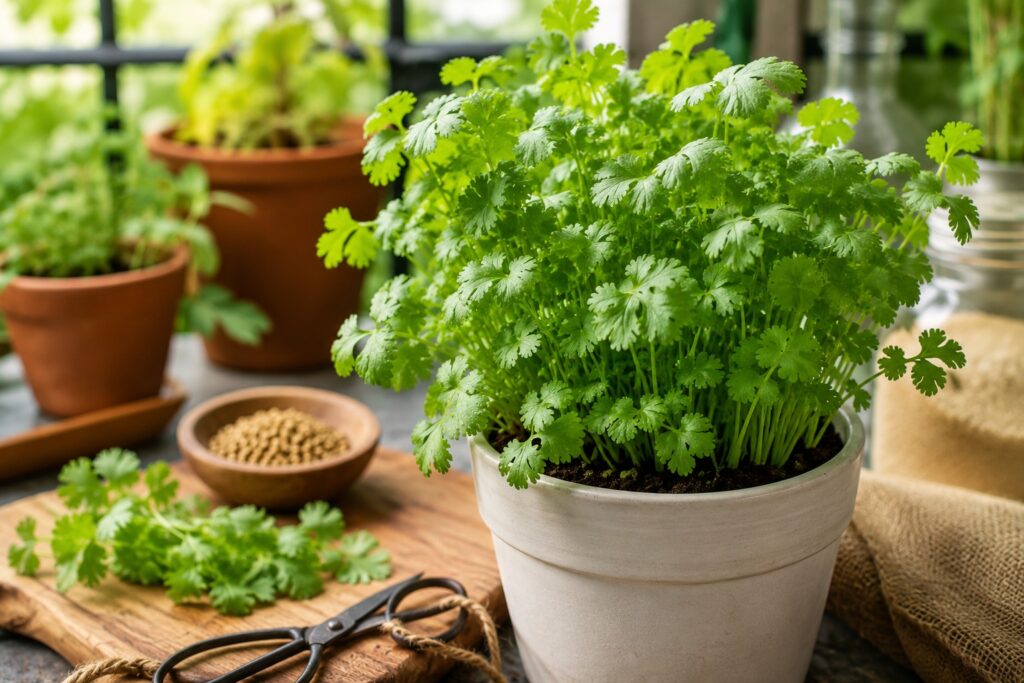
- The fresh leaves add a bright, tangy flavour to recipes such as curries, salsa, tacos, guacamole, and salads.
- The dried seeds bring a warm, aromatic taste to soups, stews, roasted meat dishes, and homemade spice mixes.
- Koriandri can be enjoyed fresh in salads, chutneys, and salsas or cooked in curries, soups, and a variety of savoury dishes.
Health Benefits
- Koriandri is a good source of vitamins A, C, and K, which support healthy skin, stronger immunity, and overall well-being.
- It contains natural antioxidants that may help reduce oxidative stress and support the body’s defence against inflammation.
- Some studies suggest that coriander may help maintain healthy blood sugar levels when included as part of a balanced diet.
- Koriandri contains compounds with antimicrobial properties that may help protect the body from certain harmful microorganisms.
Environmental and Economic Benefits
- Koriandri is a low-maintenance herb that is suitable for beginners, making it a cost-effective choice for home gardens.
- Its delicate flowers attract bees and other beneficial insects, helping to create a healthier and more productive garden environment.
Things to Consider Before Growing Koriandri
Location and Climate
- It is best to grow koriandri in mild weather with temperatures between 50°F and 85°F (10°C–29°C).
- The plant requires around 4–5 hours of direct sunlight each day. It can also grow well in partial shade, particularly during hot summer afternoons.
Soil Preparation
- Plant Koriandri in fertile, loamy soil that drains well and contains plenty of organic matter. Avoid overly wet soil, as excess moisture can cause root rot.
- If you’re growing Koriandri in pots, use a premium-quality potting mix that provides good drainage and proper airflow around the roots.
Soil and Container Requirements
Soil Requirements
- Nutrient-rich loamy soil is ideal for Koriandri because it retains enough moisture and allows excess water to drain away.
- Mix compost or other organic matter into the soil before planting to boost fertility and support vigorous growth.
Container Requirements
- Always use containers with drainage holes to prevent standing water and reduce the risk of root diseases.
- Fill containers with a well-draining potting mix that promotes healthy root development and adequate air circulation.
How to Plant Koriandri
Planting and Sowing
- Sow Koriandri seeds during early spring or autumn, when temperatures are cooler and more suitable for healthy growth.
- Plant the seeds about 1–2 inches deep and leave 6–8 inches of space between each plant to allow proper air circulation and development.
Germination and Growth
- Koriandri seeds usually sprout within 7–10 days.
- The fresh leaves are generally ready for harvesting after 3–4 weeks, while the seeds take around 8–10 weeks to fully develop and mature.
How to Care for Koriandri Plants
Watering
Keep the soil evenly moist in the growing season. Avoid overwatering, because soggy soil can result in root rot. Water the plant whenever the top layer of soil is dry. It provides enough moisture without leaving the soil waterlogged.
Fertilization
Feed Koriandri with organic fertilisers such as compost or well-rotted manure to improve soil fertility and support healthy growth. Apply a balanced fertiliser occasionally to supply essential nutrients and encourage strong plants.
Maintenance
Remove dried leaves and faded flowers regularly to promote fresh growth and keep the plant healthy. Harvest the leaves frequently, especially during warm weather, to reduce the chances of the plant bolting or flowering prematurely.
Harvesting Koriandri
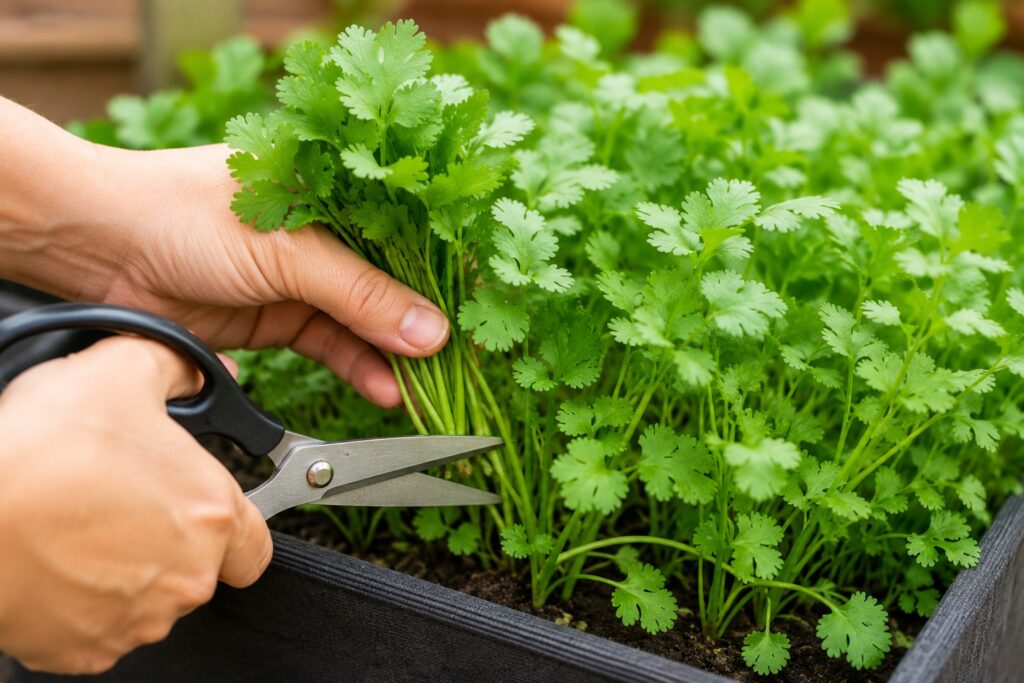
Harvest the leaves while they are fresh, tender, and about 6 inches tall. Cut the stems close to the base to encourage continuous regrowth and a longer harvesting period.
For seeds, allow the plant to flower and wait until the seed heads become dry and turn brown before collecting them. Gently shake the dried seed heads or cut them from the plant and allow the seeds to fall naturally.
Harvesting Techniques for Maximum Flavor
Best Time to Harvest
- Pick the leaves early in the morning after the dew has dried and before the day becomes hot. At this time, the essential oils are at their highest concentration, giving the leaves their best flavour.
- Use clean, sharp scissors or garden shears to cut the stems near the base. Avoid removing the entire plant so it can continue producing fresh leaves.
Harvesting Coriander Seeds
- Leave the seed heads on the plant until they become dry and develop a golden-brown colour.
- Gently shake the dried seed heads over a container to collect the seeds, or allow them to fall naturally if you want them to self-seed for the next growing season.
Storing Koriandri
Freezing Method
Finely chop the leaves, place them in ice cube trays, add water, and freeze. Once frozen, transfer the cubes to freezer bags for convenient use in soups, curries, and stews.
You can also spread the leaves on a baking tray, freeze them until firm, and then store them in freezer bags. While this method preserves the flavour, the leaves may become softer after thawing.
Drying Method
Drying is one of the best ways to store coriander seeds for long-term use. Spread the harvested seeds in a dry, well-ventilated place and allow them to dry completely over several days before storing them.
Keep the dried seeds in an airtight container and store them in a cool, dark location. For the best flavour, grind coriander seeds only when needed, as ground coriander gradually loses its aroma over time.
Culinary Uses of Koriandri
Fresh Leaves
- Add freshly chopped cilantro (fresh leaves) to salads, tacos, guacamole, salsas, and chutneys to give dishes a fresh, citrusy flavour.
- Sprinkle fresh cilantro over curries, soups, grilled meats, and rice dishes to enhance both flavour and presentation.
Coriander Seeds
- Use coriander seeds whole or grind them into powder for curries, stews, pickles, marinades, and homemade spice blends.
- Coriander pairs well with spices such as cumin, turmeric, chilli powder, and black pepper to create deeper, well-balanced flavours.
Global Popularity and Cultural Significance
Cultural Significance
In many parts of the world, Koriandri is associated with prosperity, fertility, and good luck, making it an important herb in various traditions. Koriandri is widely used in cultural celebrations, traditional recipes, and regional customs across different countries.
Cultural Variations
In Middle Eastern Cuisine, coriander is a common ingredient in spice blends used to season grilled meats, vegetables, and rice dishes.
In Asian Cuisine, Koriandri is an essential herb in many Asian recipes, including curries, chutneys, soups, and stir-fries, where it adds a fresh and aromatic flavour.
In Latin American Cuisine, fresh cilantro is a key ingredient in Latin American cooking, frequently used in salsas, tacos, guacamole, and a variety of traditional dishes.
Health Benefits and Nutritional Value
Nutritional Content
- Koriandri is an excellent source of vitamins A, C, and K, along with several B vitamins that support overall health and well-being.
- It also provides important nutrients such as iron, calcium, potassium, and dietary fibre, making it a nutritious addition to everyday meals.
Health Benefits
- Koriandri may help improve digestion, reduce bloating, and support a healthy digestive system.
- It is traditionally valued for its natural cleansing properties, which may help support the body’s detoxification process and ease occasional indigestion.
- Koriandri contains beneficial plant compounds, including flavonoids and polyphenols, which help protect the body from oxidative stress caused by free radicals.
- Its natural anti-inflammatory properties may help support overall health and contribute to lowering the risk of certain chronic conditions when consumed as part of a balanced diet.
How to Grow Koriandri Indoor Vs Outdoor
Indoor Gardening: Koriandri grows well indoors in pots placed on bright windowsills or under grow lights, provided it receives enough light each day.
Outdoor Gardening: It thrives in well-drained garden beds or raised beds where it can enjoy several hours of direct sunlight and good air circulation.
Additional Tips for Growing Koriandri Successfully
Companion Planting
Companion planting involves growing different plants together so they can support each other’s growth. Koriandri grows well alongside herbs such as basil, mint, and parsley because they have similar growing requirements.
Growing these herbs together offers several benefits:
- Herbs like basil naturally help repel common garden pests, such as aphids, reducing the risk of damage to Koriandri.
- Planting compatible herbs together allows you to maximise garden space while encouraging healthy growth.
- The flowers of these herbs attract beneficial insects, including bees, which help support a thriving garden ecosystem.
Companion planting is also an environmentally friendly gardening practice that helps reduce the need for chemical pesticides.
Managing Overgrowth
- Koriandri can become tall and leggy if it doesn’t receive enough sunlight. Regular maintenance will keep the plant healthy and productive.
- Trim the growing tips regularly to encourage a fuller, bushier plant and promote the production of more leaves instead of excessive height.
- If the plants become overcrowded, remove a few smaller stems to improve airflow and allow more sunlight to reach the remaining growth.
Extending the Growing Season
Season Extension
If you live in an area with cold winters or very hot summers, there are several ways to extend the growing season of Koriandri.
- In cooler regions, row covers or small greenhouses can protect Koriandri from frost, allowing the plants to continue growing for a longer period.
- Cold frames capture heat from the sun and provide extra warmth, helping Koriandri thrive during colder months.
In warmer climates, Koriandri tends to bolt quickly when exposed to high temperatures. To minimise this, sow the seeds in early spring or late autumn when the weather is cooler.
Bring Koriandri Indoors During Winter
Koriandri can be grown indoors throughout winter, giving you a steady supply of fresh leaves all year.
- Place the plant where it receives at least 4–5 hours of sunlight each day. If natural light is limited, use grow lights to provide the light needed for healthy growth.
- Keep indoor temperatures between 50°F and 70°F (10°C–21°C) to encourage steady growth and prevent stress.
Growing Koriandri indoors is an excellent way to enjoy fresh cilantro throughout the winter when outdoor growing conditions are less favourable.
Koriandri in Sustainable and Eco-Friendly Gardening
Water Conservation
Once established, Koriandri is relatively drought-tolerant, making it a great choice for sustainable home gardens.
Efficient Water Use: Although young plants need regular watering, mature Koriandri require less frequent irrigation. Growing it alongside other drought-tolerant herbs and vegetables can help reduce overall water consumption.
Use Rainwater: Collect rainwater in barrels or storage containers and use it to water your Koriandri plants. This simple practice helps conserve water and supports environmentally friendly gardening.
Natural Pest Control
Koriandri attracts beneficial insects that help maintain a healthy garden ecosystem and naturally reduce pest problems.
Companion Planting: Growing Koriandri with herbs such as basil or flowers like marigolds can help discourage harmful insects. Beneficial insects, including ladybirds and lacewings, also help control aphids and other common garden pests.
Organic Treatments: If pests become a problem, use organic solutions such as neem oil or insecticidal soap. These treatments effectively manage aphids and spider mites while remaining safe for the environment when used correctly.
Seasonal Care
Winter Care
Koriandri may need extra protection during winter, especially in regions that experience frost or freezing temperatures. If your Koriandri is growing outdoors in containers, bring the pots indoors before temperatures fall below freezing. Place them in a bright location where they receive enough light and continue watering as needed.
Cover garden-grown Koriandri with row covers or frost cloths to shield the plants from cold weather while still allowing sunlight and airflow.
Summer Care
High summer temperatures can cause Koriandri to bolt early and reduce leaf growth. During periods of intense heat, grow Koriandri in a location that receives afternoon shade or use shade cloth to protect the plants from direct midday sunlight.
Spread a layer of organic mulch around the base of the plants to help retain soil moisture, keep the roots cool, and reduce water evaporation.
Advanced Cultivation Methods
Hydroponic Growing
For gardeners who prefer soilless cultivation, Koriandri can be grown successfully in hydroponic systems.
Hydroponic Systems: In this method, the plant’s roots grow in a nutrient-rich water solution instead of soil. Hydroponics uses less water than traditional gardening and can encourage quicker, healthier growth.
Nutrient Solution: Use a balanced nutrient mix containing nitrogen, phosphorus, and potassium to support healthy development. For the best results, maintain the nutrient solution at a pH of 6.0–7.0.
Aquaponics Systems
Aquaponics combines hydroponic gardening with fish farming to create a sustainable growing system.
Sustainable Growing Method: In an aquaponic setup, fish waste supplies natural nutrients for the Koriandri, while the plants help filter and clean the water for the fish.
Suitable for Small Spaces: Aquaponic systems are ideal for balconies, patios, and urban gardens because they require little space and use water efficiently, making them an eco-friendly growing option.
Koriandri Varieties
Slow-Bolting Varieties
Some Koriandri varieties, such as ‘Slo-Bolt,’ are specially developed to resist early flowering. These are good choices for gardeners in warmer climates.
Cilantro vs. Coriander
Although they come from the same plant, the fresh leaves are commonly known as cilantro, while the dried seeds are called coriander in many parts of the world.
Cilantro has a fresh, citrusy taste that is ideal for salads and garnishes, whereas coriander seeds offer a warm, slightly sweet, and earthy flavour that is widely used in spice blends and cooked dishes.
Troubleshooting Common Issues
Bolting (Early Flowering)
Cause: High temperatures and irregular watering are the main reasons Koriandri flowers too early.
Solution: Grow the plant during cooler seasons and harvest the leaves regularly before flowering begins to maintain its best flavour.
Yellowing Leaves
Cause: Leaves may turn yellow due to overwatering, poor drainage, nutrient deficiencies, or insufficient sunlight.
Solution: Grow Koriandri in well-draining soil, provide adequate sunlight, and water only when needed. If the plant shows signs of nutrient deficiency, apply a balanced or organic fertiliser to restore healthy growth.
Rot Rot
Cause: Excess watering and poorly drained soil can cause the roots to rot.
Solution: Plant Koriandri in well-draining soil and water only when needed to keep the roots healthy and prevent excess moisture buildup.
Stunted Growth
Cause: Slow or stunted growth is often caused by overcrowding, poor-quality soil, or a lack of sunlight.
Solution: Thin out overcrowded plants to improve airflow and light exposure. Enrich the soil with compost or organic fertiliser to provide the nutrients needed for healthy development.
Pests and Diseases
Koriandri may be affected by aphids, whiteflies, and certain fungal infections. Treat infestations with natural solutions such as neem oil or insecticidal soap to protect the plant without using harsh chemicals.
Conclusion
Koriandri is a versatile and rewarding herb that brings both flavour and nutrition to your kitchen. Its fresh leaves and aromatic seeds are widely used in a variety of cuisines, while its nutritional value makes it a healthy addition to everyday meals. Easy to cultivate and suitable for gardeners of all experience levels, Koriandri grows well in gardens, containers, and even indoor spaces with the right care. By following proper planting, watering, and harvesting techniques, you can enjoy a continuous supply of fresh Koriandri throughout the growing season.
FAQs
1. Can I grow Koriandri throughout the year
Yes, you can grow koriandri year-round in regions with mild weather. In colder climates, it grows well indoors or in containers that can be moved to a sheltered location.
2. What are the different varieties of Koriandri?
Koriandri is available in several varieties, including slow-bolting types such as ‘Slo-Bolt’. The same plant produces both fresh leaves (cilantro) and coriander seeds, each with different culinary uses.
3. How long does Koriandri take to grow from seed?
Koriandri seeds usually germinate within 7–10 days. The leaves are generally ready to harvest in 3–4 weeks, while the seeds take around 8–10 weeks to mature.
4. What is the best way to store coriander seeds?
Store whole coriander seeds in an airtight container in a cool, dry place away from direct sunlight.
5. Why are my Koriandri leaves turning yellow?
Yellow leaves are commonly caused by overwatering, poor drainage, nutrient deficiencies, or insufficient sunlight. Check the soil moisture, improve drainage if necessary, and ensure the plant receives at least 4–5 hours of sunlight daily.
6. Can I grow Koriandri hydroponically?
Yes. You can grow in hydroponic systems, but make sure to provide a balanced nutrient solution and the correct pH level.
7. Is Koriandri safe for pets?
Koriandri is generally considered safe for dogs and cats when consumed in small amounts, but eating large quantities may cause digestive discomfort.
8. Which pests commonly affect Koriandri?
Common pests include aphids, whiteflies, and spider mites. Regularly inspect your plants and use natural treatments such as neem oil or insecticidal soap if needed.
9. Can I grow Koriandri in pots?
Yes. Koriandri grows very well in containers with drainage holes. Use a well-draining potting mix, place the pot in a sunny location, and keep the soil evenly moist.
10. Why aren’t my coriander seeds germinating?
Poor germination can result from old seeds, planting too deeply, unsuitable temperatures, or inconsistent watering. Use fresh seeds, sow them at the correct depth, and keep the soil lightly moist until they sprout.
11. What is the ideal soil pH for Koriandri?
Koriandri grows best in slightly acidic to neutral soil with a pH between 6.2 and 6.8, which supports healthy root growth and nutrient absorption.
12. How can I store fresh Koriandri leaves?
Fresh leaves can be frozen after washing and chopping them. You can also freeze them in ice cube trays with water or dry the leaves and store them in an airtight container for a longer shelf life.