Melons are a summer garden favorite because they produce plenty of delicious fruit. Their juicy flavor is perfect for eating fresh or adding to desserts and savory dishes. With the right care for your soil, watering, and feeding, you can grow lots of tasty melons in your backyard.
Learn our top tips to grow melons in your garden this summer!
Table of Contents
ToggleMelon Varieties To Grow
There are three primary types of melons:
Cantaloupe: ribbed, textured fruit with orange flesh that tends to perform well in cooler climates. Popular varieties include Charentais, Edonis, Ogen, and Sweetheart.
Honeydew: smooth-skinned melons with firm, pale yellow flesh that store well. A well-known variety is Magenta.
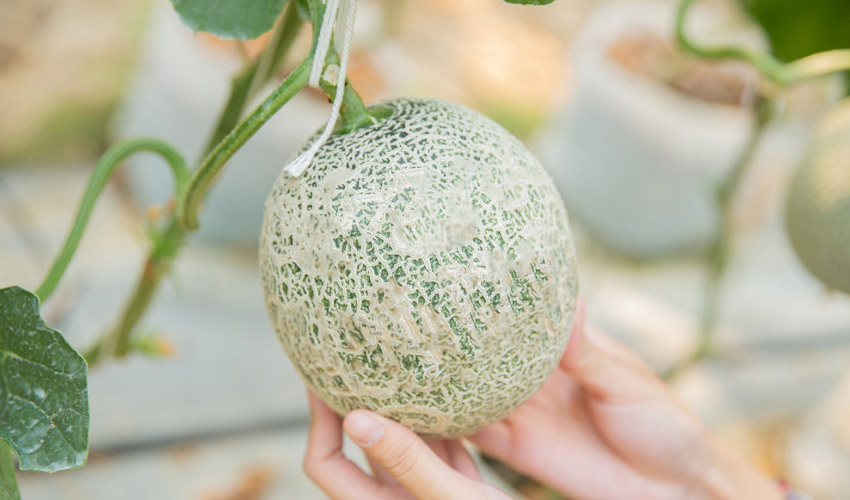
Musk: melons with yellow or green netted skin and flesh ranging from green to orange, best grown in a greenhouse or similar protected environment. Common varieties include Blenheim Orange and Early Dawn.
Best Soil for Growing Melons
That rich flavor has a source—melons require nutrient-dense soil to thrive. They are heavy feeders, and their fruit develops best in fertile conditions. Before planting, mix several inches of compost into the bed. Well-rotted poultry manure also works effectively, as it enriches the soil with nitrogen without damaging the plants.
Starting Melon Seeds Indoors
You can directly sow melon seeds into garden soil, but starting them indoors about a month before transplanting helps boost germination, reduces the risk of cutworm damage, and limits damping off.
Start the seeds indoors under grow lights, then move them outside after roughly three weeks. If you prefer direct sowing, plant them in the ground after the final frost. In both cases, make sure the soil temperature stays above 70°F. Space plants about 36–42 inches apart to give the vines enough room to spread, or place them 12 inches apart at the base of a strong, supportive trellis.
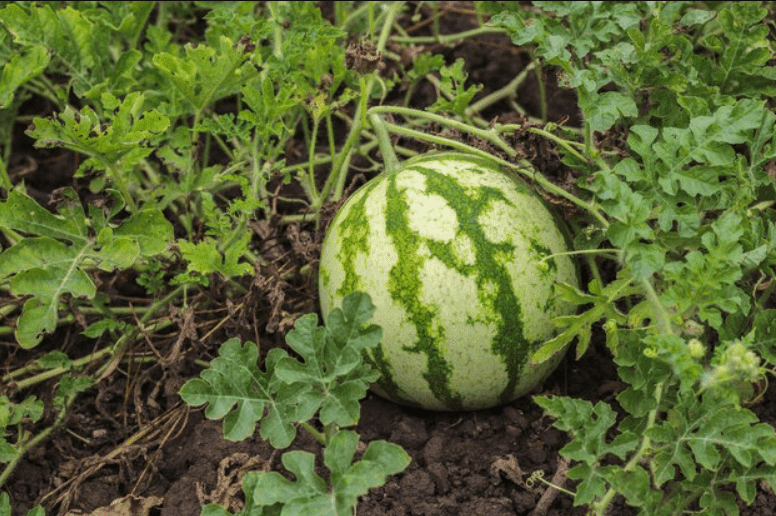
Growing melons on a trellis keeps the fruit off the ground, lowering the chances of rotting. If you grow them along the soil surface, place an overturned plant saucer under each developing melon to protect it from moisture and decay.
When To Fertilize Melons
Fertilize melons right after transplanting to support early growth. Provide young plants with a gentle nutrient boost without overfeeding or causing burn. Use a mild, balanced organic fertilizer.
How to Keep Melons Healthy and Productive
Watering
- Water deeply but not too often, about 1–2 inches per week
- Use a drip system, soaker hose, or water the soil carefully to keep leaves dry.
- Avoid sprinklers or spraying foliage with a hose.
- Always saturate the soil well during watering.
- Slowly cut back watering as fruits mature to enhance taste.
- Excess water in the final two weeks of ripening can cause fruits to crack.
Weeding
- Light, regular cultivation helps eliminate weeds early.
- Melon roots stay near the surface, so avoid deep or close cultivation.
- Use a hoe or hand tool just deep enough to cut weeds below the soil surface.
- Continue weeding until vines begin to spread across rows.
- Once vines spread, remove larger weeds by hand.
- If using mulch like straw or compost for weed control, apply it only after the soil reaches about 75°F, as early mulching can delay soil warming.
Harvesting Melons in the Garden
Pick at the right time. You should see the fruit get a little softer, the skin change color, the leaf closest to the stem shrivel up, and the stem where it meets the fruit get smaller.
Do the right thing when you harvest. Some melons, like honeydews, like to be cut, while others, like cantaloupes, like a little tug or “full slip.” Others, like Canary melons, need a strong push or “forced slip” to get them off the vine.
How To Store Melons
- Most melons can stay at room temperature for a few days.
- After that, refrigerate them until ready to eat.
- Storage needs are different for each type, so check the ideal temperature and humidity for each variety.
- Netted melons often require different storage conditions compared to smooth-skinned ones.
Problem Solving
Melons can be tricky to grow successfully. They are delicate plants that need warm conditions to germinate, grow, and produce fruit properly. They also rely on consistent watering, especially during flowering and when fruits start to develop. For better results, grow them in a greenhouse or polytunnel and select a variety that suits your local climate.
Melons belong to the same family as cucumbers, courgettes, and pumpkins, so they face similar issues, including mosaic virus. They prefer high humidity but can develop red spider mite problems if the air becomes too dry. Dry spells can also increase the risk of powdery mildew. Protect young plants from slugs and snails, as they can damage tender growth.