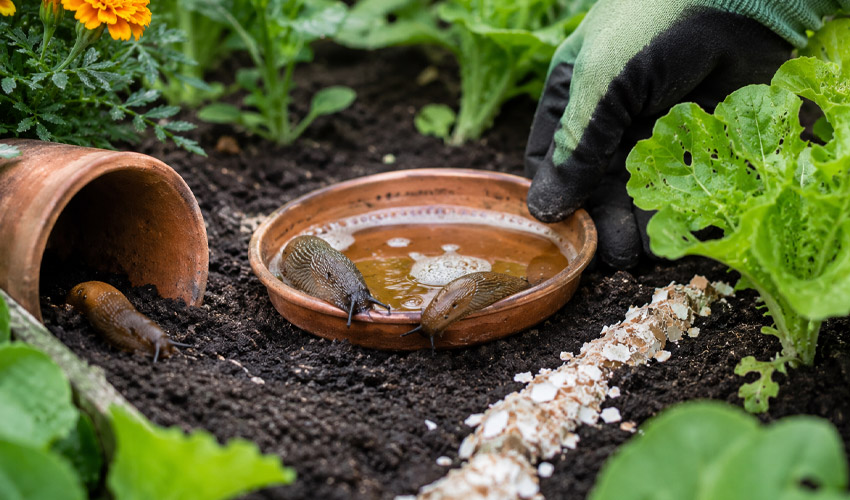
Slugs are one of the biggest problems in the garden. It feeds on garden plants and loves to eat soft, fleshy leaves and seedlings. Some of the species, i.e., netted field slug and brown soil slug, are enemies of plant material. It damages all plants, flowers, and fruits where they take their nutrients at night. It is usually seen in dry weather. We can monitor through their slime trails, damage sites, or making ragged holes with their mouthparts, mostly found in underground areas and clutches of gelatinous eggs under mulch. By monitoring these sites, slugs can easily capture and destroy them. If you have a garden, you must know how to get rid of slugs, and you want to place it in the right condition with a good ecosystem. Protect your plants, flowers, fruits, and vegetables from slugs, which are normally present in the garden environment.
Table of Contents
ToggleHow to Get Rid of Slugs
Many people worry about how to get rid of slugs in the garden. Here are the perfect solutions to remove or trap slugs from gardens.
Natural Solutions
It can be minimized by using natural solutions such as crushed eggshells, caffeine, garlic, sawdust around the seedling area, lime, and copper tape. Slugs do not like this; it damages their body.
Spraying Chemicals
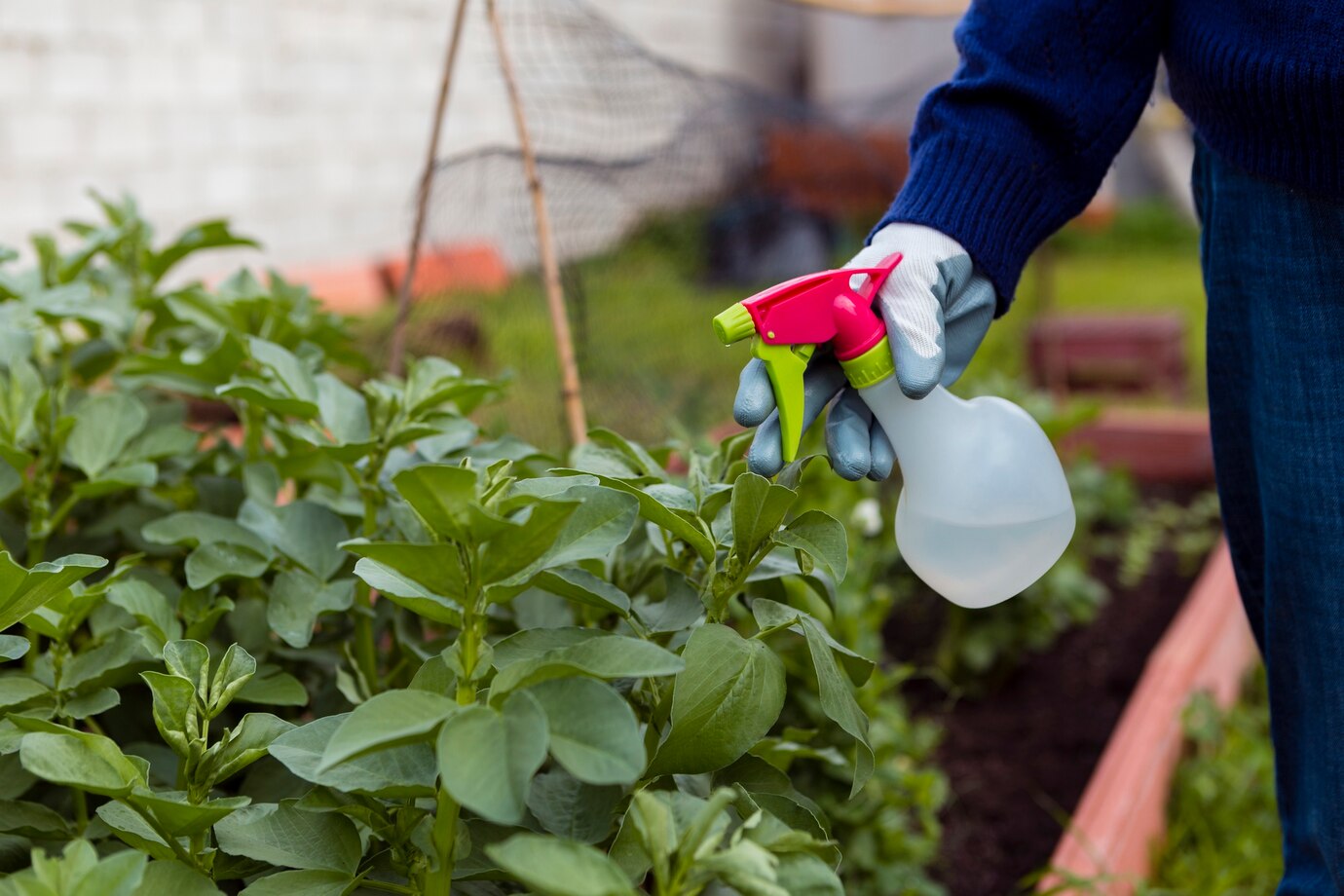
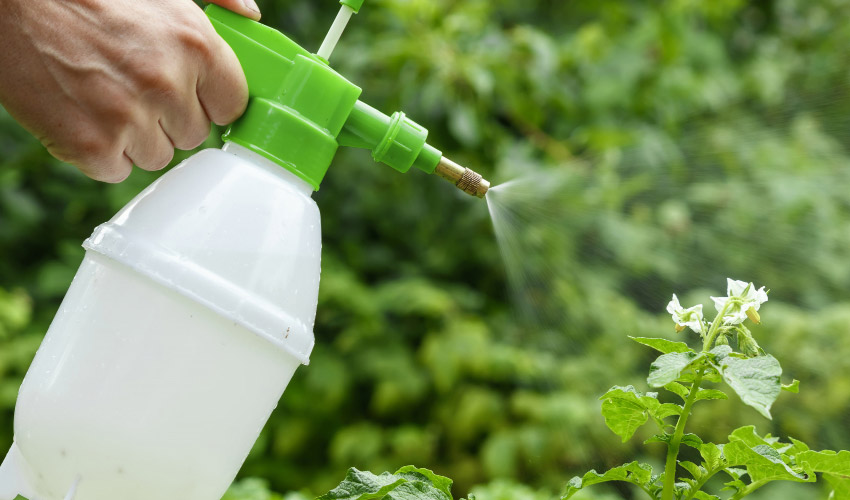
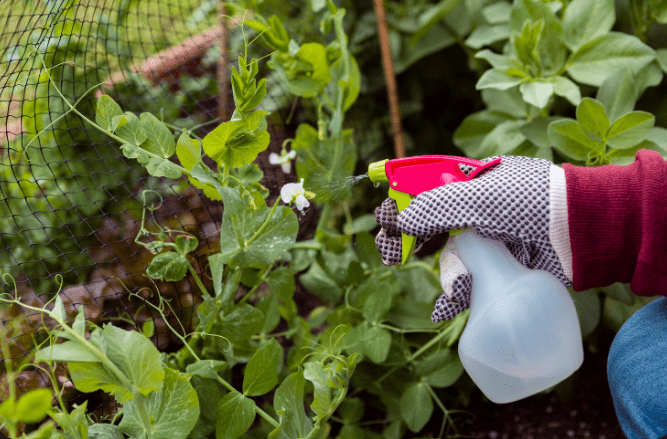
Different chemical sprays are available in the market to kill the slugs’ growth. This technique is beneficial to protect the plants from slugs. But these chemical sprays have certain adverse effects on plants, so you must read the chemicals used in the spray bottle that are not harsh before you purchase these chemical products.
Biological Control
Slugs can be destroyed by biological control such as Nemaslug- specific molluscs. It has no adverse effects on other predatory animals. It can be easily purchased from the market or garden area where it is commonly found. It enters into the slug’s bodies, infecting and killing them. The best time to apply is in spring to early autumn. To achieve the best results of biological control, you must apply it in the evening.
Prevent Breeding
Slug pests lay eggs under mulch, which is a good place for them to start breeding. Minimize, rearrange, or remove the breeding sites as much as possible, such as weedy patches, mulch, piles of pots, timber, and bricks, to prevent their breeding.
Natural Enemies
It is minimized by carabid beetles, predatory earwigs, birds, frogs, toads, hedgehogs, slow worms, ground beetles, and lizards. It is important food for these predators.
Beer Trap
Slug loves beer, place a dish of beer or a small jar or pots with beer to attract them. Collect all slugs and bury them. It is irresistible for them, easily captured by this technique. Check these jars and pots regularly to trap slugs and destroy them. In heavy rain or watering plants, beer can be diluted so that it no longer captures slugs. So it is necessary to refill the beer when it is needed.
Weetabix
Slugs also love to feed on Weetabix-type cereals, which are another option for slugs to eat. It is not resisting them. It is a cheap and effective brand placed between the crops or seedlings. It has two different techniques to collect slugs, seedlings with Weetabix, and Weetabix in conjunction with other techniques. It takes 2-3 days to work. You can place these Weetabix and leave them for a few days, then capture a slug on that site. It is not messy, just collect the Weetabix that are covered with slugs.
Hand-Picking
Monitor the area where slugs live during the day and night in your garden. Daytime slug is in its place, hiding them in the seedling munch, such as long grass, the sides of edges and boxes, under the edges of landscaping fabric, and at night time they come out and feed on plants. As a hunter works, pick up all slugs from the places where they hide during the daytime; go at night, get a torch, collect all slugs, and destroy them. Slugs can be destroyed by dropping them in a soapy water bucket. It is a time-consuming and messy process, but it is highly effective.
Ducks
It is the best predatory option to remove or control slugs from the garden plants. Ducks spend their days looking for slugs under the crops, plants, stones or downside area.
Slug-Resistant Plants
Choose those plants in your garden, such as woody plants and herbaceous plants, that are slug resistant plants.
Watering Time
You should water the plants in the early morning, that is the ideal time to minimize slugs breeding. Watering in the evening time provides ideal conditions for slugs’ movement at night.
Protect Seedlings
It can protect seedlings by rearranging the garden site or making a mini greenhouse or cloches, which are made from small pots and plastic bottles with holes in the bottom.