If you want to grow a citrus variety that stands out, the calamondin orange tree is a great choice. It’s simple to cultivate and only asks for minimal attention to thrive. In this guide, we’ll give you our top tips on how to grow a calamondin orange tree:
Table of Contents
ToggleAbout Calamondin Orange
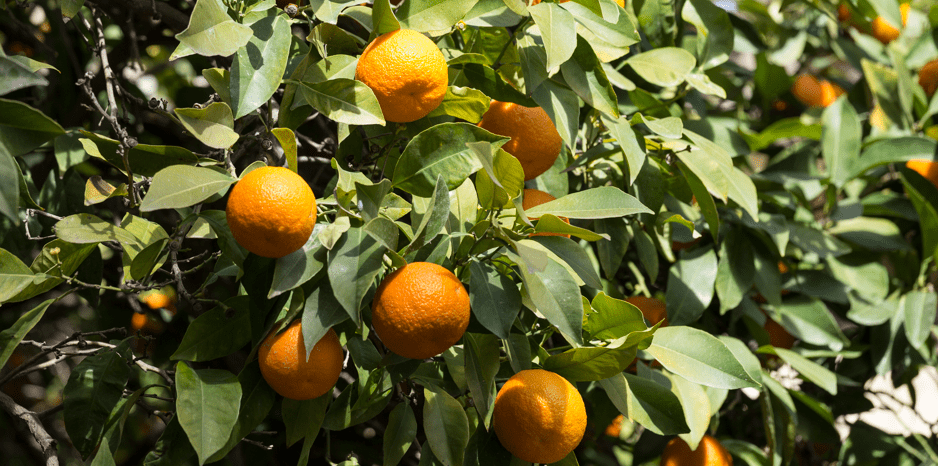
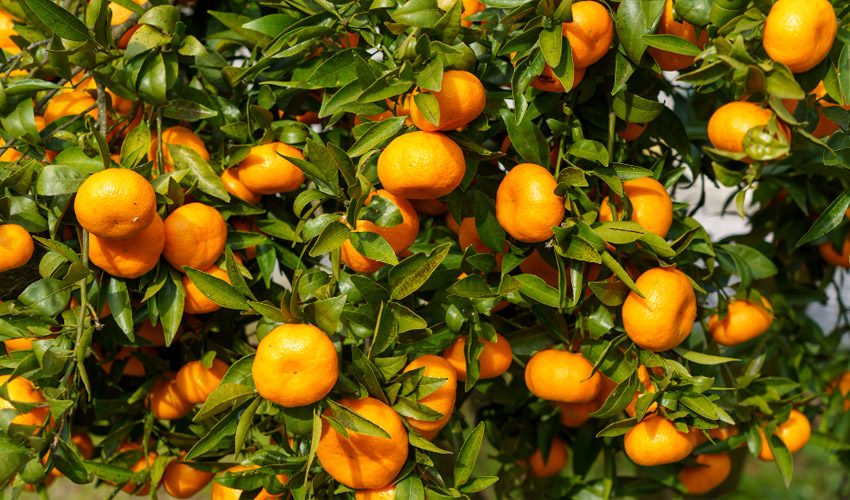
Calamondin, also known as calamansi or Philippine lime. It is a small, round citrus fruit that originates from the Philippines and other regions of Southeast Asia. This fruit is a natural cross between a kumquat and a mandarin orange, giving it a sharp, tangy taste similar to a sour mandarin or tangerine. Calamondin fruits are usually about the size of a golf ball, with a thin, tangerine-like peel and a juicy, tart pulp.
The fruit plays a key role in Filipino, Malaysian, Indonesian, and Thai cuisines, where cooks use it to add a bright citrus flavor to dishes, drinks, and condiments. You can quickly extract the juice by squeezing the fruit with your hand or using a citrus press. Under the right conditions, they flower and bear fruit year-round, making them both a reliable food source and an attractive ornamental tree.
How to Grow Calamondin Orange
Plant your calamondin orange in a terracotta pot and place it in a sunny, sheltered spot. During winter, move it indoors to a cool, bright area until the danger of frost is gone. Prune the tree in spring and provide weekly feeding throughout the growing season, which can extend into winter.
Planting Location
Among citrus trees, calamondin orange is one of the hardiest, tolerating temperatures as low as –5ºC. Even so, growing it in a pot is ideal, allowing you to control conditions and move it indoors or provide shelter during winter. Outdoors, place the pot in a sunny, sheltered spot, either in full sun or partial shade. Indoors, keep it in a bright, frost-free location with plenty of light.
How to Plant Calamondin Orange
Calamondin orange thrives in well-draining, slightly acidic soil. Choose a terracotta pot with proper drainage holes to prevent waterlogging. You can prepare your own soil using equal parts loam, leaf mold, and horticultural grit, or opt for a ready-made peat-free compost or citrus compost.
Calamondin Orange Tree Care
Calamondin oranges handle drought well, so it’s better to underwater than overwater. Water throughout the year, letting the top 10 cm of soil dry out between waterings. Feed with a specialist citrus liquid fertilizer—full strength in spring and summer, and half strength in autumn and winter.
If you don’t have a cool conservatory or frost-free greenhouse, bring your calamondin indoors. It tolerates the dry air in heated homes better than most citrus varieties. Still, it will benefit from occasional misting or being placed on a shallow tray of pebbles with a thin layer of water to increase humidity.
Each year, remove the top 3–4 cm of soil without disturbing the roots and replace it with garden or citrus compost (avoid general-purpose compost, which is usually too alkaline). Repot every three years in spring, moving to a slightly larger pot each time until it reaches a manageable size. Once mature, annual top-dressing and regular feeding become essential for healthy growth and fruiting.
Harvesting Calamondin Orange
Calamondin fruits begin to swell in December and take time to ripen, gradually turning more orange and sweeter as spring progresses. The fruit is mature when it feels soft, but for the best flavor, pick it earlier while it’s still firm and changing from yellow to orange. To protect the delicate skin, always use scissors or secateurs to snip the fruit from the branch.
Pruning Calamondin Orange
Calamondin trees can live over 50 years and reach up to seven metres in open ground. For container-grown trees, prune to control size (1–3 m), making it easier to move indoors for winter and access the fruit. Pruning also promotes flowering and fruiting on the remaining branches. Do this in spring by thinning the centre to improve light and airflow, removing thin, weak, or dried branches, and cutting any suckers at the base. Trim again in September to maintain the desired shape and size.
Propagating Calamondin Orange
Calamondin oranges can be propagated from softwood cuttings taken in spring. Select 20 cm healthy shoots free of flowers or fruit, strip away all but the top leaves, and place them in a pot filled with well-draining compost. Cover with a plastic bag or mini-greenhouse and place on a bright windowsill. Within about four weeks, new leaves should appear, showing that the cutting has rooted. At this stage, remove the cover and care for the young plant like an established tree, repotting as the roots develop.
Calamondin is also self-fertile and grows easily from seed. Leave a few fruits on the tree until they soften and turn deep orange. Extract the seeds, pat them dry with tissue, and plant them 2 cm deep in moist seed compost at around 15 °C. Seeds usually germinate within three weeks.
These trees grow quickly and can produce fruit within two years. In the early stages, thin the fruit to reduce quantity, allowing the plant to focus energy on developing fewer but larger fruits.
Common Calamondin Pests and Diseases
Calamondin trees are generally hardy and resist most pests and diseases. However, watch for spider mites, scale insects, and mealybugs, which can sometimes infest the plant. If you notice an outbreak, control these pests by spraying the tree with insecticidal soap, ensuring thorough coverage of leaves and stems.