
Are you searching for cool-season veggies to tuck into your garden this year? Many hardy vegetables can survive and even thrive in colder months, depending on the climate zone you live in.
Winter doesn’t mean your gardening has to pause. The key to harvesting more is simply stretching your growing season for as long as you can. Some crops appreciate a bit of winter protection, while others stand strong against frost once they settle in.
So, which plants deserve a spot in your winter garden? Let’s explore the top cold-weather crops you can grow this season.
Table of Contents
ToggleBest Vegetables to Grow in Winter
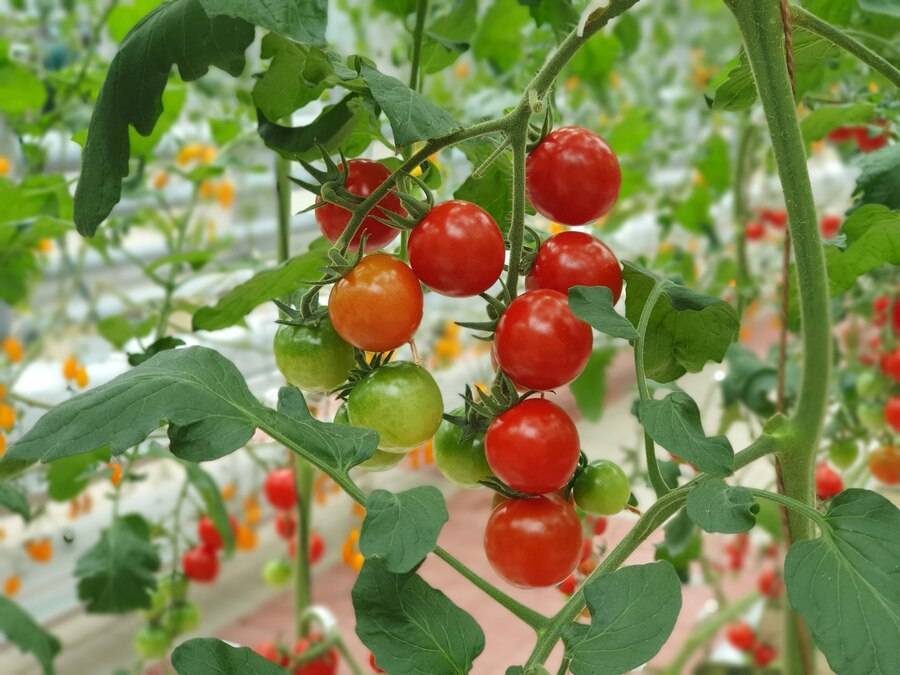
There are plenty of cold-hardy vegetables that thrive during the chilly months. We are not trying to grow warm-season crops like tomatoes, peppers, or basil in unheated spaces in winter. Instead, we turn to winter vegetables, such as leafy greens and root crops, because they handle low temperatures far better and stay productive when the weather gets cold.
Kale
No winter garden feels complete without a few hardy kale varieties. As temperatures dip in late autumn, Kale actually tastes sweeter. You can grow Kale in two ways: as mature plants for soups, sautés, and homemade chips, and as baby leaves for tender winter salads. Tall curly types with blue-green foliage work beautifully and stand up well to frost. Red-tinged varieties with soft, flat leaves also do great and are perfect when you want crisp kale chips.
Leeks
Leeks handle winter impressively well, and their flavor deepens after a few frosts. Many sturdy varieties stay firm and sweet even under snow. Plant them sometime between late winter and early spring. Direct sowing works well, though wait until the soil warms slightly. They mature around mid-winter, but you should thin the rows earlier by harvesting the young leeks. The smaller ones have a mild, delicate flavor, and thinning gives the remaining plants room to bulk up.
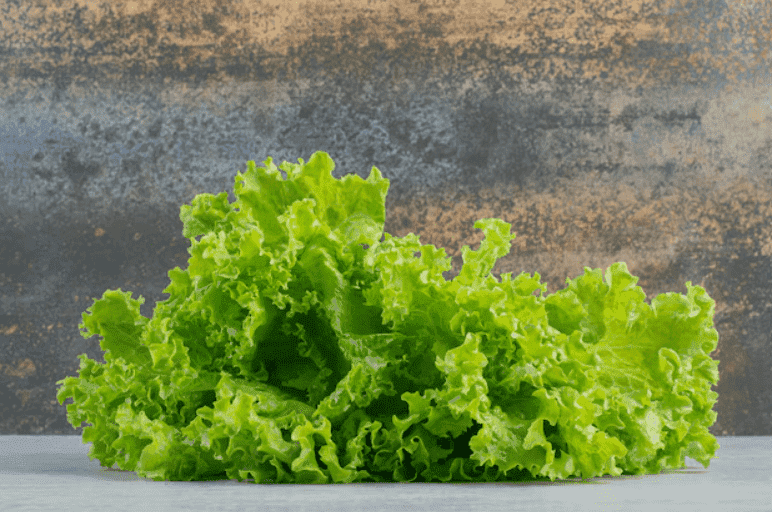
Lettuce
If you want to stretch your growing season, try starting some salad greens early. Lettuce responds especially well to this approach. Sprinkle the fine seeds into pots and lightly cover them with a very thin layer of potting mix. To keep humidity high and speed up germination, cover the pots with a clear sheet or a simple plastic bag. Let them sprout indoors on a bright windowsill or under grow lights. Once the seedlings are big enough to handle, move them into small trays. Lettuce grow best in a bright, sheltered spot until early spring, when the weather finally allows them to head outdoors.
Spinach
Spinach absolutely loves the cool, shorter days of autumn and keeps growing well into winter. Sow the seeds in covered spaces by mid to late September. You can also plant some directly in open garden beds. As temperatures drop, protect those outdoor beds with simple mini hoop tunnels covered in plastic. Many winter-friendly spinach types do well during this season, and you will definitely have great results harvesting fresh leaves all winter long.
Arugula
Arugula is a vegetable that can show you how rewarding winter harvesting can be, and it remains one of our go-to cold-season crops. You can grow two general types during winter: the faster-growing garden arugula with long, narrow leaves, and the slower but more cold-resilient wild arugula with deeply cut foliage and a stronger, richer taste. Sow arugula every couple of weeks starting in early September to keep a constant supply in cold frames and covered beds. Start harvesting in October and continue as long as the plants last. You can cut the leaves young for a mild flavor or let them grow larger for a bolder, peppery bite.
Mache
Often called corn salad or lamb’s lettuce, mache is one of the best vegetables to grow in winter. The plants form small rosettes that reach a few inches across, and you harvest them by slicing the stem right at soil level. After a quick rinse, the clusters make a delicate, flavorful salad green. If you sow mache directly in late summer, it tends to reseed itself easily — sometimes more than you’d expect — so pull out leftover plants in spring if you don’t want surprise patches popping up around the garden.
Turnips
Turnips often get mistaken for plain or unexciting vegetables, but they’re actually full of flavor when grown and harvested properly. Many early turnip types can be sown under light protection in early fall. Once the seedlings are large enough to handle, thin them out so the remaining plants have room to develop. Start picking every other turnip once they reach about the size of a golf ball. Both the roots and the leafy tops are useful — the greens go straight into salads or quick stir-fries. Pulling some early allows the rest to grow to a larger size, where they take on a deeper, richer taste that works beautifully in stews or mashed together with other root vegetables.
Garlic
Garlic is one of the easiest winter crops because it practically grows itself. You plant the cloves in autumn, spread a cozy layer of mulch over the bed, and then let the bulbs rest underground all winter. They sprout once spring warmth returns. Garlic grows on a different timeline than most vegetables: it needs winter cold to form a proper bulb and is harvested the following summer. Timing is important, though. Planting too early or too late can interfere with growth, so the ideal window is about two to four weeks before your first frost, or right after a light freeze if fall stays unusually warm.
Scallions
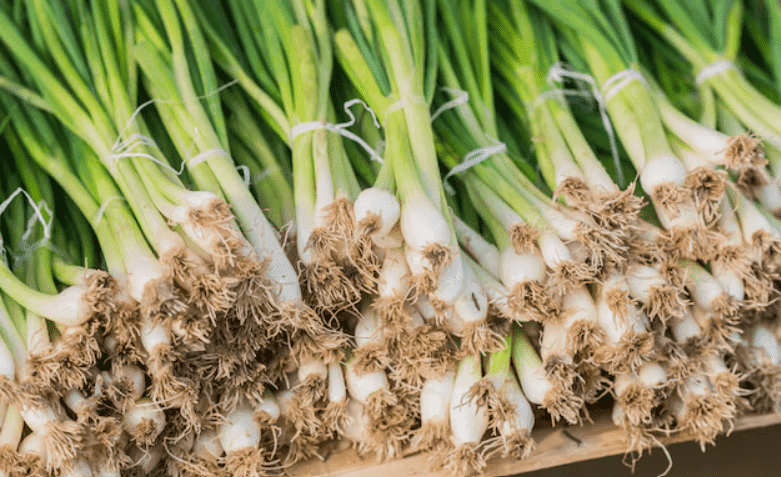
Also known as green onions, scallions are impressively cold-tolerant and handle freezing weather far better than many gardeners expect. Well-established plants can survive deep cold and overwinter reliably in moderate climates. Since overwintered scallions tend to bolt once spring arrives, it’s best to enjoy them steadily throughout fall and winter. Start them indoors by the end of the summer and transplant them when they reach about the thickness of a pencil. Good drainage is essential, so loosening the soil and working in some compost helps them settle in before winter. If you prefer not to start from seed, you can often buy small onion sets that grow quickly. As long as the soil isn’t frozen, mounding a bit of soil around the base gives them extra insulation and produces lovely, tender white stems.
Swiss Chard
Swiss chard, known for its stunning rainbow-colored stems, is one of the most beautiful vegetables to grow in winter. It’s related to spinach and beets, so it naturally enjoys cooler weather. Mature plants handle light freezes down to about 20°F (-7°C), though heavy snow can make the leaves soft or damaged.
Chard keeps giving all season long. When planted in late summer or early fall, it provides a steady supply of leaves — you simply pick the outer ones and let the center keep producing. Using a row cover can help extend your harvest deep into the colder months.