Mealybugs are among the most common pests you’ll find on indoor plants. These tiny insects harm plants by sucking out their sap, which leads to yellowing foliage, slowed growth, and sometimes the plant dying altogether. You can usually spot an infestation by the white, cotton-like coating they leave behind. Although dealing with mealybugs can feel stressful, you can still control and remove them with the right approach. To help you protect your plants from these sap-feeding pests, we gathered advice from our expert gardeners on how to get rid of mealybugs effectively.
Table of Contents
ToggleWhat Are Mealybugs?
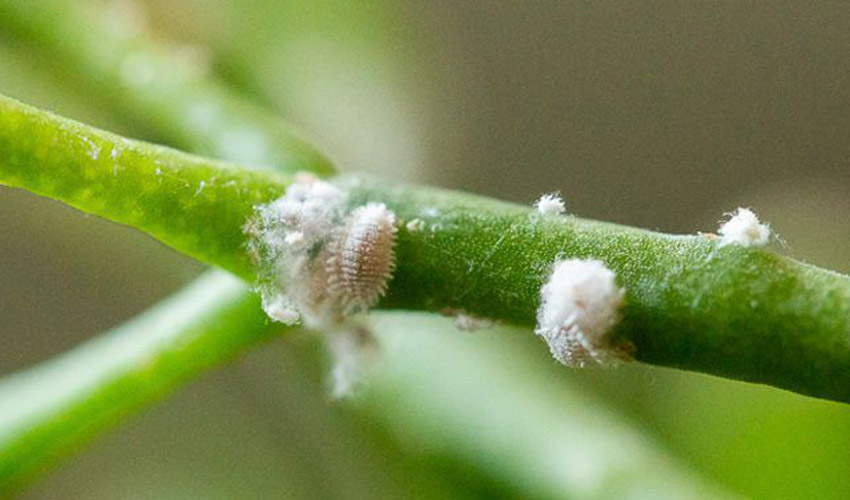
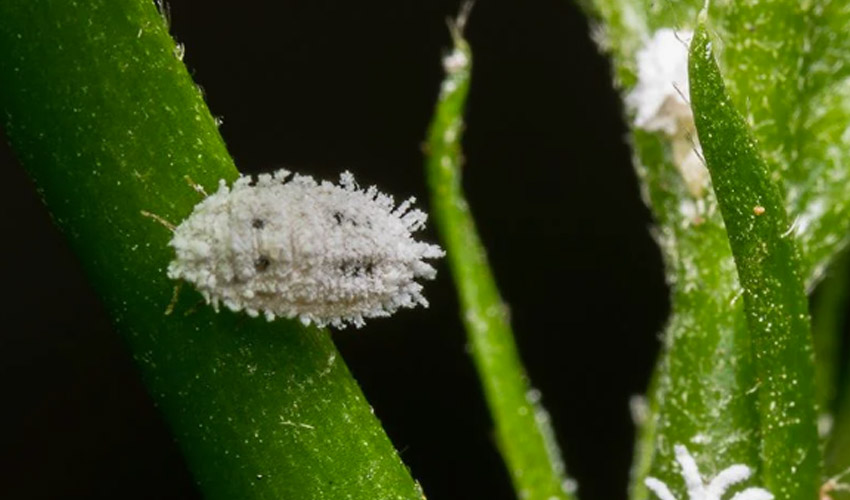
Mealybugs belong to the Pseudococcidae family and are easy to spot because of their white, waxy, cotton-like coating. These slow-moving, oval pests feed on plant sap, which weakens the plant and affects its overall growth. As they feed, they produce a sticky, clear substance known as honeydew. This residue often encourages the growth of sooty mold, a dark fungus that adds further stress to the plant and exacerbates its health issues.
How to Get Rid of Mealybugs
If you notice a white, waxy layer on your indoor plants and confirm it’s a mealybug problem, you can try the following methods on how to get rid of mealybugs:
-
Rinse the Mealybugs Off
Use a steady stream of water—either in the kitchen sink, bathtub, or shower—to knock the insects off your plant. This approach works well for mild infestations, but be careful with delicate plants that may not handle strong water pressure. Repeat the rinse whenever you see the pests return.
-
Apply Isopropyl Alcohol
Dampen a cotton ball with rubbing alcohol that’s 70% or less. Before treating the entire plant, test it on one leaf to make sure it doesn’t cause any damage. Then gently wipe the mealybugs with the cotton ball. The alcohol kills them on contact and removes the residue they leave behind.
Continue this process once a week until the plant is completely free of mealybugs.
-
Spray With Insecticidal Soap
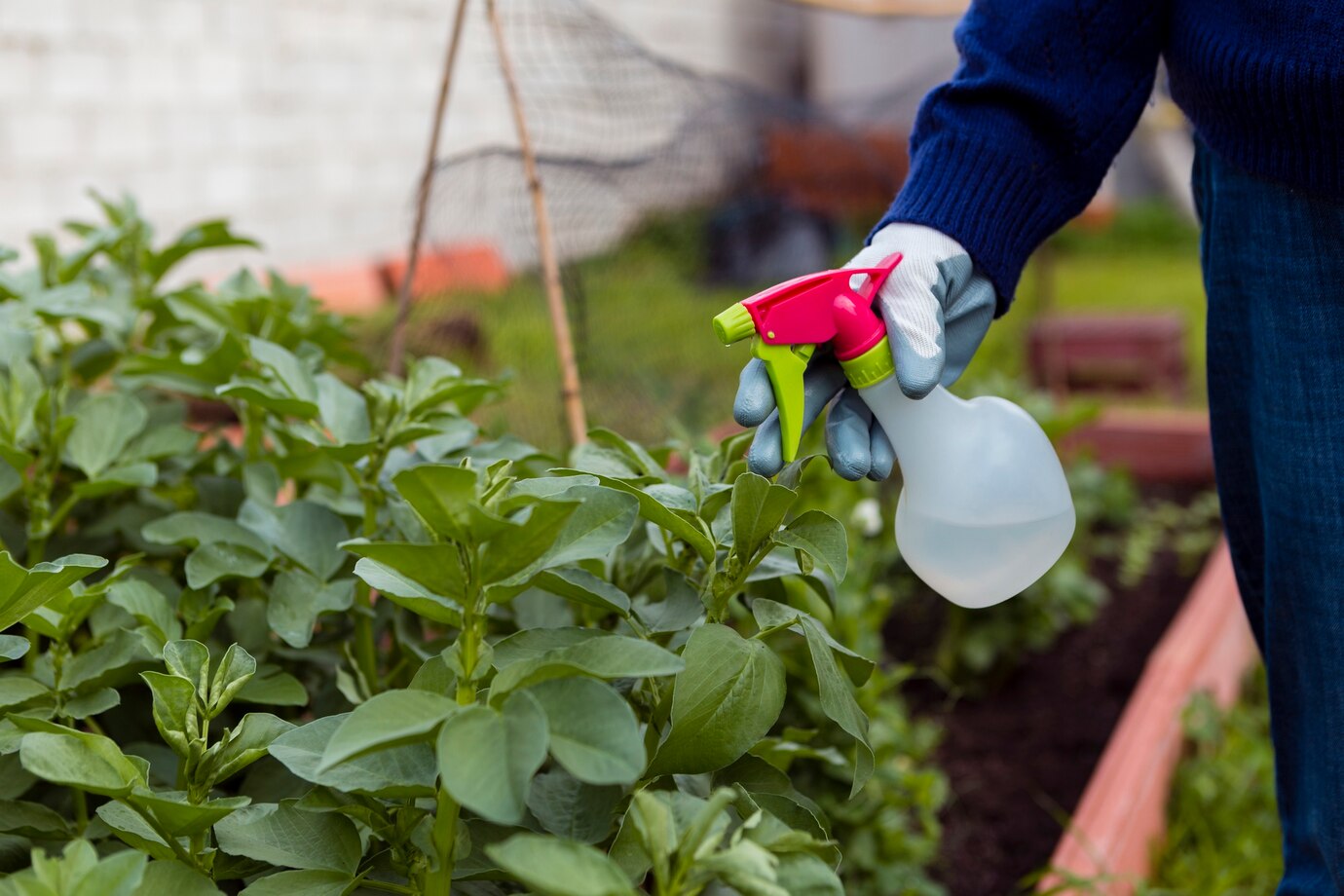
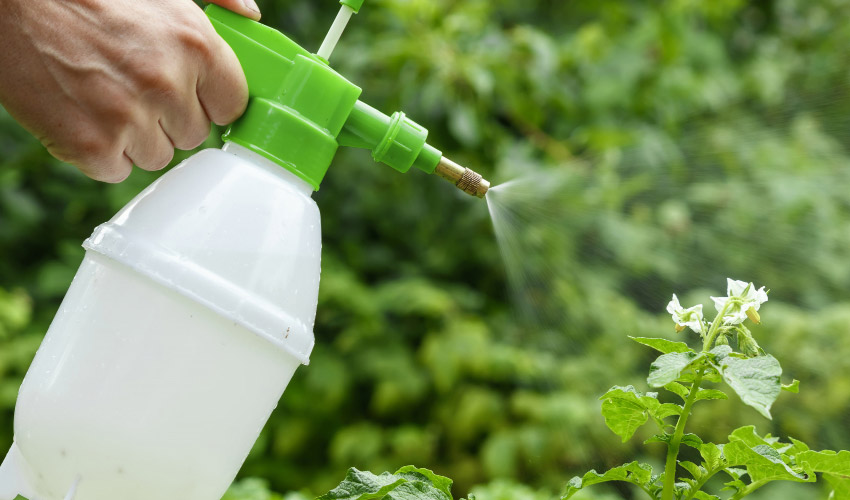
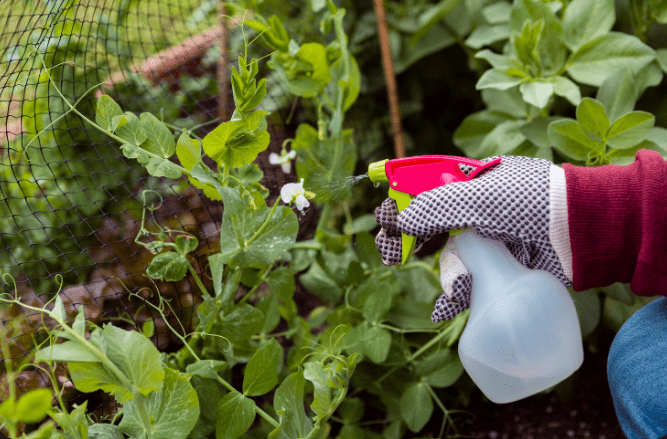
You can use insecticidal soap to control mealybugs, either as a store-bought product (preferably one without fragrances or harsh additives) or a homemade insecticidal soap by mixing one teaspoon of mild dish soap with 1 gallon of water.
Spray the solution all over the plant, especially the undersides of leaves where pests usually hide. Repeat the application every week or two until the mealybugs are gone.
Homemade and many commercial insecticidal soaps are safe for use on edible plants up to the day of harvest, but always wash the produce thoroughly before eating and follow any product instructions.
-
Use Neem Oil
Neem oil, a natural insecticide, can be combined with a gentle dish detergent and water (typically 1–2 tablespoons of neem oil and 1–2 teaspoons of mild soap per gallon of water, or follow the label instructions).
Apply the mixture in the morning or evening to avoid harming beneficial insects. Neem oil disrupts insect feeding, growth, and reproduction, and also acts as a repellent. According to regulatory guidelines, it is safe to use on vegetables, edible plants, and ornamentals.
Repeat the spray every seven days until your plants are free of mealybugs.
-
Introduce Beneficial Insects
Using predatory insects to control mealybugs takes the longest but offers a natural benefit to your garden. This method isn’t ideal if you have a severe infestation and need immediate results.
Insects such as lacewings, parasitoid wasps, and the “mealybug destroyer” beetle naturally feed on mealybugs. These predators are most effective outdoors or in greenhouse settings. To attract them, plant species that serve as hosts, or obtain them from reputable suppliers. Make your garden a welcoming habitat by providing food and shelter, and avoid using broad-spectrum pesticides that could harm these helpful insects.
-
Make a Homemade Insect Spray
You can create a natural insect spray using ingredients from your kitchen. Blend one garlic bulb, one small onion, and one teaspoon of cayenne pepper into a smooth paste. Mix this into 1 quart of water and let it steep for an hour. Strain the mixture through cheesecloth and stir in 1 tablespoon of mild liquid soap.
Spray the solution directly on areas where mealybugs are present, including the undersides of leaves. Reapply every few days as needed. You can refrigerate the mixture to keep it fresh for up to a week.
-
Set Up Mealybug Traps
Pheromone traps can help manage mealybugs, especially on outdoor plants. These sticky traps attract and capture insects before they reach your plants. Place traps in elevated areas, such as trellises, to catch winged males, and also on low stakes in the soil. Space the traps roughly 10 feet apart for best results.
-
Apply Chemical Pesticides as a Last Resort
Chemical pesticides should only be used when other methods fail. Broad-spectrum insecticides kill all insects, including beneficial ones, and may contain compounds that are harmful to humans. The waxy coating on mealybugs can also reduce the effectiveness of some chemicals.
Choose a pesticide labeled specifically for mealybugs and confirm that it is safe for indoor use if treating houseplants. Follow all label instructions for application, and repeat treatments as directed if the infestation continues.
Causes of Mealybugs
Mealybugs are commonly found on indoor plants and are particularly attracted to those with tender growth and high nitrogen content. This makes it important to avoid overwatering and over-fertilizing your houseplants.
Infestations often begin when a new plant carrying mealybugs is brought home and placed near other plants. These pests can hide in the roots and spread from plant to plant, feeding on new growth. Houseplants commonly affected include aglaonema, coleus, cactus, dracaena, ferns, ficus, hoya, jade, orchids, palms, philodendron, schefflera, poinsettia, and a variety of herbs.
How to Prevent Mealybugs
The best way to keep mealybugs away is to start with healthy, well-cared-for plants. Avoid bringing home plants that are weak, root-bound, or stressed. Always inspect new plants thoroughly for signs of pests before introducing them to your other houseplants.
Maintaining proper plant care also helps prevent infestations. Water and fertilize appropriately, and wipe the leaves regularly to keep them clean. If a plant becomes infested, isolate it immediately to prevent the mealybugs from spreading to nearby plants.