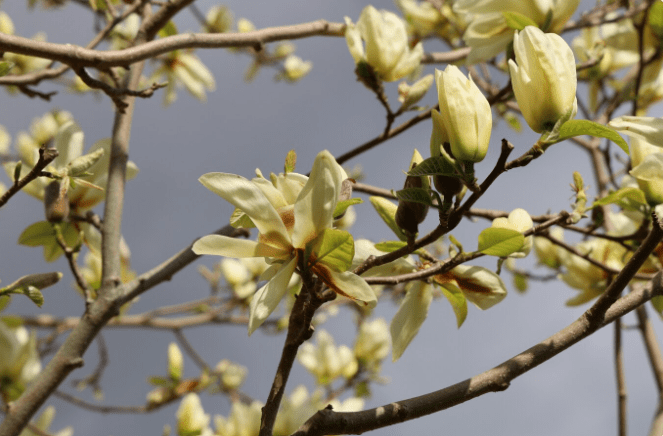
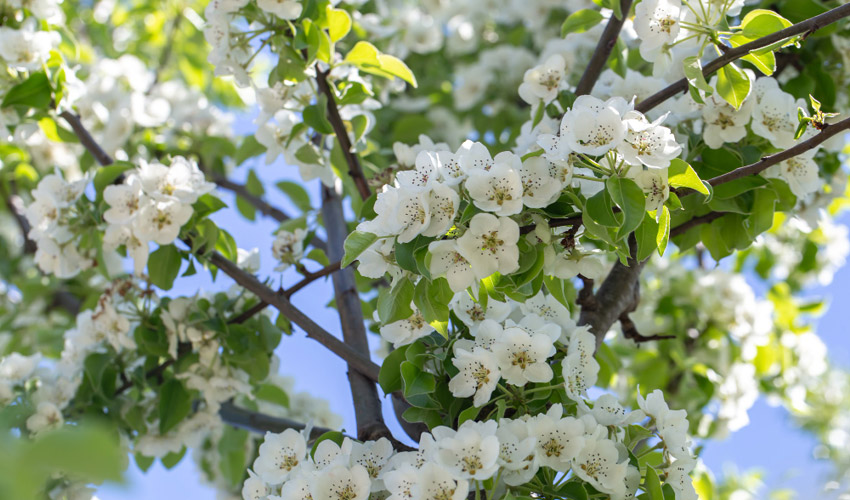
Choosing a tree for your garden means making a few important decisions. Think about what color flowers you like, if you want a tree that grows fruit, and how much space you have. All these details help you pick the right tree for your yard. One tree that checks many of these boxes is the dwarf flowering crabapple.
You might notice flowering crabapple trees more often once you start looking at landscaping ideas. Many people pick them because they look great, change with the seasons, and work well in different gardens. Like other fruit trees, crabapples need regular care to do their best. With a little effort and patience, you can grow a healthy, beautiful tree. This guide will show you how to grow and care for dwarf flowering crabapple trees so they thrive in your garden for years.
Table of Contents
ToggleWhy Choose a Dwarf Crabapple Tree?
Dwarf crabapple trees offer many advantages, which make them an excellent option for most gardens and home landscapes. Gardeners often choose these trees for their beauty, resilience, and overall value. Here’s why they are worth the care and attention they need:
Dwarf crabapple trees are great at attracting pollinators. When they bloom, their flowers produce lots of nectar that brings in bees and other helpful insects. You get beautiful flowers and help local pollinators at the same time.
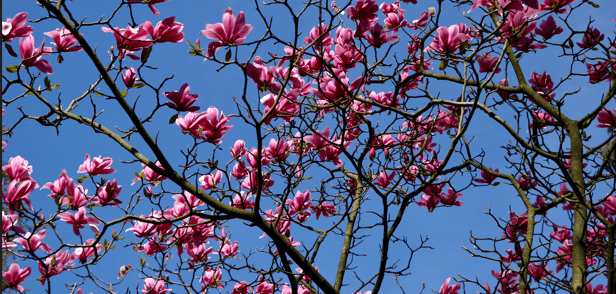
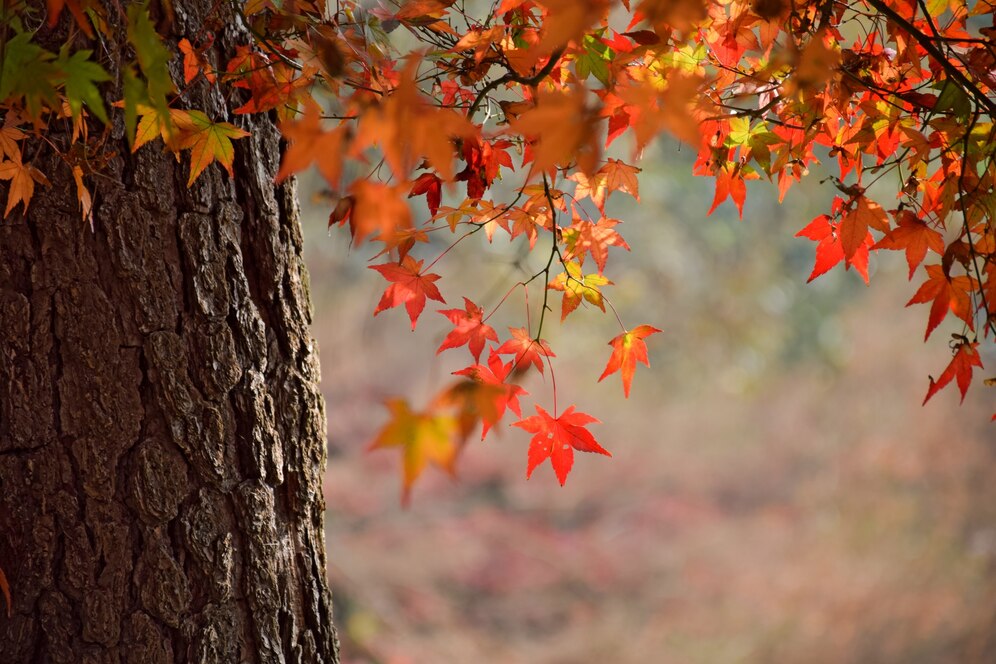
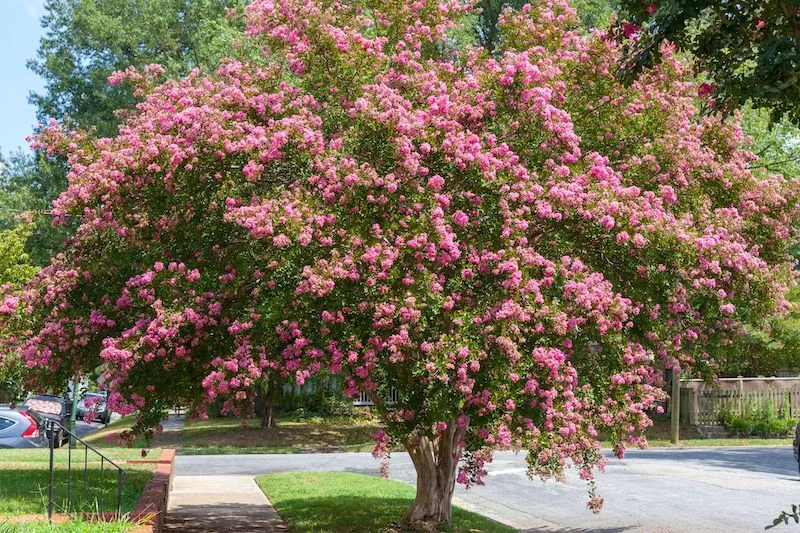
These trees stay visually appealing through most of the year. In spring, they burst into colorful flowers. Summer brings bright foliage and decorative fruit, followed by rich and varied fall colors. Even in winter, their branches look striking when dusted with snow.
If you grow another type of apple tree nearby, a crabapple tree can help with cross-pollination. Many orchard apple varieties rely on this process to produce fruit, and crabapples are excellent pollination partners.
Unlike traditional orchard apple trees that can be sensitive to soil and weather conditions, flowering crabapple trees are much tougher. They adapt well to different environments and need far less maintenance to stay healthy and thrive.
Planting a Dwarf Flowering Crabapple Tree
To successfully grow and care for dwarf flowering crabapple tree, proper planting comes first. Whether you purchase a tree with bare roots or one wrapped in a root ball, the planting steps remain mostly the same. Start by clearing the planting area of any grass or weeds. Then dig a hole wide enough to fully cover the roots or root ball, giving them enough space to settle and grow comfortably.
Sunlight Requirements
Most flowering crabapple trees thrive with plenty of sunlight, but they don’t need nonstop sun throughout the day. Aim to give your tree at least 6 hours of direct sunlight each day. While extra sun helps boost healthy growth, anything less than this can reduce flowering and fruit production. Without enough light, the tree won’t perform at its best or deliver the full visual impact you expect.
Space Concerns
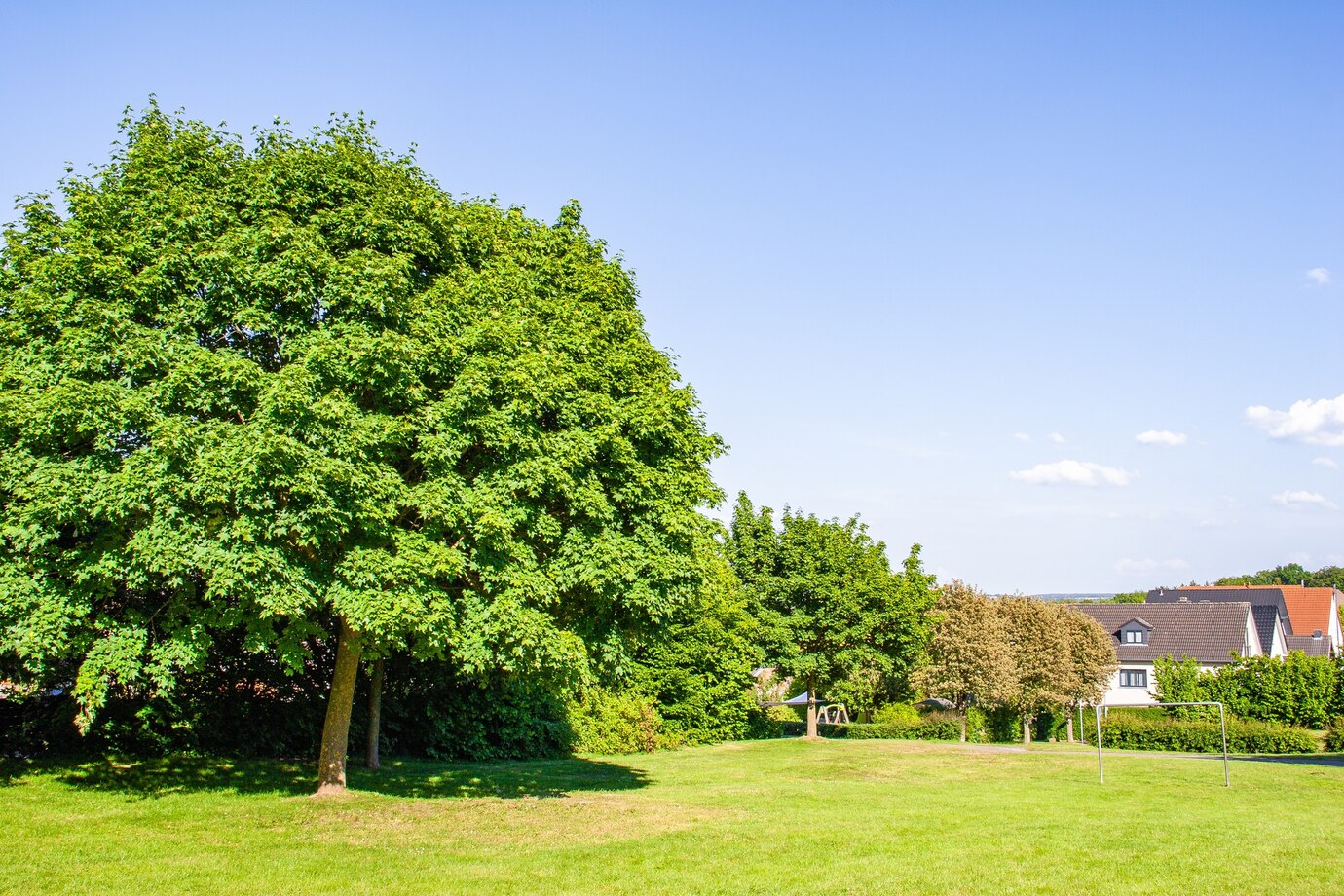
Crabapple trees grow in several varieties, and each reaches a different size at maturity. Before planting, learn how tall and wide your chosen variety will become. Planting too close to buildings, fences, or other trees can limit airflow and root expansion, which may slow growth and weaken the tree over time.
Soil Needs
Flowering crabapple trees grow best in slightly acidic, nutrient-rich soil. Healthy soil supports strong roots and long-term growth. Just as important, the soil must drain well. While regular watering matters, standing water can harm the roots. Poor drainage causes roots to sit in moisture for too long, which can lead to root damage and restrict the tree’s overall growth.
Caring for Your Flowering Crabapple Tree
As mentioned earlier, dwarf flowering crabapple trees don’t need constant attention or overly detailed care plans to stay healthy. These trees grow strong and resilient, and they can handle the occasional missed watering without serious issues. Still, following a few simple care practices helps your crabapple tree thrive, maintain its shape, and look its best throughout the seasons.
Fertilizer
Many gardeners wonder if crabapple trees need fertilizer. In most cases, they don’t—provided your soil has at least some natural nutrients. If you notice your tree isn’t growing as well as expected, you can enrich the base with a layer of compost to give it a gentle boost.
Watering Guidelines
Watering is most crucial during the first year after planting. Make sure to soak the entire root area deeply about once a week, ensuring the water reaches all parts of the roots. Once the tree is established, regular rainfall is usually enough, and extra watering is only needed during unusually dry periods.
Plant Pairings
Crabapple trees thrive when planted alongside companion plants. Herbs like coriander and fennel help attract more pollinators, while bulbs such as garlic and onions can naturally suppress weeds by occupying the space weeds would otherwise take.
Pruning
Unlike many other trees, crabapple trees rarely need frequent pruning. The main time to prune is after winter, when you can remove broken, dead, or weak branches. This helps the tree stay healthy and encourages strong, balanced growth in the growing season.