
As the weather shifts and summer starts to fade, September presents the ideal opportunity to prepare your garden for the cooler days ahead. With the soil retaining warmth and conditions still favorable for planting and cleaning up, it’s a great time to keep your garden healthy and flourishing well into autumn. Here are the key September gardening tasks to focus on this month.
Table of Contents
ToggleSeptember Gardening Tasks
Plant Spring-Flowering Bulbs
September is an excellent month to set spring bulbs like daffodils, crocuses, and hyacinths into the ground. Select a well-drained spot to give the bulbs the right start and encourage strong root growth.
For a more natural look, plant in sweeping drifts, and don’t overlook containers—pots are perfect for bringing vibrant color to patios and doorways when spring arrives.
A bulb planter can make the job much easier. Unlike a regular trowel or spade, it creates neat, uniform holes at the correct depth, helping bulbs grow evenly and bloom more reliably.
Enrich Your Soil
Autumn is an ideal season for enhancing soil health in your garden. Once you’ve cleared out fading vegetables and flowers, apply a thick layer of compost or aged manure over the surface. Work it into the top layer of soil with a spade, tiller, or garden fork, then smooth it out with a rake. If mulch is already in place, add the organic matter on top and turn everything in together.
To prevent soil erosion over winter, sow a quick-growing cover crop, such as annual ryegrass. It anchors the soil until spring, then naturally dies back, allowing you to dig it in for an extra boost of nitrogen.
Sow a New Lawn
Early autumn—especially September—is one of the best times to start a new lawn. The soil still retains warmth from summer, which encourages rapid seed germination. At the same time, seasonal rain helps maintain steady moisture, creating ideal conditions for young grass to establish a strong root system.
Select a grass seed that fits your needs, whether you want a durable lawn for family use or a finer, decorative type. By sowing in autumn, the grass develops strong roots before winter, resulting in a denser, healthier lawn when spring arrives. Depending on weather conditions, you can continue sowing through mid-October.
Enhance Your Landscape
September is also an ideal time for planting shrubs and trees. Many choices—such as hydrangeas, roses, and other flowering varieties. Before planting, research the types that thrive in your region and ensure they suit the available space. Remember, even a small sapling can grow into a full-sized tree that may overwhelm an area if planted too close to structures.
Prune Back Roses
September is the time to turn your attention to rambling roses. These old-fashioned varieties may be less common today—partly because they are prone to mildew—but if you have one in your garden, prune it right after flowering. Cut each spent flowering stem back to the base and train the fresh, vigorous shoots that emerge from the plant’s crown. Always use sharp secateurs or garden snips for clean cuts.
If your roses developed black spot toward the end of summer, take time to clear away all affected foliage, including any that has already fallen. Removing infected leaves prevents spores from overwintering and lowers the risk of spreading the disease to next year’s growth. Avoid adding diseased material to your compost heap.
Divide Perennials and Plant Shrubs
September provides ideal conditions for planting new shrubs and perennials or dividing established clumps. The soil remains warm enough to encourage healthy root development, while cooler air helps reduce transplant shock. Perennials, such as hostas, can be lifted and split to create new plants and prevent overcrowding. Use a spade or garden fork to divide clumps and replant them promptly, allowing them time to settle in before winter.
Bring Houseplants Indoors
If you haven’t done it yet, move your houseplants back inside before frost arrives. Rinse each plant gently with a spray from the garden hose to wash off dust and dirt, then inspect it carefully for any insects hiding among the leaves. Wipe the pots clean to remove soil splashes, let them dry, and place them on saucers once indoors to protect floors from excess water. Some plants may have grown vigorously over the summer and will benefit from a light pruning to keep them neat and manageable.
Clean Outdoor Spaces
September is the perfect time to give outdoor areas a thorough clean before the damp autumn weather sets in. Fallen leaves combined with moisture can encourage algae, mould, and lichen to grow on patios, decks, pathways, and furniture, making them slippery and unsafe. Scrubbing or pressure-washing these surfaces now keeps them safe and prevents long-term damage. It’s also a good time to tidy and store away summer items such as barbecues, garden furniture, and outdoor décor, protecting them through winter and making spring maintenance much easier.
Harvest and Feed Vegetables
September brings a generous harvest, with crops such as tomatoes, beans, squash, and apples reaching their peak. Pick fruits and vegetables regularly to encourage plants to keep producing. For tomatoes that are still ripening, continue to provide a liquid feed to support flavor development and extend the harvest as long as possible.
Plant Cool-Weather Crops
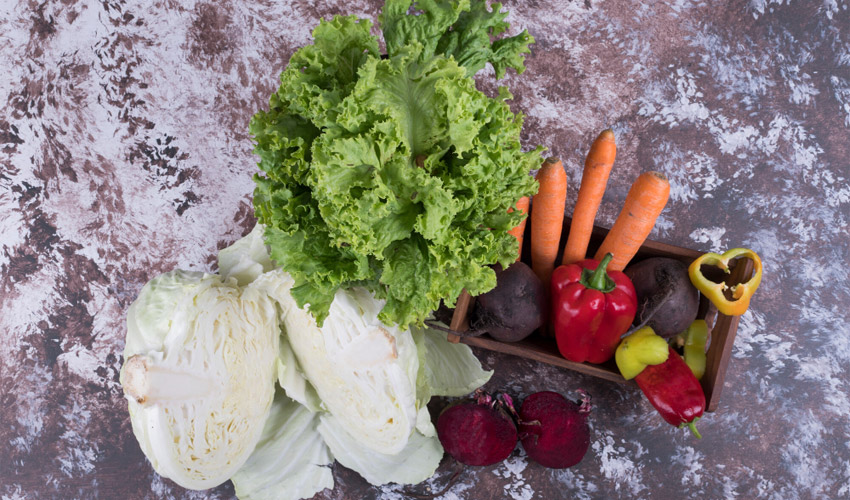
Early autumn is an excellent time to sow cool-season vegetables. Greens such as spinach and lettuce thrive in the cooler temperatures, growing steadily without the risk of bolting. Shorter days also enhance their flavor, giving you sweeter, more tender leaves. Radishes are another top choice for September planting, as they love the crisp fall weather and form crunchy, mild roots before frost sets in.