
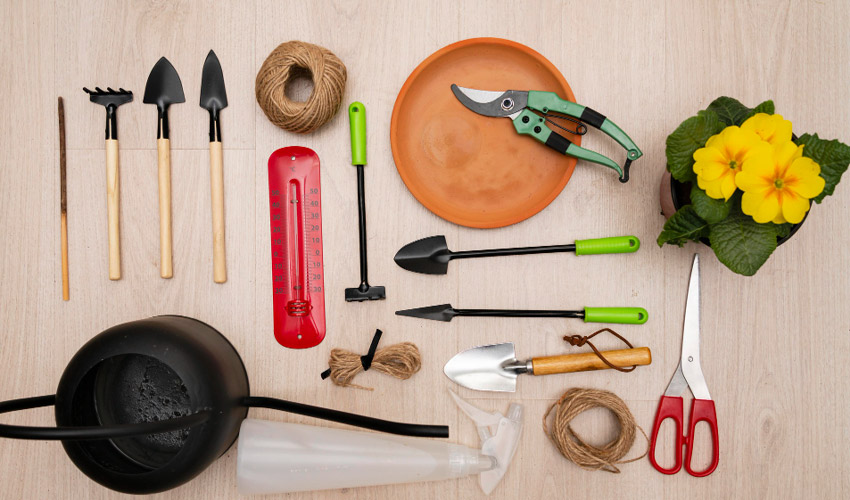
October marks the midpoint of spring, making it a busy and rewarding time in the garden. Start by removing any crops that have reached the end of their season and recycling them into the compost pile. Mulching the soil with homemade compost not only protects it but also enriches the ground for healthier growth in the coming year.
New growth is starting to emerge, with spring vegetables and flowers pushing through, making this the perfect moment to plant more. Doing so will guarantee a steady harvest of fresh produce, sweet fruit, and colorful blooms that continue well into summer.
Here are October gardening tips for a healthy garden. Put on your gloves and get started!
Table of Contents
ToggleOctober Gardening Tips
Plant Trees, Shrubs, and Roses
October is an ideal month to plant deciduous trees, shrubs, and roses. The mild weather encourages roots to establish quickly, and the soil is often easier to handle compared to the heavy, damp conditions of early spring. Dig a hole just a bit wider than the root ball, position the plant at the same depth it grew in its pot, then mulch and water well.
Divide Perennials
Certain perennials thrive when divided every few years. If left untouched, they may become crowded and start to decline from the center. Plants that respond well to division in October include lilies, hostas, peonies, daylilies, irises, poppies, and sedums. To divide them, carefully dig around the clump, lift it from the soil, and use a spade or sharp knife to separate it into smaller sections. Replant each division at the same depth as before, leaving enough space for healthy growth.
Plant Spring Bulbs
This is also the season to tuck in spring-blooming bulbs such as daffodils, tulips, irises, and crocuses. Larger bulbs should be placed about 8 inches deep, while smaller ones do best at 4 inches. For a casual effect, scatter the bulbs across a bed and plant them where they land. For bold displays, group bulbs in clusters or drifts of the same variety. Adding bulbs around perennial borders creates a striking effect, as they bloom just when perennials begin to wake from winter dormancy.
Store Pots for Winter
October is the right time to clean and put away ceramic or clay pots before the cold sets in. Leaving them outside in freezing conditions can cause cracks from repeated thawing and freezing. First, remove dead plants and empty the soil. Used potting soil can be spread across garden beds. Rinse the pots with a hose, scrub away any dirt or pests, and then disinfect with a mild bleach solution. Once dry, place them in a shed or garage where they’ll stay safe until spring.
Apply Mulch
Protect young plants through the colder months by covering them with mulch, especially during their first year in the ground. Spread a 4- to 6-inches thick layer of shredded leaves, straw, or bark over the crown of each plant to shield them from harsh temperature shifts. As spring arrives and plants begin to grow again, gently pull the mulch back and redistribute it across your beds to help suppress weeds.
Build a Compost Pile
October is also a smart time to begin composting if you haven’t already. Gather fallen foliage, weeds, and kitchen scraps to create a nutrient-rich soil booster. Smaller spaces can benefit from a purchased compost bin, while larger gardens can use simple DIY enclosures made from wood or concrete blocks. Alternate between green and woody materials, keep the pile slightly damp, and turn it occasionally to speed up the process and maintain its health.
Weed Thoroughly
Weeding in autumn is just as critical—if not more—than during the rest of the growing season. Many common weeds, including crabgrass, lamb’s quarters, and thistles, set seed in late summer and fall. If left behind, they’ll scatter seeds that create even bigger problems next year. Clear them out completely, even if frost has already ended the life of your flowers and vegetables.
Keep the Harvest Going
You can enjoy garden-fresh produce well into winter by giving cool-weather vegetables some protection. Spinach, Kale, Carrots, Lettuce, Arugula, Swiss chard, and Beets will continue to thrive when shielded from frost. Lightweight grow cloths let in light and rain while holding in warmth, and can be secured with pins or bricks. For more minor crops, glass or plastic cloches are ideal for protecting plants from freezing conditions.
Enrich the Soil
Since no garden soil is flawless, autumn presents a valuable opportunity to enhance its quality. Once your beds are dormant, spread compost, well-rotted manure, shredded leaves, or fresh topsoil over the surface. The richer the organic matter, the healthier your soil becomes. If conditions are dry, gently work the material into the upper few inches of earth. This ensures that by the time spring rolls around, your beds are ready for planting without the hassle of dealing with soggy ground.
Prune Perennials
Once the first frost has passed, many perennial plants respond well to being trimmed back. Cutting away old foliage makes it easier to prepare beds for spring bulbs or to add organic matter to the soil. Perennials such as irises, peonies, lilies, hostas, coneflowers, black-eyed Susans, and catmint can all be cut down to about 3–5 inches from the ground. Always use clean, sharp shears to snip away the withered leaves and stems. Avoid pulling them off by hand, as this can disturb or injure the plant’s root system.
Plant Flowers and Vegetables
In regions where frost is not a concern, October is an ideal month to add cool-season vegetables and flowers to the garden. Early to late October is an ideal time for planting crops such as kale, cabbage, collards, lettuce, carrots, mustard greens, onions, Brussels sprouts, cauliflower, beets, and garlic. This is also the season to introduce hardy blooms such as statice, stock, sweet peas, pansies, lupines, sweet William, dianthus, calendula, carnations, and snapdragons. These choices thrive in the cooler weather and bring both color and harvest to your garden through the season.