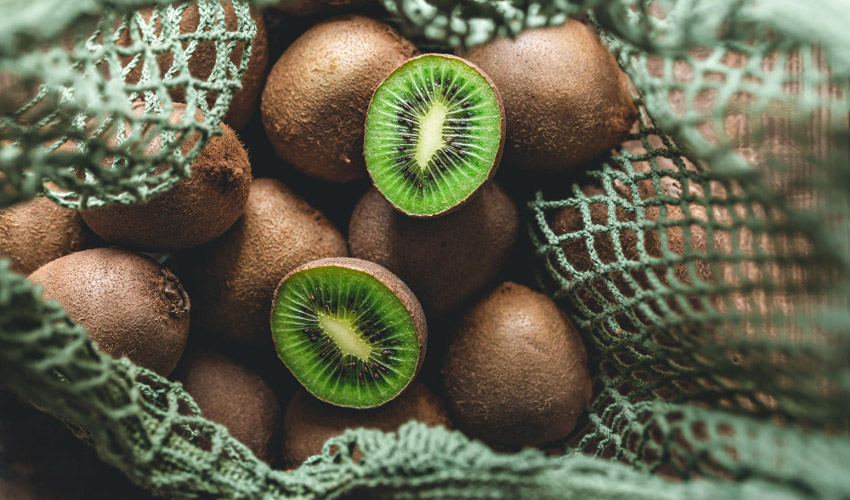
If you love growing your own fruit, and you already have blueberries, strawberries, or a couple of apple trees in your yard, consider adding something new. Kiwi can be a great choice. It’s easier to grow at home than most people expect—all you really need is a strong support structure and both a male and female vine. In this guide, we will walk you through everything you should know before planting Kiwi and share practical Kiwi growing tips to help your vines thrive.
Table of Contents
ToggleHow to Grow Kiwi Fruit
Plant kiwi vines in moist yet well-drained, slightly acidic soil where they can receive plenty of sunlight. They grow best in the ground, but you can also keep them in a spacious container. Because kiwis are heavy feeders, add a layer of mature compost or well-decomposed organic matter in spring, and give them a weekly feed that boosts flowering and fruiting during summer. You can start picking ripe fruit from late summer into early autumn.
Where to Grow Kiwi Fruit
Choose a warm, protected area for your kiwi plants. They prefer fertile, nutrient-rich soil with a hint of acidity, though they can still perform well in neutral ground. Keep the soil consistently moist, but make sure excess water drains away easily, as their roots can rot if left sitting in water. During hot, dry spells, give them additional watering to keep them healthy and productive.
How to Plant Kiwi Fruit
The ideal time to plant a kiwi vine is mid-spring, once the soil has warmed after the colder months. Prepare a wide planting hole and mix in a few spadefuls of mature organic matter. Set the plant at the same depth it was growing before, then install a strong support and loosely tie the existing shoots to it, giving them plenty of room to spread. If you’re planting both a male and female vine, leave a few metres between them so they have enough space to climb. If you’re limited on space, choose a self-fertile variety instead.
For container growing, use a peat-free, acidic potting mix and enrich it with compost or well-rotted organic material. Position the plant at the same height it was sitting in its nursery pot, refill with compost, firm the surface lightly, and water well so the soil settles. Add a sturdy frame, such as an obelisk, and secure the stems to it, leaving enough space for new growth. Pick a container of at least 30 litres to give the roots enough room to develop.
How to Train Kiwi Plants
A well-shaped kiwi vine develops a single main stem with permanent branches and fruiting side shoots. These vines respond well to espalier-style training on horizontal wires, where the central stem rises vertically, and the main branches spread out sideways. New shoots will sprout from these horizontal branches and eventually carry fruit. You can also guide kiwi vines up an obelisk or strong canes—the basic idea stays the same: establish one main trunk, then encourage branches and side shoots from it.
Choose the strongest shoot as your main trunk and secure it to the support at regular intervals. Next, encourage one main branch—called a cordon—on each side of the central stem. This works whether you’re training the plant along wires or upwards on a frame. Tie these cordons firmly and remove all other competing shoots. During the first winter, shorten the cordons to around 60cm. New fruiting shoots will grow from these and can be tied to the supports as they extend.
Each winter after that, prune back new growth so only about 60cm remains, until every cordon reaches roughly 2m in length. Once they hit that size, trim them back to 2m each winter to keep the structure balanced.
Summer pruning is just as important. Tie in any new growth, remove overly vigorous shoots coming from the main trunk or side branches, and cut out thin, crossing, or damaged stems. Keep the plant open so air can move freely around it. After the fruits begin to form, pinch back side shoots so they carry only four to five leaves beyond the developing fruit.
Kiwi Plant Care Tips
Even though kiwis seem like a tropical treat, they’re surprisingly simple to maintain. Give them deep, regular watering during their first couple of years so they establish well. After that, water them only during dry spells, as consistent moisture tends to encourage better fruiting.
Add a layer of mature compost or well-rotted organic matter in spring to enrich the soil and support healthy growth.
During summer, you can give your plants a weekly feed that boosts flowering and fruit production. This isn’t essential if your vines grow in rich garden soil, but it makes a big difference when they’re growing in containers.
From late winter into early spring, shield young shoots from sudden frosts, as new growth can be easily damaged. Use breathable coverings—like fabric or garden fleece—to drape over the branches during cold nights.
Lastly, follow the proper pruning routine to keep your vines productive and well-shaped.
Common Pests and Diseases
Kiwi plants are generally hardy and don’t face many serious pest or disease issues. Still, it’s useful to watch for a few common problems:
Leaves
Leaf drop often happens when the plant experiences drought or harsh, drying winds. Plant your Kiwi in a protected spot and water deeply during dry stretches to prevent this.
Yellowing leaves usually indicate a nutrient deficiency. Give the plant a balanced feed and refresh the soil each year with a layer of compost or well-aged organic matter.
Frost damage can affect young shoots in early spring. Protect new growth during cold snaps by covering the vines with breathable fabric or a light frost cloth.
Roots
Fungal issues, including root rot and honey fungus, can develop in poorly drained soil. Make sure your kiwi vines grow in ground that drains well so moisture doesn’t sit around the roots.
Harvesting Kiwis
Kiwi vines take a few years, usually around four, to start producing fruit, so think of them as a long-term addition to your garden. Once they begin fruiting, they tend to give reliable harvests every year, as long as the soil stays fertile and you water them during dry weather.
Kiwis need a warm, extended summer to ripen properly on the vine. If they stay firm and don’t fully ripen outdoors, pick them anyway and let them soften indoors over the next few weeks.
Gather the fruits from late summer into early autumn, typically around August and September. After picking, leave them at room temperature until they reach the sweetness and softness you prefer.
Storing Kiwis
Keep unripe kiwis in a cool, dry place or refrigerate them for up to three months. To speed up ripening, simply leave them out at room temperature. If the fruits are already ripe, store them in the crisper drawer of your fridge, where they’ll stay fresh a little longer than they would on the counter.
You can freeze kiwis, but the texture changes once thawed, so they’re best used in smoothies. Peel and slice the fruits, spread the slices in one even layer on a tray lined with parchment paper. freeze for a few hours, then transfer them to an airtight container. They’ll keep for about three months.