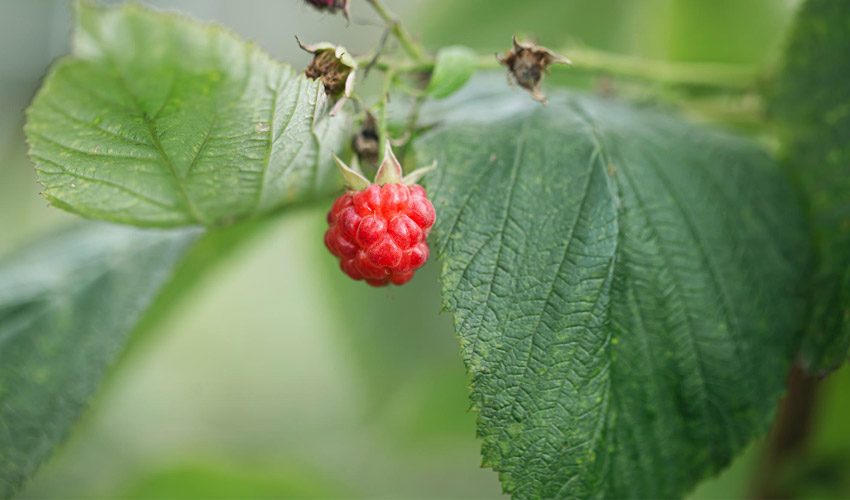
There’s nothing quite like a bowl of sweet, freshly picked raspberries in summer. These tasty berries are simple to grow in a sunny spot, and if space is limited, they can even thrive in pots. Enjoy them fresh during the warmer months, or freeze them to use in winter desserts like pies and tarts.
Raspberries fall into two main types:
Summer-fruiting raspberries: These produce fruit on last year’s canes. They tend to be taller and usually need support with stakes.
Autumn-fruiting raspberries: These fruit on the current year’s growth, are generally shorter and less vigorous.
By growing both types, you can enjoy a continuous harvest of fresh raspberries from late June through to October.
Table of Contents
ToggleRaspberry Varieties
Raspberries are classified as either summer-fruiting or autumn-fruiting. Autumn-fruiting types are often recommended for beginner gardeners because they are less affected by pests and easier to prune.
Popular summer-fruiting varieties:
Chilcotin: Medium-sized berries with a small second crop in autumn, red in colour.
- Chilliwack: Mid to dark red berries, nearly thornless canes, small autumn crop.
- Nootka: Bright red, medium-sized berries, minimal autumn crop.
- Willamette: Small to medium dark red fruit, ripens in mid-summer.
Popular autumn-fruiting varieties:
Autumn Bliss: Compact variety, perfect for container growing.
- Heritage: Produces fruit from late summer into autumn; strong canes, berries gradually become smaller.
- Caroline: Mid to deep red berries, fruiting over an extended period from late summer to autumn.
How to Grow Raspberries
Raspberries grow best in moist, well-drained, slightly acidic soil (pH 5.5–6.5); if the soil is alkaline, growing them in pots is a better option.
- Plant dormant raspberry canes in winter in a sunny, sheltered spot, spacing canes about 50 cm apart with rows 1.5–2 m apart.
- Clear the soil of weeds, then work in plenty of organic matter to improve it.
- Set up support by placing sturdy posts about 2.4 m high at the ends of each 2–3 m row and stretch three rows of heavy-gauge wire between the posts, spaced roughly 60 cm apart.
- Dig a trench about 45 cm wide and 20–25 cm deep, adding a layer of compost at the base.
- Plant the canes 50 cm apart, adding a handful of slow-release fertiliser to each planting spot.
- Backfill the trench with soil blended with organic matter, firm gently around the roots, and water thoroughly.
- Cut the canes down to 25 cm above ground to encourage strong, fruit-bearing shoots.
Growing Raspberries in Pots
- Choose a large container, at least 60 cm in diameter.
- Use a well-draining potting soil to fill the container.
- Plant up to six raspberry canes per pot, spacing them evenly around the edge.
Raspberry Care Tips
- Tie the raspberry canes to the wires with soft twine as they grow.
- Water plants during dry spells, and water container-grown raspberries regularly to keep the potting mix moist.
- Provide container-grown plants with a fruit fertiliser every two weeks after the fruits begin to develop.
- Keep the raspberry plants free of weeds, taking care not to damage shallow roots when using a hoe.
How to Prune Raspberries
Summer-fruiting raspberries produce fruit on one-year-old canes. Tie in new canes for support as they grow and remove weak shoots. Maintain about 15 cm spacing between canes, thinning out extras to prevent overcrowding. After fruiting, cut all canes that carried fruit down to soil level, leaving the new canes to develop fruit the following year.
Autumn-fruiting raspberries produce flowers and fruits on the current season’s canes. Cut them to the ground in winter; the old canes can be reused as pea sticks the next year. New canes will grow in spring and produce fruit the same year. These shorter canes generally do not require support like summer varieties.
Common Pests and Diseases
Birds, such as blackbirds, may eat the fruit. If you want to protect your harvest, cover the plants with netting, but check it daily to ensure birds, small mammals, or reptiles don’t get trapped.
In summer, raspberries can show signs of nutrient deficiency. Apply a high-nitrogen fertiliser and mulch annually with well-rotted manure or compost to keep the plants healthy.
Green shield bugs and similar insects may appear on the plants. These bugs are harmless and do not damage the fruit.
Harvesting and Storing
Handle raspberries gently when picking, as the fruits are easily crushed; ripe berries should come off with a light tug.
Raspberries are best eaten on the same day they are picked. To store, keep unwashed berries in a single layer in the fridge, as moisture can encourage grey mould.
Most raspberries freeze well. Spread them out on a tray to freeze individually, then transfer to a box or bag for storage of up to two months.