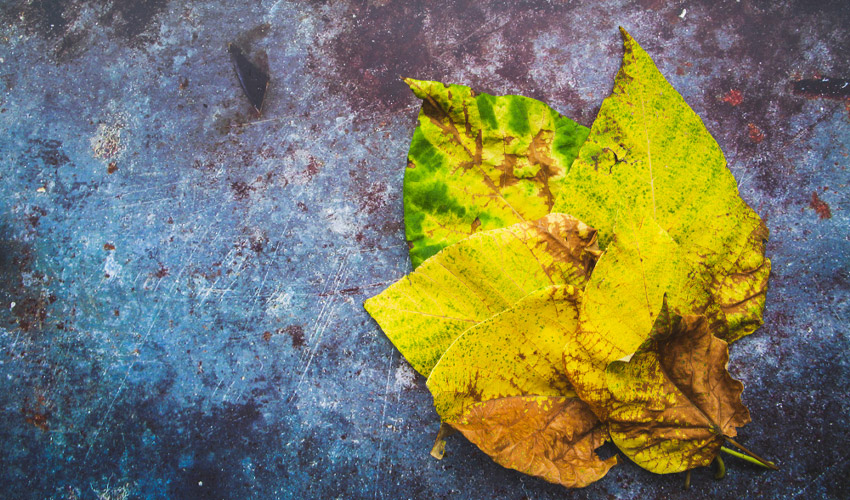
Rust diseases are among the most common fungal problems in garden plants. While rust fungus rarely kills plants outright, it can make them look unhealthy and unattractive. More importantly, it spreads fast and can seriously harm leaves, fruits, and vegetables. In heavy infections, rust causes leaves to turn yellow, weaken, and cause leaf drop.
Table of Contents
ToggleWhat is Rust Disease?
Rust on plants is one of the most common fungal diseases that affects many plants in flower and home gardens. It often appears as bright red, orange, yellow, or brown patches that quickly catch the eye and diminish a plant’s visual appeal.
In most cases, rust does not seriously harm a plant’s overall health. However, some highly sensitive plants can suffer heavy damage when the infection becomes severe. When this happens, replace those plants with more resistant varieties for a long-term solution.
What Causes Rust?
A fungal parasite causes rust disease, and it survives only on living plants. The disease develops most easily in mild and damp conditions. Rust spreads through tiny spores that move from infected plants to healthy ones. Wind and water carry these spores, which explains why rust often spreads after watering. Moist leaf surfaces also help the fungus infect plants more easily.
Rust Identification
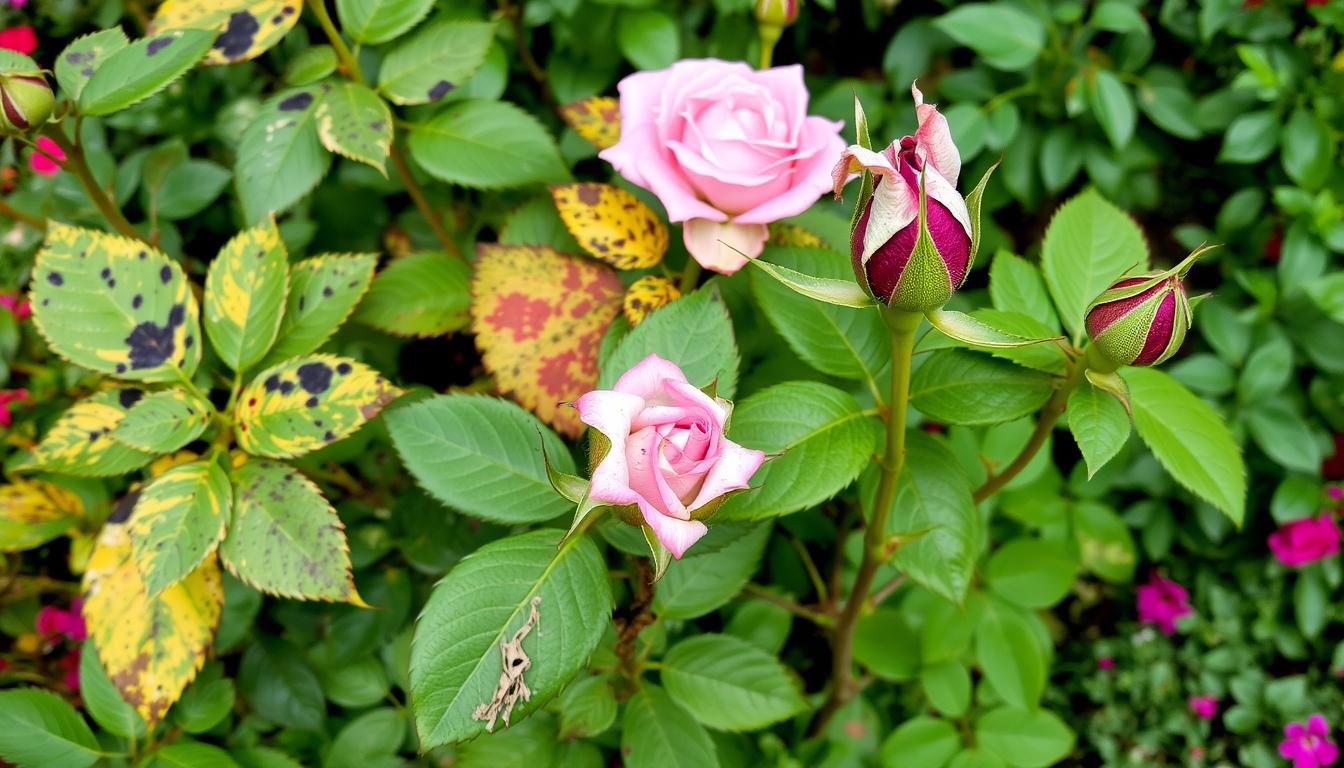
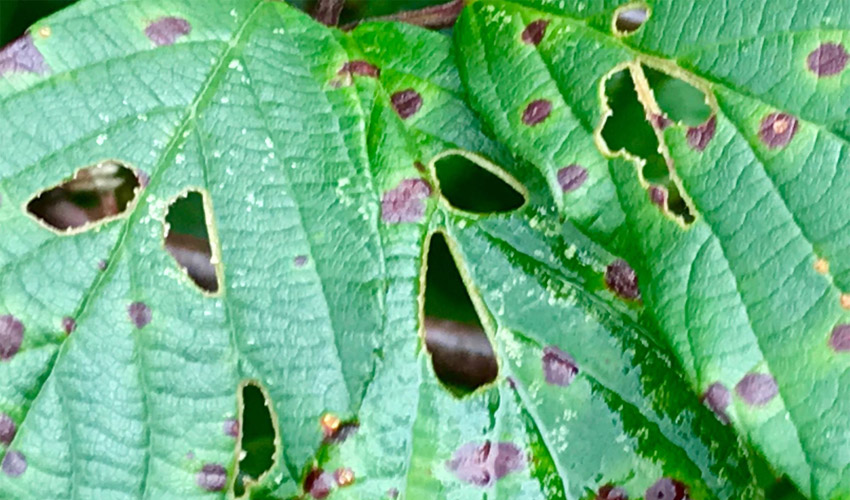
As the name implies, many rust infections appear as orange-colored markings on plants, ranging from small spots to uneven patches to slightly raised bumps. Rust spots on leaves can vary in color, ranging from bright yellow to deep brown. As the infection progresses and the seasons move from spring into autumn, these spots often become darker.
Rust on plants mainly affects leaves, but it can also spread to stems in some cases.
Rust Symptoms
You may notice the following signs when rust disease affects a plant:
- Pale spots appear on leaves and later turn into spore-producing bumps known as pustules.
- These pustules usually form on the underside of leaves and release large numbers of microscopic spores.
- Pustules vary in color and may look orange, yellow, brown, black, or white. Many appear rusty brown, which gives the disease its name.
- A single leaf can develop dozens of pustules in more serious infections.
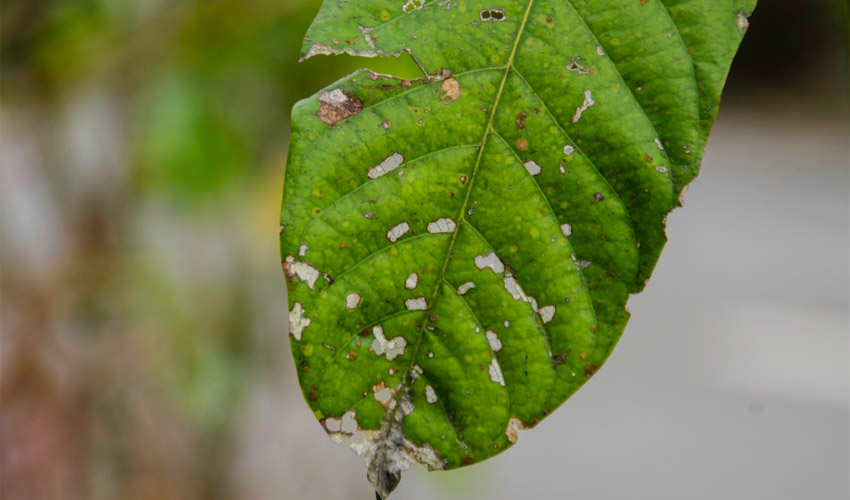
- Heavily infected leaves often turn yellow and drop earlier than normal.
- Pustules can also develop on leaf stalks (petioles), stems, and occasionally on flowers and fruits.
- Severe infections weaken the plant and reduce its growth. In extreme cases, the disease can cause plant death.
Rust Control
Effective rust control starts with prevention. Good gardening practices help reduce the risk of pests, diseases, and weeds before they become a problem. Choosing resistant plant varieties, maintaining proper garden hygiene, and supporting natural predators all play a key role in managing rust disease.
If chemical treatments become necessary, use them sparingly and apply them only to affected areas.
Organic Control
You can manage rust disease naturally by focusing on simple, plant-friendly practices. While specific plants may need tailored care, these general methods work well in most gardens:
- Remove infected leaves as soon as you spot them, but only if a small number of leaves show symptoms. Stripping too many leaves can stress the plant and slow recovery.
- Support healthy, steady growth by improving soil conditions, but avoid using too much nitrogen fertilizer. Excess nitrogen encourages soft, tender growth that rust fungus easily attacks.
- You can compost rust-affected leaves in spring and early summer, as spores produced during this time usually die during proper home composting, especially when the material entirely breaks down.
- In late summer and autumn, some rust fungi create tough overwintering spores, particularly on deciduous plants. These spores survive composting more easily, so it’s better to discard infected plant material through other disposal methods during this period.
- Choose rust-resistant plant varieties when available, keeping in mind that fungal strains can sometimes adapt and overcome resistance over time.
- In certain situations, treatment may not be necessary. For instance, many rust diseases on trees appear late in the season and rarely affect plant strength, even if the foliage turns yellow or orange.
Fungicides
Home gardeners rarely need fungicides to control rust disease. Use them only for valuable plants that you cannot replace and that suffer from repeated, severe rust problems.
- Apply fungicides early in the growing season to healthy, green plant tissue before the disease appears.
- Check the lower leaves of plants with a history of rust at least once a week. As soon as you notice the first spots, remove the infected leaves and begin spraying to protect unaffected growth.
- Continue applications throughout the season if needed, and always follow the product label instructions.
- Fungicides do not heal existing rust damage or remove visible spots. Once most leaves show symptoms, treatment will no longer be effective.
- Products containing myclobutanil or azoxystrobin offer the strongest control against rust fungi.
- Fungicides with chlorothalonil or thiophanate-methyl provide partial protection but may not fully control the disease.
How to Prevent Rust Disease?
You can reduce the risk of rust disease by following good gardening habits and rotating crops where possible. Simple preventive steps make a big difference:
- Clear away fallen leaves and plant debris from around susceptible plants, especially before winter, as rust fungus survives on leftover material.
- Grow leeks and other onion-family crops in a new spot each year to break the disease cycle.
- Keep plants healthy and stress-free, but avoid high-nitrogen fertilizers on plants prone to rust. Excess nitrogen causes soft growth, making infections spread more easily. Using high-potash feeds helps strengthen plants and improve resistance.
- Space plants properly to improve airflow, since rust develops faster in damp, poorly ventilated conditions.
- Remove weeds that can host rust fungi. For example, willow herb can carry fuchsia rust, while wild mallow can support hollyhock rust.
- Reduce leaf rust on fruit trees, such as plums, by avoiding rust-prone varieties and by not planting anemones nearby, as they are linked to plum rust.